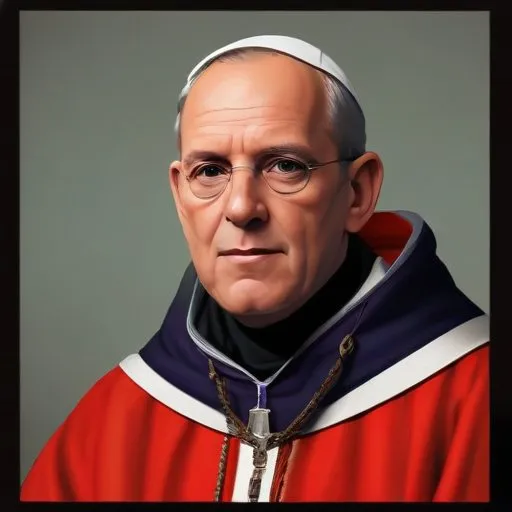
Keith Sutton: A Life of Faith and Service
The 97th Bishop of Lichfield
Keith Norman Sutton, the 97th Bishop of Lichfield, was a prominent figure in the Anglican Church, serving from 1984 to 2003. He was known for his tireless efforts in promoting social justice, human rights, and ecumenism, earning him respect and admiration from across the globe.
Early Life and Education
Born on June 23, 1934, in Balham, London, Sutton grew up in a family that instilled in him the importance of faith and education. He attended Battersea Grammar School, where he excelled academically and athletically, becoming a national schoolboy sprint champion. He won a scholarship to Cambridge University, where he initially read English but later switched to theology. Sutton graduated from Jesus College, Cambridge, in 1959. Before attending university, he did his national service with the British Army, where he was commissioned into the Sixth Armoured Division and spent time primarily in Germany.
Ministry and Career Highlights
Sutton was ordained at Exeter Cathedral and served as a curate in Plymouth. His dedication to his faith and his community led him to various roles, including principal of Ridley Hall from 1973 to 1978, and Bishop of Kingston from 1978 to 1984. He taught at Bishop Tucker Theological College in Mukono, Uganda, from 1968 to 1973, and later became chaplain of St John's College, Cambridge, from 1962 to 1967. In 1989, he became a member of the General Synod Standing Committee and president of The Queen's College in Birmingham.
Humanitarian Work
In July 1985, Sutton was sent by the Archbishop of Canterbury as a special envoy to support Archbishop
Desmond Tutu, who was facing threats of action by the South African government. This courageous act demonstrated Sutton's commitment to promoting human rights and social justice.
Personal Life and Family
Sutton was married to Jean Sutton (née Geldard) until her passing in September 2000. They had three sons, Mark, Paul, and Andrew, and one daughter, Jacqui. After his retirement, Sutton lived in Cornwall, where he served as an honorary assistant bishop in the dioceses of Truro and Exeter.
Legacy and Impact
Sutton's contributions to the Anglican Church and society at large are immeasurable. He wrote a Lent book, "The People of God" (1983), which reflected his deep understanding of theology and his ability to communicate complex ideas in an accessible manner. His tireless efforts in promoting ecumenism, human rights, and social justice have inspired generations of clergy and laity alike.
- awards and honors: Notably, Sutton was a Cambridge Blue at tennis, a testament to his athletic prowess.
- Personal milestones: Sutton's commitment to his faith and community led him to serve in various capacities, from curate to bishop, and his humanitarian work in South Africa.
- Inspirational stories and motivations: Sutton's courage in standing up against injustice, as seen in his support for Archbishop Desmond Tutu, serves as an inspiration to people of all faiths.
Keith Sutton's life was a testament to his unwavering commitment to his faith, his community, and humanity. His legacy continues to inspire and motivate people to work towards a more just and equitable world.