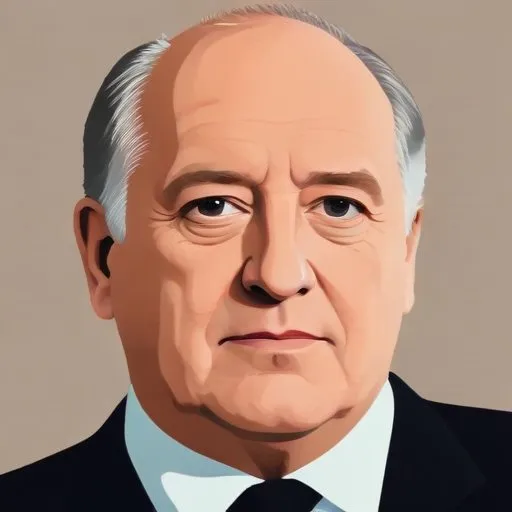
Kelvin MacKenzie: The Media Maverick Who Shaped British Journalism
A Iconic Editor and Controversial Figure
Kelvin MacKenzie is an English media executive and former newspaper editor, best known for his tenure as the editor of
The Sun, where he cemented the paper's image as a right-wing tabloid and propelled it to become Britain's largest circulation newspaper. During his 13-year reign, MacKenzie's bold headlines, unapologetic journalism, and charismatic leadership transformed the publishing industry, earning him both admiration and criticism.
Early Life and Career
Born on October 22, 1946, in Thanet, Kent, MacKenzie was destined for a life in journalism. His parents, Ian and Mary MacKenzie, were both journalists working for
The South London Observer. After completing his education at Alleyn's School in Dulwich, MacKenzie began his career in journalism at 17, joining the
South East London Mercury. He quickly rose through the ranks, working on local and national newspapers, including the
Daily Express, for the next decade.
Rise to Prominence
By 1978, at the age of 32, MacKenzie had become the managing editor of the
New York Post, two years after its purchase by media mogul
Rupert Murdoch. This experience laid the foundation for his future success as the editor of
The Sun, where he applied his unique blend of showmanship, editorial flair, and business acumen to propel the paper to unprecedented heights.
Controversies and Public Perception
MacKenzie's tenure at
The Sun was marked by controversy, with critics accusing him of sensationalism, bias, and disrespect for authority. His paper's coverage of the Hillsborough football stadium disaster in 1989, in which 96 people died, sparked widespread outrage and allegations of victim-blaming. MacKenzie's unapologetic stance and refusal to apologize for the paper's actions further polarized public opinion.
Post-Sun Career and Legacy
After leaving
The Sun in 1994, MacKenzie went on to hold executive roles in satellite television and other broadcasting outlets. He also engaged in various publishing enterprises, before returning to
The Sun as a columnist in the 2000s. In May 2017, his contract was terminated by mutual consent following a suspension, marking the end of his association with the paper.
Philosophical Contributions and Beliefs
Throughout his career, MacKenzie has been unapologetic about his right-wing leanings and commitment to popular journalism. He has argued that newspapers should reflect the views of their readers, rather than attempting to shape public opinion. This philosophy has influenced generations of journalists and media executives, shaping the British media landscape.
Influence on Modern Society
MacKenzie's impact on British journalism and popular culture is undeniable. His innovative approach to headline writing, page design, and editorial direction has been adopted by newspapers worldwide. His influence extends beyond the media industry, with his forthright style and unapologetic attitude inspiring entrepreneurs, politicians, and public figures.
Personal Milestones and Key Life Events
- 1946: Born on October 22nd in Thanet, Kent
- 1978: Became managing editor of the New York Post
- 1981: Appointed editor of The Sun
- 1994: Left The Sun to pursue other ventures
- 2000s: Returned to The Sun as a columnist
- 2017: Contract terminated by mutual consent
Trivia and Fun Facts
- MacKenzie's parents were both journalists, and his mother was press chief for the Conservative leader of the Greater London Council, Horace Cutler.
- He has only one O-level in English literature.
- MacKenzie has said that he discovered early on in his career that he had little writing ability, but excelled at making up headlines and laying out pages.
Awards and Honors
While MacKenzie has not received any formal awards, his impact on British journalism and popular culture has earned him a place in the history books. His legacy continues to inspire and provoke, ensuring that his influence will be felt for generations to come.
FAQ
What are Kelvin MacKenzies most notable journalistic accomplishments?
Kelvin MacKenzie, a renowned English journalist, is best known for his tenure as the editor of The Sun newspaper from 1981 to 1994. During his editorship, he oversaw the publications rise to become one of the UKs top-selling newspapers, and was instrumental in shaping its provocative and sensationalist style.
What controversy did Kelvin MacKenzie face during his editorship of The Sun?
MacKenzie faced intense criticism and controversy in 1989 when The Sun published inaccurate and misleading reports on the Hillsborough disaster, a tragic event in which 96 football fans died. The papers coverage sparked widespread outrage and calls for boycotts.
What awards has Kelvin MacKenzie won for his journalism?
MacKenzie has won several awards for his journalism, including the British Press Awards Editor of the Year award in 1985. He has also been recognized for his contributions to the newspaper industry, including being appointed an Officer of the Order of the British Empire (OBE) in 1991.
What is Kelvin MacKenzies stance on press regulation?
MacKenzie has been a vocal critic of press regulation, advocating for a free press and opposing stricter controls on the media. He has spoken out against the Leveson Inquiry and the implementation of the Royal Charter on press regulation, arguing that they threaten press freedom.
What has Kelvin MacKenzie done since leaving The Sun?
After leaving The Sun in 1994, MacKenzie went on to pursue other ventures, including television presenting and radio broadcasting. He has also written several books, including his memoir, The MacKenzie Era, and has remained a prominent figure in the media industry, offering commentary and analysis on current events.