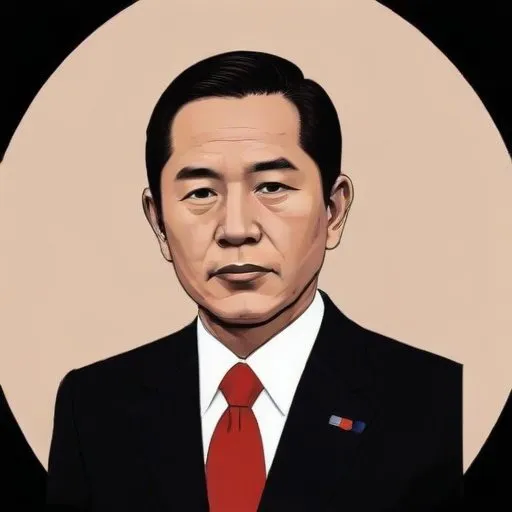
Kiichi Miyazawa: The Visionary Leader Behind Japan's Economic Rise
The Prime Minister Who Shaped Japan's Future
Kiichi Miyazawa, the 78th Prime Minister of Japan, is revered for his instrumental role in shaping the country's economic landscape. As a stalwart politician, he served as Prime Minister from 1991 to 1993, leaving an indelible mark on Japan's modern history.
A Life of Public Service
Born on October 8, 1919, in Fukuyama, Hiroshima, Miyazawa hailed from a wealthy, politically active family. His father, Yutaka Miyazawa, was a member of the Diet, and his mother, Koto, was the daughter of Ogawa Heikichi, a prominent politician who served as Minister of Justice and Minister of Railways. This environment instilled in him a strong sense of public service and set the stage for his future endeavors.
Rise to Prominence
After graduating from the Faculty of Law, Imperial University of Tokyo, Miyazawa joined the Ministry of Finance in 1942, avoiding military service during World War II. His association with future Prime Minister
Hayato Ikeda began during this period, with Ikeda becoming his mentor. In 1953, Miyazawa successfully ran for election to the Upper House of the National Diet, marking the beginning of his illustrious political career.
A Man of Vision and Action
As a key figure in Ikeda's Kōchikai policy group, Miyazawa played a crucial role in shaping Japan's economic policies. He held various important government posts, including Director of the Economic Planning Agency (1962-1964 and 1966-1968) and Minister of International Trade and Industry (1970-1971). His exceptional language skills made him an indispensable asset, as evidenced by his role as Ikeda's sole translator during the historic yacht talks with U.S. President
John F. Kennedy in 1961.
Prime Ministerial Tenure and Legacy
Miyazawa's prime ministerial tenure (1991-1993) was marked by significant economic reforms. He implemented the Domestic Demand Expansion Policy, aimed at stimulating Japan's economy, and played a key role in the Uruguay Round of GATT (General Agreement on Tariffs and Trade) talks. His efforts to address Japan's fiscal woes and spur economic growth earned him recognition as a visionary leader.
Personal Milestones and Key Life Events
- 1942: Joined the Ministry of Finance
- 1953: Elected to the Upper House of the National Diet
- 1961: Accompanied Ikeda to a summit meeting with U.S. President John F. Kennedy
- 1970-1971: Minister of International Trade and Industry
- 1991-1993: Prime Minister of Japan
Philosophical Contributions and Beliefs
Miyazawa's commitment to Japan's economic development was rooted in his strong belief in the importance of international cooperation and free trade. He advocated for a more open and liberalized economy, recognizing the need for Japan to adapt to changing global circumstances.
Influence on Modern Society
Kiichi Miyazawa's enduring legacy extends beyond his political achievements. He inspired a generation of Japanese politicians and policymakers, leaving an indelible mark on the country's economic landscape. His vision for Japan's economic growth continues to shape the nation's development, making him an iconic figure in Japanese politics.
Career Highlights and Major Works
- Director of the Economic Planning Agency (1962-1964 and 1966-1968)
- Minister of International Trade and Industry (1970-1971)
- Minister of Foreign Affairs (1974-1976)
- Prime Minister of Japan (1991-1993)
Awards and Honors
Miyazawa received numerous accolades for his contributions to Japanese politics and economics, including:
- Grand Cordon of the Order of the Rising Sun
- Grand Cordon of the Order of the Paulownia Flowers
Personal Relationships and Anecdotes
Miyazawa's association with Hayato Ikeda was instrumental in shaping his political career. Ikeda's mentorship and guidance played a significant role in Miyazawa's rise to prominence.
Impact on Pop Culture
Miyazawa's influence extends beyond the realm of politics. He has been referenced in various Japanese media, including films, television dramas, and literature, serving as a symbol of Japan's economic prosperity.
Legacy and Historical Context
Kiichi Miyazawa's remarkable life and achievements have secured his place in Japanese history. As a visionary leader, he navigated the complexities of post-war Japan, charting a course for economic growth and development. His commitment to international cooperation and free trade continues to inspire generations of policymakers and politicians.
In Memoriam
Kiichi Miyazawa passed away on June 28, 2007, leaving behind a rich legacy that continues to shape Japan's economic landscape. His contributions to the nation's development will forever be remembered as a testament to his dedication to public service and his unwavering commitment to Japan's prosperity.