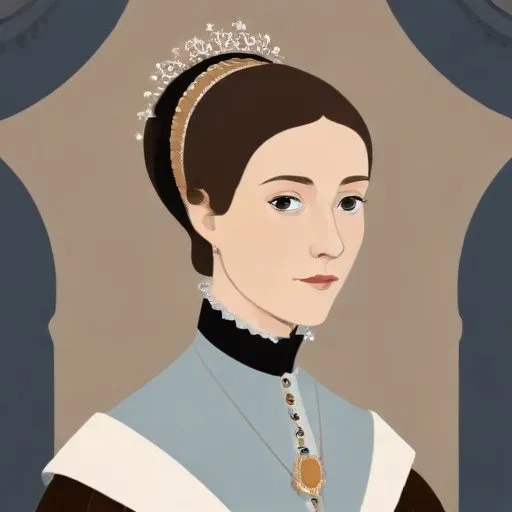
Lady Lucy Whitmore: The Pioneering Hymn Writer and Noblewoman
Lady Lucy Whitmore was a renowned English noblewoman and hymn writer, best known for her original hymns and contributions to the world of Christian music. Her most famous hymn, "Father, again in Jesus' name we meet," remains a staple in many Christian collections to this day.
Early Life and Family
Born Lucy Elizabeth Georgiana Bridgeman on January 22, 1792, she was the only daughter of Orlando Bridgeman, 1st Earl of Bradford, and Lucy Elizabeth Byng, the eldest daughter of George Byng, 4th Viscount Torrington. She had four brothers, including George Bridgeman, 2nd Earl of Bradford, Vice-Admiral the Hon. Charles Orlando Bridgeman, Hon. Orlando Henry Bridgeman, and Reverend Hon. Henry Edmund Bridgeman.
Marriage and Literary Pursuits
On January 29, 1810, Lady Lucy married William Wolryche-Whitmore, of Dudmaston Hall, Shropshire. She went on to publish several works, including "Family Prayers for Every Day in the Week, Selected from Various Portions of the Holy Bible with References. To Which Are Added, a Few Prayers for Persons in Private," which featured fourteen original hymns. The second edition, released in 1827, solidified her reputation as a prominent hymn writer of her time.
Notable Works and Contributions
- "Family Prayers for Every Day in the Week" (1824) - a collection of prayers and hymns for daily use
- Sunday Reading for Very Little Boys and Girls (1832) - a collection of Sunday school materials
- Morning and Evening Prayers (1869) - a collection of prayers for daily devotion
Legacy and Impact
Lady Lucy Whitmore's hymns and writings have had a lasting impact on Christian music and literature. Her legacy continues to inspire generations of hymn writers and worship leaders. Her friendship with Lady Louisa Cadogan, a prominent figure in British society, is also a testament to her influence and connections.
Personal Life and Later Years
Lady Lucy Whitmore passed away on March 17, 1840, and was buried at Quatt. Her life was marked by her devotion to her faith, her family, and her literary pursuits.
Trivia and Fun Facts
- Lady Lucy Whitmore was a member of the noble Bridgeman family, with connections to the British aristocracy.
- Her hymn "Father, again in Jesus' name we meet" was a staple in many Christian collections, even towards the end of the 19th century.
Lady Lucy Whitmore's remarkable life and contributions continue to inspire and influence generations of Christians and music lovers alike.
FAQ
What was Lady Lucy Whitmores contribution to English hymnody?
Lady Lucy Whitmore was a prolific hymn writer and poet who made significant contributions to English hymnody. Her hymns, characterized by their simplicity, beauty, and devotion, were widely used in Anglican worship services and remain popular to this day.
How did Whitmores hymns reflect her personal faith?
Lady Lucy Whitmores hymns reflected her deep personal faith and her commitment to the Anglican Church. Her works often expressed themes of redemption, forgiveness, and trust in God, offering comfort and inspiration to generations of worshipers.
What was Whitmores role in promoting womens writing?
Lady Lucy Whitmore was an early advocate for womens writing and played a significant role in promoting feminine voices in literature and hymnody. Her own success as a hymn writer helped to pave the way for later generations of female writers and poets.
How did Whitmores hymns influence the development of Anglican worship?
Lady Lucy Whitmores hymns had a profound impact on the development of Anglican worship, helping to shape the liturgical practices and musical traditions of the Church of England. Her works remain an integral part of Anglican worship services to this day.
What is Whitmores legacy in English literature?
Lady Lucy Whitmores legacy lies in her contributions to English hymnody and her promotion of womens writing. Her hymns continue to inspire and uplift worshipers around the world, ensuring her place as a cherished figure in English literary history.