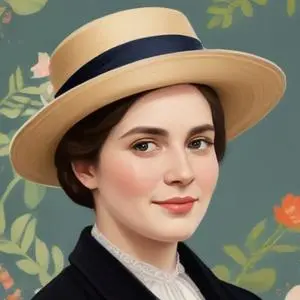
Josephine Butler: The Unyielding Champion of Women's Rights and Social Justice
A Fearless Advocate for the Oppressed
Josephine Butler, a trailblazing English feminist and social reformer, dedicated her life to eradicating the injustices faced by women and children in the Victorian era. She is best known for her tireless efforts to abolish the Contagious Diseases Acts, combat child prostitution, and promote women's suffrage, leaving an indelible mark on the fight for human rights.
Early Life and Influences
Born on April 13, 1828, into a progressive family, Butler was instilled with a strong social conscience and a deep sense of religious ideals. Her marriage to George Butler, an Anglican divine and schoolmaster, further solidified her commitment to helping others. The tragic loss of her daughter Eva, who fell to her death from a banister, sparked a turning point in Butler's life, channeling her grief into a lifelong mission to improve the lives of others.
The Campaign for Women's Rights
Butler's advocacy for women's rights took center stage when she became involved in the campaign to repeal the Contagious Diseases Acts in 1869. These Acts, aimed at controlling the spread of venereal diseases, authorized the forced medical examination of alleged prostitutes, which Butler passionately denounced as "surgical or steel rape." Through her unwavering dedication, the Acts were finally repealed in 1886, a monumental victory for women's rights.
Fighting Child Prostitution and Human Trafficking
As Butler delved deeper into the effects of the Contagious Diseases Acts, she was horrified to discover the rampant child prostitution and human trafficking of young women and children from England to the continent. This revelation spurred her to launch a crusade against these atrocities, resulting in the removal from office of the head of the Belgian Police des Mœurs, the trial and imprisonment of his deputy, and 12 brothel owners complicit in the trade.
International Abolitionist Federation and Beyond
Butler's unwavering commitment to eradicating these injustices led her to establish the International Abolitionist Federation, a pan-European organization dedicated to combating similar systems across the continent. Her work transcended borders, fostering collaboration and inspiring like-minded individuals to join the fight against human trafficking and prostitution.
A Lasting Legacy
Josephine Butler's remarkable life serves as a testament to the power of unwavering dedication and unrelenting passion. Through her courageous efforts, she paved the way for future generations of feminists, social reformers, and human rights activists. As we reflect on her remarkable journey, we are reminded that the fight for social justice is ongoing, and Butler's pioneering spirit continues to inspire and motivate us to strive for a better world.
Personal Quotes and Memorable Sayings
- "The poorest and most wretched of women are those who are most heavily handicapped by the unjust laws and customs of society."
- "The moral law is the same for men and women, and the only safe way is to act as if it were the same."
Historical Context and Legacy
Josephine Butler's unyielding commitment to social justice and her groundbreaking work in the fight against human trafficking and prostitution have left an indelible mark on history. Her courageous efforts have inspired countless individuals to continue the fight for human rights, and her legacy serves as a beacon of hope for a brighter, more just future.
FAQ
What was Josephine Butlers role in the womens suffrage movement?
Josephine Butler was a leading figure in the womens suffrage movement in the UK, advocating for womens right to vote and equal rights. She was a strong advocate for education and social reform.
How did Butlers work on social reform influence her advocacy for womens rights?
Butlers work on social reform, particularly her advocacy for the abolition of the Contagious Diseases Acts, informed her advocacy for womens rights and her commitment to challenging societal norms.
What were some of Josephine Butlers notable achievements as an activist?
Butler was a prolific writer and campaigner who founded several organizations dedicated to promoting womens rights and social reform. She was known for her eloquence and her ability to mobilize public support for her causes.
Where did Josephine Butler conduct her activism?
Butler conducted her activism in the UK, where she was an active member of the womens suffrage movement and worked to promote social reform and womens rights.
What is Josephine Butlers legacy in the history of feminism?
Butler is remembered as a pioneering feminist who played a key role in the development of the womens suffrage movement in the UK. Her legacy continues to inspire feminist activists and scholars to this day.