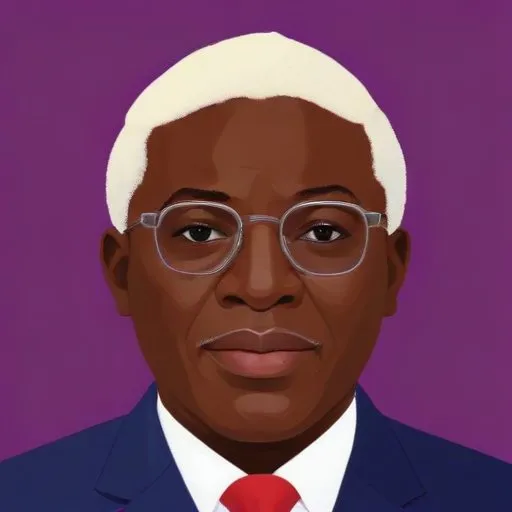
Lateef Jakande: A Nigerian Journalist and Politician of Unwavering Commitment
A Champion of Education and Development
Lateef Jakande is renowned for his remarkable tenure as the governor of Lagos State from 1979 to 1983, and later as the Minister of Works under the Sani Abacha military regime. He is celebrated for his groundbreaking initiatives in education, housing, and infrastructure development, which transformed the landscape of Lagos State and left an indelible mark on Nigerian politics.
Early Life and Career
Born on July 23, 1929, in the Epetedo area of Lagos Island, Lagos State, Jakande hails from Omu-Aran, Kwara State. He began his educational journey at Lagos public school at Enu-Owa, Lagos Island, and later attended Bunham Memorial Methodist School, Port Harcourt, and King's College, Lagos. His academic pursuits culminated in his role as the editor of a literary paper called The Quarterly Mirror at Ilesha Grammar School in 1945.
A Career in Journalism
Jakande's foray into journalism began in 1949 with the Daily Service, followed by his appointment as the editor-in-chief of the Nigerian Tribune in 1956 by Chief
Obafemi Awolowo. He later established John West Publications and began publishing The Lagos News, earning him the distinction of being the first President of the Newspaper Proprietors Association of Nigeria (NPAN).
Governor of Lagos State
Encouraged by Awolowo, Jakande contested and won the governorship election of Lagos State in 1979, running on the Unity Party of Nigeria platform. During his tenure, he implemented the party's cardinal policies, introducing housing and educational programs targeting the poor. His administration built new neighborhood primary and secondary schools, providing free primary and secondary education, which empowered many children from low-income backgrounds to excel in their chosen careers.
Legacy and Impact
Jakande's legacy extends far beyond his political career. He established the Lagos State University and the Nigerian Institute of Journalism, Lagos, both of which have become esteemed institutions in Nigeria. The Lagos House, named after the former governor, stands as a testament to his enduring impact on the state's development.
Awards and Honors
Jakande's contributions to Nigerian politics and journalism have been recognized with numerous awards and honors, including the conferment of the national honor of Commander of the Order of the Federal Republic (CFR) in 1982.
Personal Milestones and Key Life Events
- 1934-1943: Attended Bunham Memorial Methodist School, Port Harcourt
- 1943: Enrolled at King's College, Lagos
- 1945: Edited the literary paper, The Quarterly Mirror, at Ilesha Grammar School
- 1949: Began career in journalism with the Daily Service
- 1953: Joined the Nigerian Tribune
- 1956: Appointed editor-in-chief of the Nigerian Tribune
- 1975: Established John West Publications and began publishing The Lagos News
- 1979: Became the executive governor of Lagos State
Philosophical Contributions and Beliefs
Jakande's commitment to education, development, and the empowerment of the poor reflects his profound philosophical belief in the transformative power of human capital. His policies and initiatives were guided by the principle of inclusive growth, ensuring that the benefits of development reached the most vulnerable members of society.
Controversies and Public Perception
Jakande's tenure as governor was not without controversy, with some critics accusing him of authoritarianism and suppressing dissenting voices. However, his supporters argue that his firm stance was necessary to implement his bold vision for Lagos State.
Historical Context and Legacy
Lateef Jakande's remarkable journey serves as a testament to the power of visionary leadership, dedication, and commitment to the greater good. His legacy continues to inspire future generations of Nigerian leaders, journalists, and citizens, who strive to build on the foundations he laid.
FAQ
What was Lateef Jakandes most significant political achievement?
Lateef Jakandes most significant political achievement was his election as the Governor of Lagos State in 1979, during which he implemented a number of populist policies and projects.
How did Lateef Jakandes policies impact the people of Lagos State?
Lateef Jakandes policies impacted the people of Lagos State by providing free education, establishing a network of roads and infrastructure, and promoting housing development.
What was Lateef Jakandes approach to governance?
Lateef Jakandes approach to governance was characterized by his commitment to social welfare, his emphasis on grassroots development, and his willingness to listen to the needs of the people.
What awards did Lateef Jakande receive for his public service?
Lateef Jakande received several awards for his public service, including the Nigerian national honor of Commander of the Order of the Federal Republic.
How did Lateef Jakandes legacy shape the political landscape of Lagos State?
Lateef Jakandes legacy shaped the political landscape of Lagos State by establishing a precedent for populist governance, promoting grassroots development, and inspiring future generations of political leaders.