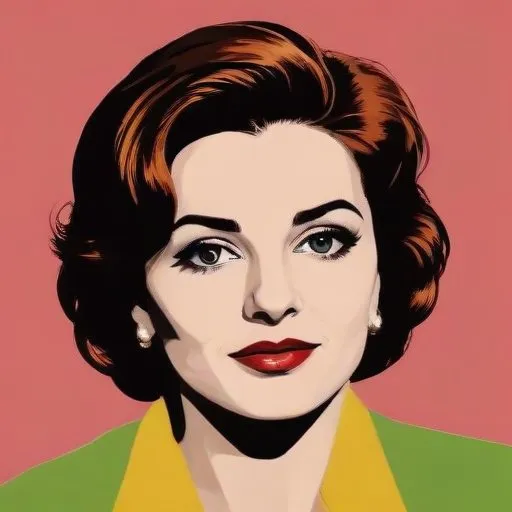
Laura Betti

Laura Betti

Laura Betti was born on May 1st, 1927

Full Name: Laura Betti
Place of Birth: Casalecchio di Reno, Italy
Profession: Actress
Nationality: Italian
Spouse: Umberto Orsini
Notable Roles: 1900, Teorema
Awards: Nastro dArgento
Active Years: 1960s-2004

Italian actress known for her bold, androgynous style and iconic roles in Federico Fellini's films, particularly in "La Dolce Vita" and "8 1/2".

Written by: Victor Malone Victor Malone

Laura Betti: The Iconic Actress of Italian Cinema

Laura Betti, born Laura Trombetti, was an Italian actress known for her provocative and unforgettable performances in films that challenged social norms and conventions. Her collaborations with acclaimed directors Federico Fellini, Pier Paolo Pasolini, and Bernardo Bertolucci cemented her status as a pioneering figure in Italian cinema.

Early Life and Career

Born on May 1, 1927, in Casalecchio di Reno, near Bologna, Italy, Betti grew up with a passion for singing and became a professional jazz singer before transitioning to film. Her move to Rome marked the beginning of her acting career, which would span over three decades and multiple genres.

Film Career and Collaborations

Betti's film debut in Fellini's (1960) set the tone for her subsequent collaborations with Pasolini and Bertolucci. Her portrayal of Emilia in Pasolini's (1968) earned her the Volpi Cup for Best Actress, solidifying her reputation as a talented and fearless actress.

Her work with Pasolini continued in films such as (1963), (1972), and the controversial (1975). Betti's performance as Regina in Bertolucci's (1976) showcased her ability to play complex, multifaceted characters.

Literary and Political Pursuits

In addition to her film career, Betti was deeply involved in literature and politics. She became a muse for prominent Italian intellectuals and writers, embodying the revolutionary and Marxist spirit of 1970s Italy.

Personal Life and Documentary

Betti's close friendship with Pasolini inspired her to create a documentary about his life, , in 2001. This tribute to her mentor and friend demonstrated her dedication to preserving the legacy of Italian cinema.

Legacy and Impact

Laura Betti's contributions to Italian cinema have left an indelible mark on the industry. Her fearlessness in tackling provocative roles and her commitment to artistic expression continue to inspire generations of actors and filmmakers.

Betti passed away on July 31, 2004, leaving behind a body of work that remains a testament to her unwavering passion for art and social commentary.

Awards and Honors

Notable Films

Timeline
1927
Born in Casalecchio
Laura Betti was born on May 1, 1927, in Casalecchio di Reno, Emilia-Romagna, Italy. She would go on to become a renowned Italian actress.
1960
Film Debut
Betti made her film debut in 1960, starting a long and successful career in Italian cinema.
1977
Collaboration with Fellini
Betti began collaborating with famous Italian director Federico Fellini, starring in several of his films.
1985
Won Nastro dArgento Award
Betti won the Nastro dArgento Award for Best Supporting Actress for her role in the film Flirt.
2004
Passed Away
Laura Betti passed away on July 1, 2004, at the age of 77, leaving behind a legacy in Italian cinema.
Laura Betti

Laura Betti Quiz

Laura Betti was known for her bold and iconic style, which can be described as

Score: 0/5
FAQ
What were Laura Bettis most notable film roles?
Laura Betti was a prolific Italian actress who appeared in over 100 films, including notable roles in Federico Fellinis 8 1/2 and La Dolce Vita, as well as Michelangelo Antonionis La Notte and LEclisse.
What was Laura Bettis relationship with Federico Fellini?
Laura Betti had a close personal and professional relationship with Federico Fellini, appearing in several of his films and serving as a muse and confidante to the renowned director.
What awards did Laura Betti receive for her acting?
Laura Betti received several awards for her acting, including the Nastro dArgento for Best Supporting Actress and the David di Donatello for Best Actress, recognizing her contributions to Italian cinema.
How did Laura Bettis acting style influence Italian neorealism?
Laura Bettis acting style, which combined subtlety and intensity, helped shape the aesthetic of Italian neorealism, a film movement that emphasized social realism and everyday life.
What is Laura Bettis legacy in Italian cinema?
Laura Bettis legacy in Italian cinema is as a talented and versatile actress who worked with many prominent directors and helped define the style and tone of Italian neorealism.

Related People:

Federico Fellini

Born in 1920

Visionary filmmaker behind surreal, poetic, and deeply personal cinematic masterpieces that blur the lines between reality and fantasy.

Marcello Mastroianni

Born in 1924

A renowned actor and singer, starring in over 150 films, including iconic Italian neorealist classics and international productions, earning him numerous awards and nominations.

Giulietta Masina

Born in 1921

An iconic Italian actress, known for her expressive face and poignant performances in neorealist films, particularly in Federico Fellini's classics like "La Strada" and "Nights of Cabiria".

Anita Ekberg

95 Years Old

A stunning Swedish-Italian model and actress who gained international fame for her iconic roles in Federico Fellini's films, particularly in "La Dolce Vita". She's a symbol of 1960s glamour and sensuality.

Alain Delon

91 Years Old

Romy Schneider

88 Years Old

A German-French actress who captivated audiences with her striking beauty and nuanced performances in films like "Sissi" and "Ludwig," earning her a lasting legacy in European cinema.

Claudia Cardinale

88 Years Old

A iconic Italian actress who dazzled audiences with her stunning beauty and captivating performances in over 140 films, including classic spaghetti westerns and critically acclaimed dramas.

Vittorio Gassman

Born in 1922

A renowned Italian actor, director, and screenwriter who brought complexity and nuance to his characters, starring in over 100 films and winning numerous awards. He's a cultural icon in Italy, symbolizing the country's cinematic golden age.