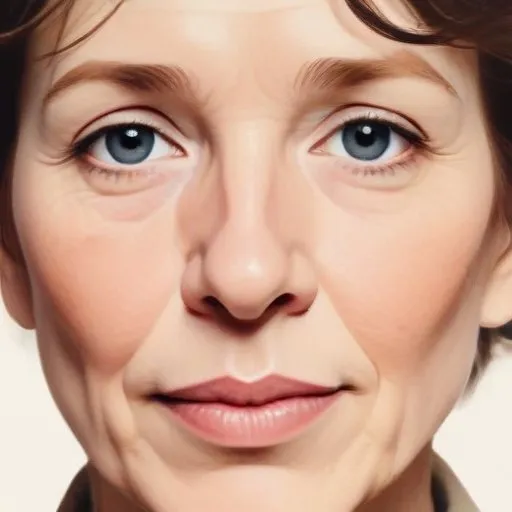
Laurie Lee: The Poetic Master of Autobiographical Storytelling
The Cider with Rosie Trilogy: A Window into Lee's Life
Laurie Lee is best known for his poignant and evocative autobiographical trilogy, which has become a staple of English literature. The trilogy, comprised of
Cider with Rosie (1959),
As I Walked Out One Midsummer Morning (1969), and
A Moment of War (1991), offers a deeply personal and introspective look into Lee's life, from his idyllic childhood in the Slad Valley to his experiences in the Spanish Civil War.
A Life of Poetry and Prose
Born on June 26, 1914, in Stroud, Gloucestershire, Lee's early life was marked by a strong connection to his mother and a turbulent relationship with his father, who left the family after World War I. This complex family dynamic would later influence his writing, particularly in his portrayal of his childhood in
Cider with Rosie. Lee's love for poetry and literature was evident from an early age, and he began writing his own poetry and stories as a teenager.
The Slad Valley: A Haven of Inspiration
Lee's childhood in the Slad Valley, surrounded by the rolling hills and lush countryside of Gloucestershire, had a profound impact on his writing. The valley's natural beauty and the people who inhabited it feature prominently in his work, particularly in
Cider with Rosie, which is a vivid and nostalgic portrayal of his early years.
A Life of Adventure and War
As Lee grew older, his restless spirit led him to leave the Slad Valley and explore the world beyond. He traveled to London, where he became involved in the artistic and literary circles of the 1930s. In 1935, he made his first trip to Spain, which would become a defining experience in his life. He returned to Spain in 1937 to join the Republican International Brigades, fighting in the Spanish Civil War. This experience would later be chronicled in
A Moment of War.
Literary Legacy
Lee's writing is characterized by its lyricism, depth, and emotional intensity. His work has been praised for its ability to evoke a sense of time and place, and his poetry and prose have been widely anthologized and studied. The Cider with Rosie trilogy has been translated into numerous languages and has become a classic of English literature.
Personal Life and Relationships
Lee's personal life was marked by intense relationships and friendships. He was close to his brother Jack, who would later become a film director, although the two would fall out in later life. He also had a strong bond with his mother, Annie, who figures prominently in
Cider with Rosie. Lee's relationships with women, including his marriage to Kathy, were often intense and passionate, and would later influence his writing.
Later Life and Legacy
Lee continued to write until his death on May 13, 1997. His legacy as a poet, novelist, and screenwriter has endured, and his work remains widely read and studied. The Cider with Rosie trilogy has been adapted into numerous film and television productions, and his poetry and prose continue to inspire new generations of writers and readers.
Quotes and Memorable Sayings
- "I was set down from the carrier's cart at the age of three; and there with a sense of bewilderment and terror my life in the village began."
- "The silence was so profound that I could hear the sound of my own footsteps on the path."
Lee's writing is a testament to his unique voice and perspective, and his legacy continues to inspire and captivate readers to this day.
FAQ
What was Laurie Lees literary style?
Laurie Lee was an English author and poet known for his lyrical and evocative writing style, which often explored themes of nature, childhood, and the human experience.
What was Laurie Lees most famous work?
Laurie Lees most famous work is the autobiographical novel Cider with Rosie, which recounts his idyllic childhood in rural Gloucestershire and has become a classic of English literature.
How did Laurie Lees experiences influence his writing?
Laurie Lees experiences as a village boy, a traveler, and a soldier during the Spanish Civil War greatly influenced his writing, which often drew on memories of his childhood and his observations of the natural world.
What was Laurie Lees role in the Spanish Civil War?
Laurie Lee fought on the Republican side during the Spanish Civil War, an experience that had a profound impact on his life and writing, and which he wrote about in his memoir A Moment of War.
What awards did Laurie Lee win?
Laurie Lee won several awards, including the Atlantic Monthly Prize and the Duff Cooper Prize, for his literary contributions, which include poetry, novels, and memoirs.