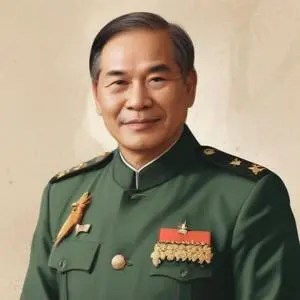
Lê Đức Thọ: The Unyielding Hammer of Vietnamese Revolution
Joint Nobel Peace Prize Winner and Vietnamese National Hero
Lê Đức Thọ, born Phan Đình Khiêm, was a Vietnamese revolutionary general, diplomat, and politician who etched his name in history as the first Asian to be awarded the Nobel Peace Prize in 1973, jointly with US Secretary of State
Henry Kissinger. However, Thọ refused the award, citing the ongoing conflict in Vietnam and the lack of genuine peace.
Thọ's life was a testament to his unyielding commitment to Vietnamese independence and his dedication to the cause of communism. His nickname, "The Hammer," was a reflection of his severity and unwavering resolve.
Early Life and Nationalist Awakening
Born on October 14, 1911, in Nam Định Province, Thọ grew up in a time of French colonial rule in Vietnam. As a teenager, he became active in Vietnamese nationalism, which led to his imprisonment in French colonial prisons. This experience hardened him and shaped his worldview.
Thọ's early life in prison played a significant role in shaping his views on French colonialism and its impact on Vietnamese society. He spent much of his adolescence in prison, where he was exposed to the harsh realities of French rule and the struggles of the Vietnamese people.
Fighting for Independence and Communism
In 1930, Thọ helped found the Indochinese Communist Party, which marked the beginning of his journey as a communist revolutionary. He was imprisoned by the French from 1930 to 1936 and again from 1939 to 1944.
During his time in the notorious "tiger cage" cells on Poulo Condore Island, Thọ studied literature, science, and foreign languages with other Vietnamese communist prisoners. This experience deepened his understanding of French culture, and he paid homage to it by participating in Molière plays with his fellow prisoners.
Leadership and Legacy
After his release in 1945, Thọ joined the Viet Minh, the Vietnamese independence movement, and played a crucial role in the fight against French colonialism. The Geneva Accords of 1954 marked a significant milestone in Vietnam's struggle for independence. Thọ later became a key figure in the Lao Dong Politburo of the Vietnam Workers' Party, now the Communist Party of Vietnam.
In 1963, Thọ supported the communist insurgency against the South Vietnamese government, which led to his rise as a prominent leader in the Vietnamese communist movement. His contributions to the liberation of Vietnam and his dedication to the cause of communism earned him a revered place in Vietnamese history.
Awards and Recognition
Thọ's commitment to peace and his efforts to bring an end to the conflict in Vietnam earned him the Nobel Peace Prize in 1973. Although he refused the award, it remains a testament to his unwavering dedication to the cause of peace and Vietnamese independence.
Today, Thọ is remembered as a national hero in Vietnam, and his legacy continues to inspire generations of Vietnamese people. His life serves as a powerful reminder of the struggle for independence and the importance of perseverance in the face of adversity.
Personal Milestones and Key Life Events
- 1911: Born Phan Đình Khiêm on October 14th in Nam Định Province, Vietnam
- 1930: Helped found the Indochinese Communist Party
- 1930-1936: Imprisoned by the French
- 1939-1944: Imprisoned by the French again
- 1945: Released from prison and joined the Viet Minh
- 1954: Geneva Accords signed, marking a significant milestone in Vietnam's struggle for independence
- 1955: Joined the Lao Dong Politburo of the Vietnam Workers' Party
- 1963: Supported the communist insurgency against the South Vietnamese government
- 1973: Awarded the Nobel Peace Prize, but refused it
- 1990: Passed away on October 13th at the age of 78
Lê Đức Thọ's life was a testament to his unwavering commitment to Vietnamese independence and his dedication to the cause of communism. His legacy continues to inspire generations of Vietnamese people, and his name remains etched in history as a symbol of resistance and perseverance.
FAQ
What was Lê Đức Thọs role in the Vietnam War?
Lê Đức Thọ was a key figure in the Vietnam War, serving as the chief negotiator for North Vietnam during the Paris Peace Talks. He was instrumental in drafting the Paris Peace Accords, which ultimately led to the withdrawal of American forces from Vietnam.
Why was Lê Đức Thọ awarded the Nobel Peace Prize?
Lê Đức Thọ was awarded the Nobel Peace Prize in 1973, along with Henry Kissinger, for his efforts to negotiate a peaceful settlement to the Vietnam War. However, he declined the award, citing the ongoing conflict and lack of true peace in Vietnam.
What was Lê Đức Thọs early life and education?
Lê Đức Thọ was born in 1911 in northern Vietnam. He studied at the Hanoi University of Law and later became involved in the Vietnamese independence movement against French colonial rule.
What was Lê Đức Thọs role in the Vietnamese Communist Party?
Lê Đức Thọ was a senior member of the Vietnamese Communist Party and served as the partys secretary for the southern region during the Vietnam War. He played a key role in shaping the partys strategy and policy towards the war effort.
How is Lê Đức Thọ remembered in Vietnam today?
Lê Đức Thọ is remembered in Vietnam as a national hero and a key figure in the countrys struggle for independence and reunification. He is honored for his bravery, strategic thinking, and dedication to the Vietnamese people.