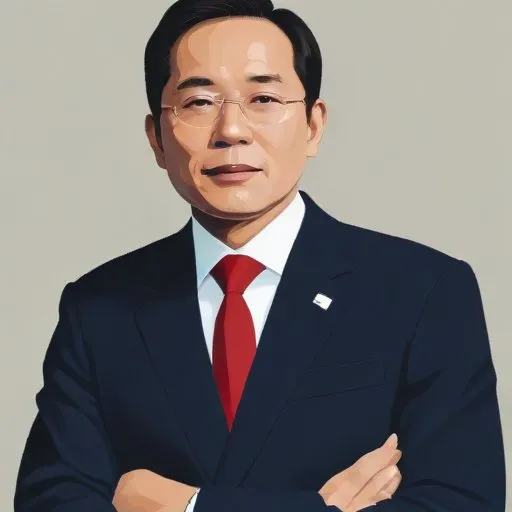
Lee Myungbak: The Controversial President of South Korea
A Businessman Turned Politician
Lee Myungbak, often referred to by his initials MB, is a South Korean businessman and politician who served as the 10th and 17th president of South Korea from 2008 to 2013. During his presidency, he altered the country's approach to North Korea, adopting a more hardline strategy in response to increased provocation from the North.
Early Life and Education
Born on December 19, 1941, Lee Myungbak graduated from Korea University and later received an honorary degree from Paris Diderot University in 2011. He is married to Kim Yoonok and has three daughters and one son. His older brother, Lee Sangdeuk, is a South Korean politician.
Rise to Prominence
Before entering politics, Lee was the CEO of Hyundai Engineering and Construction. In 2002, he became the mayor of Seoul, a position he held until 2006. His success in this role led to his election as president in 2007.
Presidency and Controversies
During his presidency, Lee's government initiated several high-profile projects, including the construction of a canal across South Korea and the redevelopment of the Han River. However, these projects sparked widespread opposition and protests from civil society groups, who accused the government of cronyism and disregard for environmental and social concerns.
Foreign Policy and Regional Dialogue
Lee's presidency also saw an increase in South Korea's visibility and influence in the global scene. He hosted the 2010 G20 Seoul summit and engaged in regional dialogue with Russia, China, and Japan. However, his hardline approach to North Korea sparked controversy and criticism from some quarters.
Corruption Charges and Arrest
In 2018, Lee was arrested on charges of bribery, embezzlement, and tax evasion alleged to have occurred during his presidency. Prosecutors accused him of receiving bribes totaling 11 billion won and channeling assets of 35 billion won to an illicit slush fund.
Legacy and Impact
Lee's presidency was marked by controversy and criticism, both domestically and internationally. Despite this, he remains a significant figure in South Korean politics and his legacy continues to shape the country's domestic and foreign policy.
Quotes and Memorable Sayings
- "I will make Korea a great nation, a nation that is respected and loved by the people of the world." - Lee Myungbak, Inaugural Address, 2008
Comparative Analysis with Contemporaries
Lee's presidency can be compared to that of his successor,
Park Geun-hye, who also faced corruption charges and was arrested in 2017. Both presidents were criticized for their authoritarian tendencies and alleged corruption, highlighting the need for greater accountability and transparency in South Korean politics.
Personal Life and Relationships
Lee is a Christian and attends Somang Presbyterian Church. He is known for his close relationships with business leaders and politicians, including his mentor, Chung Ju-yung, the founder of Hyundai Group.
Visual Timeline and Milestones
- 1941: Born on December 19th
- 2002-2006: Mayor of Seoul
- 2007: Elected as President of South Korea
- 2008-2013: Presidency marked by controversy and criticism
- 2018: Arrested on charges of bribery, embezzlement, and tax evasion
Trivia and Fun Facts
- Lee Myungbak is also known as "The Bulldozer" due to his reputation for pushing through large-scale infrastructure projects.
FAQ
What were Lee Myung-baks key policies as President of South Korea?
Lee Myung-baks presidency from 2008 to 2013 was marked by a focus on economic growth, green technology, and international relations, including a Global Korea initiative to increase the countrys global influence.
What was Lee Myung-baks background before politics?
Lee Myung-bak was a successful businessman and executive at Hyundai Engineering and Construction before entering politics, serving as the CEO of the company from 1977 to 1992.
What were the controversies surrounding Lee Myung-baks presidency?
Lee Myung-baks presidency was marked by several controversies, including allegations of corruption, cronyism, and authoritarianism, which led to widespread protests and criticism.
How did Lee Myung-baks presidency impact South Koreas economy?
Lee Myung-baks presidency saw significant economic growth, with the countrys GDP increasing by over 30%, but his policies have been criticized for exacerbating income inequality and favoring large corporations.
What is Lee Myung-baks current status?
Lee Myung-bak is currently serving a 15-year prison sentence for corruption and embezzlement, following his arrest and conviction in 2018. He is the first former South Korean president to be imprisoned for corruption.