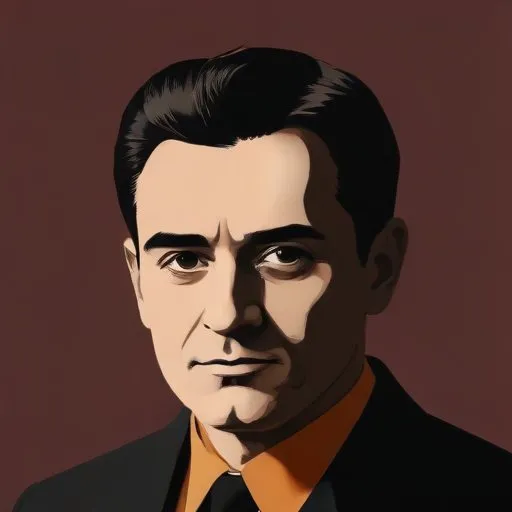
The Satirical Genius of Leo Rosten: Unpacking the Life and Legacy of a Literary Icon
A Master of Words and Wit
Leo Rosten is widely regarded as one of the most influential American writers and humorists of the 20th century. Best known for his clever and humorous writings on language, culture, and society, Rosten's work continues to delight and inspire readers to this day.
Early Life and Formative Years
Born on April 11, 1908, in Łódź, Russian Empire (now Poland), Rosten immigrated to the United States with his family at the tender age of three. Growing up in Chicago's Greater Lawndale area, Rosten was surrounded by a vibrant Jewish community, where he developed a deep appreciation for language and culture. His parents, Samuel and Ida Rosten, were trade unionists who instilled in him a strong work ethic and a passion for learning.
A Renaissance Man
Rosten's academic pursuits were nothing short of impressive. He studied political science, economics, and psychology at the University of Chicago, where he earned his doctorate in political science. He also spent time at the London School of Economics, further honing his intellectual curiosity. It was during this period that he formed lifelong friendships with notable economists, including
Milton Friedman and
W. Allen Wallis, who would go on to shape American neoliberalism.
A Career of Wit and Wisdom
Rosten's writing career spanned multiple genres, including scriptwriting, storywriting, journalism, and Yiddish lexicography. His most famous works,
The Education of HYMAN KAPLAN and
The Return of HYMAN KAPLAN, are satirical masterpieces that poke fun at the immigrant experience in America. These novels are semi-autobiographical, drawing heavily from Rosten's own experiences as a young immigrant.
Influence and Impact
Rosten's impact on American literature and culture is immeasurable. His work has been praised by critics and readers alike for its clever wordplay, biting satire, and poignant insights into the human condition. He was a frequent contributor to
The New Yorker and
The Saturday Evening Post, and his work has been translated into numerous languages.
Awards and Honors
Throughout his career, Rosten received numerous awards and honors for his contributions to literature and journalism. He was a member of the Mont Pelerin Society, a prestigious organization dedicated to promoting classical liberal values.
Personal Milestones and Key Life Events
- During World War II, Rosten worked in Franklin D. Roosevelt's administration, serving as deputy director at the Office of War Information.
- He was a close friend and confidant of Lowell Mellett, one of Roosevelt's aides.
- Rosten was involved in the formation of the Social Sciences division at the RAND Corporation, a leading think tank.
Legacy and Philosophical Contributions
Rosten's work continues to inspire generations of writers, humorists, and thinkers. His unique blend of wit, satire, and social commentary has left an indelible mark on American literature. Through his writing, Rosten championed the causes of social justice, linguistic diversity, and cultural understanding.
Quotes and Memorable Sayings
- "The only thing that saves us from the bureaucracy is its inefficiency."
- "The most remarkable thing about my mother is that for thirty years she served the family nothing but leftovers. The original meal has never been found."
A Lasting Impact
Leo Rosten's remarkable life and legacy serve as a testament to the power of language, wit, and satire. His work continues to delight, inspire, and challenge readers to this day, ensuring that his place in the pantheon of American literary giants is secure.
FAQ
What was Leo Rostens literary style?
Leo Rostens literary style was characterized by his witty humor, clever wordplay, and satire, often drawing from his experiences as a Jewish immigrant in the United States. His writing often blurred the lines between fiction and non-fiction, making him a unique voice in American literature.
What is Leo Rostens most famous work?
Leo Rostens most famous work is the novel The Education of H*Y*M*A*N K*A*P*L*A*N, which tells the story of a lovable but hapless Jewish immigrant struggling to adapt to American life. The book is a classic of American literature and has been widely praised for its humor and insight.
Was Leo Rosten a professor?
Yes, Leo Rosten was a professor of English literature at several universities, including the University of California, Los Angeles (UCLA) and Yeshiva University. He was known for his engaging teaching style and his ability to make complex literary concepts accessible to his students.
What awards did Leo Rosten win?
Leo Rosten won several awards for his writing, including the National Book Award for The Education of H*Y*M*A*N K*A*P*L*A*N and the New York Herald Tribunes Spring Book Festival Award.
What is Leo Rostens legacy?
Leo Rostens legacy is that of a pioneering American writer who explored the complexities of the Jewish-American experience with humor, wit, and compassion. His work continues to be widely read and studied, and his influence can be seen in many contemporary writers and comedians.