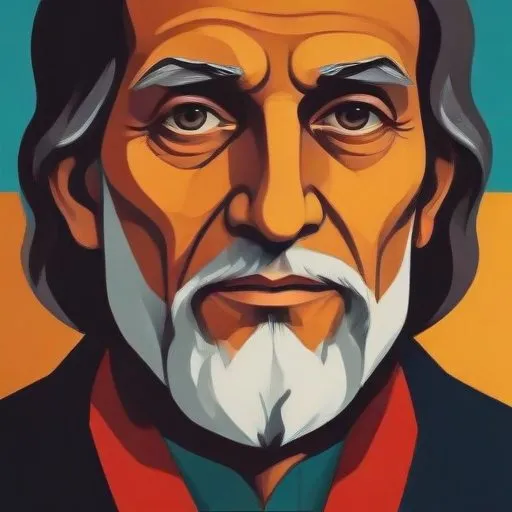
Leonardo Boff: The Pioneer of Liberation Theology
A Champion of Social Justice and Environmental Stewardship
Leonardo Boff, a Brazilian theologian, philosopher, and former Catholic priest, is renowned for his unwavering support for Latin American liberation theology. As a professor emeritus of ethics, philosophy of religion, and ecology at the Rio de Janeiro State University, Boff has dedicated his life to promoting human spirituality, social justice, and environmental stewardship.
Early Life and Education
Born Genzio Darci Boff on December 14, 1938, in Concórdia, Santa Catarina, Brazil, Boff entered the Franciscan Order in 1959 and was ordained a Catholic priest in 1964. He pursued a doctorate in theology and philosophy at the University of Munich, which he completed in 1970. His doctoral thesis, titled "Die Kirche als Sakrament im Horizont der Welterfahrung" (The Church as Sacrament in the Horizon of World Experience), explored the extent to which the Church can be a sign of the sacred and the divine in the secular world and in the process of liberation of the oppressed.
The Birth of Liberation Theology
Boff, alongside notable figures such as Gustavo Gutiérrez, Juan Luis Segundo, and Jon Sobrino, played a pivotal role in shaping the early liberation theology movement. He participated in the initial reflections that sought to articulate indignation against poverty and marginalization with a promissory discourse on faith, leading to the emergence of Latin American liberation theology.
A Controversial Figure in the Catholic Church
Boff's sharp criticism of the Church's hierarchy, which he perceives as fundamentalist, has made him a controversial figure in the Catholic Church. Additionally, his political positions, including his opposition to the Iraq War and his criticism of American foreign policy, have sparked debate and discussion.
Awards and Honors
In recognition of his inspiring insights and practical work, Boff was awarded the Right Livelihood Award in 2001. This prestigious award acknowledges his efforts to help people understand the links between human spirituality, social justice, and environmental stewardship.
Philosophical Contributions and Beliefs
Boff's philosophical contributions are characterized by a deep commitment to social justice, environmental stewardship, and human liberation. He firmly believes that spirituality and faith must be anchored in the concrete struggles of the marginalized and oppressed. His work has inspired countless individuals and communities to engage in advocacy and activism, striving for a more just and equitable world.
Influence on Modern Society
Boff's impact on modern society is multifaceted and far-reaching. His liberation theology has empowered marginalized communities to claim their rights and challenge oppressive structures. His emphasis on environmental stewardship has raised awareness about the importance of preserving our planet for future generations. As a prominent public intellectual, Boff continues to inspire and challenge individuals to become agents of change.
Quotes and Memorable Sayings
- "Theology is not a luxury, but a necessity for the poor and the oppressed."
- "The Church is not a sacristy, but a factory of justice and liberation."
- "We must learn to read the signs of the times, and the signs are telling us that the earth is crying out for liberation."
Legacy and Impact
Leonardo Boff's remarkable life and work have left an indelible mark on the world. His commitment to social justice, environmental stewardship, and human liberation has inspired a new generation of theologians, philosophers, and activists. As a champion of the marginalized and oppressed, Boff's legacy will continue to inspire and empower individuals to strive for a more just and equitable world.