


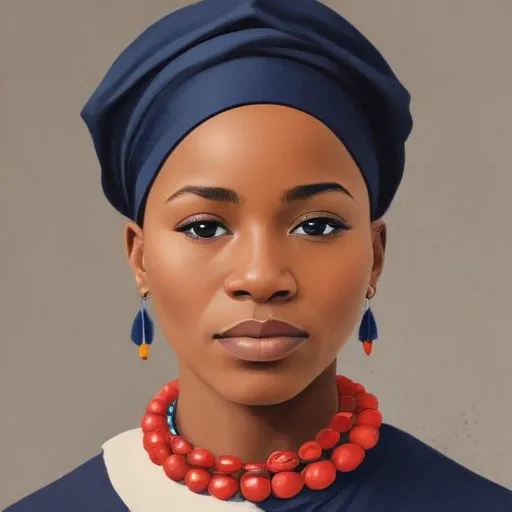
The King of Lesotho, reigning since 1996, is known for his efforts to modernize and develop the country, while also maintaining its cultural heritage. He has worked to improve education, healthcare, and economic opportunities for his people.
Letsie III, the King of Lesotho, is a stalwart of African monarchies, known for his unwavering commitment to preserving the traditions and cultural heritage of his nation. As the constitutional monarch of the Kingdom of Lesotho, he has played a pivotal role in maintaining stability and promoting economic development in this small but vibrant country.
Born on July 17, 1963, in Morija, Lesotho, Letsie III is the son of King Moshoeshoe II and Queen 'Mamohato. He was educated at the Lesotho National University and later pursued advanced studies in the United Kingdom, graduating from the University of Bristol.
Following the death of his father in 1996, Letsie III ascended to the throne, becoming the third monarch of Lesotho since the country gained independence from Britain in 1966. His coronation ceremony, held in 1997, was attended by dignitaries from across the world, underscoring the significance of his role in Lesotho's history.
Letsie III is deeply committed to the preservation of Lesotho's cultural heritage and traditional values. He has consistently emphasized the importance of promoting national unity, social cohesion, and economic development. His philosophy is rooted in the concept of Khotso, which translates to "peace" in Sesotho, the national language of Lesotho.
King Letsie III has also been a vocal advocate for the protection of the environment and natural resources, recognizing the delicate balance between Lesotho's fragile ecosystem and its people's well-being.
King Letsie III has played a significant role in promoting Lesotho's development, focusing on initiatives that drive economic growth, improve healthcare, and enhance education. His efforts have contributed to the country's gradual progress in human development indices, including the UN Human Development Index.
Moreover, he has been instrumental in fostering stronger relationships with regional and international partners, fostering cooperation on issues such as trade, security, and environmental protection.
Despite his reputation as a stabilizing force in Lesotho, King Letsie III has faced criticism for his handling of certain issues, including alleged human rights abuses and concerns over judicial independence.
However, his commitment to national reconciliation and peace has earned him widespread respect, both within Lesotho and globally.
Kings Letsie III's reign has been marked by significant events, including Lesotho's transition to a democratic government, the country's entry into the Southern African Customs Union (SACU), and its participation in regional and international organizations.
As Lesotho continues to navigate the complexities of modernization, King Letsie III remains a steadfast symbol of national identity, cultural heritage, and historical continuity.
His legacy will undoubtedly be shaped by his unwavering commitment to promoting peace, stability, and development in Lesotho, earning him a revered place in the annals of African monarchical history.
88 Years Old
The king who ruled Lesotho from 1966 to 1990, leading the country to independence from Britain and serving as a symbol of national unity. He's also known for his efforts to modernize and develop Lesotho's economy.
84 Years Old
The 4th President of South Africa, a controversial figure known for his corrupt regime and multiple scandals, including bribery and racketeering charges. He was also a key figure in the fight against apartheid.
84 Years Old
The second President of South Africa, a key figure in the country's transition from apartheid to democracy, known for his economic reforms and HIV/AIDS controversy.
77 Years Old
The 3rd President of South Africa, a key figure in the country's transition from apartheid to democracy, known for his role in shaping the nation's post-apartheid era.
73 Years Old
The fifth President of South Africa, a leader who has played a crucial role in the country's transition to democracy and has been a key figure in the fight against apartheid. He is also a successful businessman and entrepreneur.
Born in 1918
A South African lawyer and politician who fought against apartheid, becoming the country's first black president and a symbol of racial reconciliation, earning a Nobel Peace Prize. He's a beacon of hope and freedom.
90 Years Old
The last State President of apartheid-era South Africa who led the country's transition to democracy and was awarded the Nobel Peace Prize for his efforts. He's known for his role in releasing Nelson Mandela from prison and dismantling the apartheid system.
