


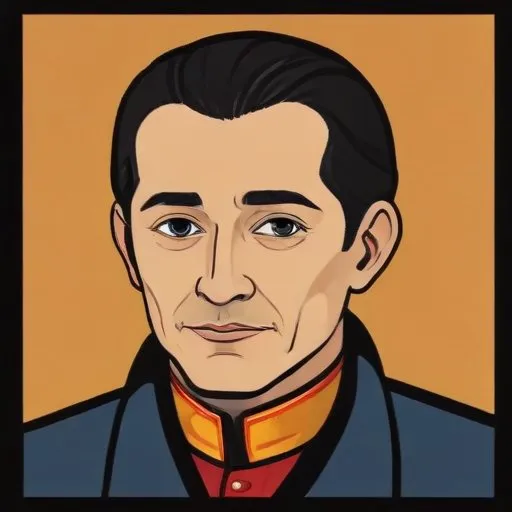
A Ukrainian-German author and academic who wrote about Soviet forced labor camps and was a vocal critic of Soviet totalitarianism, known for his memoirs and essays on morality and humanity.
Lev Kopelev was a renowned Soviet author and dissident, known for his courageous stance against the atrocities committed by the Soviet regime, particularly during the Holodomor and World War II. His memoir, The Education of a True Believer, is a testament to his unwavering commitment to humanism and democracy, despite facing severe persecution and imprisonment.
Born on April 9, 1912, in Kyiv, Ukraine, Kopelev grew up in a middle-class Jewish family. He developed a passion for writing and social justice, which led him to join the Communist Party as a student. His early idealism was reflected in his writings, which were often published in prominent newspapers like Komsomolskaya Pravda.
As a correspondent, Kopelev witnessed the forced grain requisitioning and dekulakization policies during the Holodomor, a devastating famine that claimed millions of lives in Ukraine. This experience shattered his illusions about the Soviet regime and marked a turning point in his life. He began to question the morality of the communist ideology and the government's brutal suppression of dissent.
When World War II broke out, Kopelev volunteered for the Red Army and used his knowledge of German to serve as a propaganda officer and interpreter. However, he was horrified by the atrocities committed against German civilians and publicly criticized the Soviet army's actions. This act of defiance led to his arrest in 1945 and a 10-year sentence in the Gulag for "fostering bourgeois humanism" and "compassion towards the enemy."
Kopelev's memoir, The Education of a True Believer, is a searing indictment of the Soviet regime's brutality and a testament to the human spirit. Written during his imprisonment, the book is a candid account of his experiences, from his early idealism to his disillusionment and subsequent imprisonment. The memoir is a powerful critique of totalitarianism and a celebration of the human capacity for empathy and compassion.
Lev Kopelev's courageous stance against the Soviet regime has inspired generations of writers, dissidents, and human rights activists. His legacy serves as a reminder of the importance of speaking truth to power and defending human dignity in the face of oppression. Through his writings, Kopelev continues to inspire and educate, reminding us of the importance of empathy, compassion, and democracy.
Kopelev's philosophical contributions are rooted in his commitment to humanism and democracy. He believed in the power of empathy and compassion to transform societies and challenge oppressive regimes. Through his writings, he advocated for individual freedom, dignity, and social justice, inspiring a generation of thinkers and activists.
Born in 1921
A Soviet physicist and dissident who advocated for human rights and nuclear disarmament, earning a Nobel Peace Prize in 1975. He's known for his courageous stance against the Soviet regime, promoting peace and democracy.
Born in 1918
A Russian literary giant who exposed the harsh realities of Soviet forced labor camps through his writings, earning him a Nobel Prize in Literature.
78 Years Old
A Ukrainian-Israeli physicist and politician who served as Deputy Prime Minister of Israel, known for his advocacy for human rights and democracy, particularly during his imprisonment in the Soviet Union. He's a symbol of resistance against oppression and a champion of freedom.
Born in 1890
A Russian literary giant, renowned for his poetic and novelistic masterpieces, including the epic "Doctor Zhivago", which captured the essence of Soviet Russia. His works are a testament to the power of literature in shaping cultural identity.
