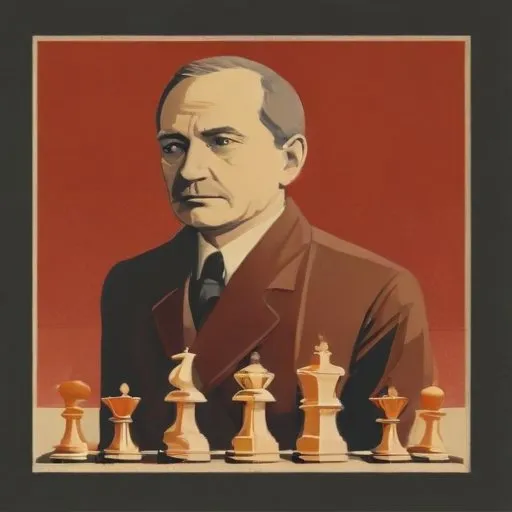
Lev Polugaevsky: The Soviet Chess Prodigy
A Legacy of Strategic Brilliance
Lev Polugaevsky was a renowned Soviet chess player, International Grandmaster, and distinguished author, whose contributions to the game continue to inspire and influence players around the world. With a career spanning over three decades, Polugaevsky was one of the strongest players in the world, a frequent contender for the World Championship, and a master of opening theory.
Early Life and Development
Born on November 20, 1934, in Mogilev, Belarus, Polugaevsky was evacuated during World War II and grew up in Kuybyshev (modern-day Samara). He began playing chess at the age of 10 and was discovered by Candidate Master Alexy Ivashin, who became his first teacher. Polugaevsky later trained with International Master Lev Aronin and Rashid Nezhmetdinov, crediting them for his development.
Rise to Prominence
Unlike many of his grandmaster colleagues, Polugaevsky's development in chess was slow and steady. He didn't receive the Soviet master title until adulthood, but his progress then accelerated rapidly. By the late 1960s, he was one of the world's strongest players, participating in the famous USSR vs. Rest of the World match of 1970.
Tournament Successes and Career Highlights
Polugaevsky won at Mar del Plata in 1962 and 1971, and won or tied in the USSR Chess Championship three times. He played regularly in qualifying events to select a challenger for the World Championship, qualifying for the Candidates Tournament on four occasions. Some of his notable tournament successes include:
- Winner of the 1962 and 1971 Mar del Plata tournaments
- Three-time winner or tied winner of the USSR Chess Championship
- Participant in the 1970 USSR vs. Rest of the World match
Opening Theorist and Author
Polugaevsky was a renowned opening theorist, and his contributions to the field remain important to this day. He wrote several books on chess openings, including "Grandmaster Performance" and "Pawn Structure in Chess." His work has influenced generations of chess players and continues to be studied by players around the world.
Lifetime Achievements and Legacy
Polugaevsky's legacy extends far beyond his tournament successes. He was a true pioneer of Soviet chess, paving the way for future generations of players. His contributions to opening theory have had a lasting impact on the game, and his writing has inspired countless players to improve their skills.
Influence on Modern Chess
Polugaevsky's influence on modern chess is undeniable. His opening theories and strategic insights continue to shape the way players approach the game. He inspired a generation of Soviet players, including World Champions like
Anatoly Karpov and
Garry Kasparov.
Personal Life and Later Years
Polugaevsky worked as an engineer until 1973, taking time off for tournaments. He passed away on August 30, 1995, leaving behind a legacy of strategic brilliance, literary contributions, and a lasting impact on the world of chess.
FAQ
What was Lev Polugaevskys greatest achievement in chess?
Lev Polugaevsky was a Soviet Chess Grandmaster who achieved numerous successes in his career, including winning the USSR Chess Championship in 1967 and finishing second in the World Chess Championship Candidates Tournament in 1970.
What is the Polugaevsky Variation in chess?
The Polugaevsky Variation is a chess opening named after Lev Polugaevsky, which starts with the moves 1.e4 e5 2.Nf3 Nc6 3.Bc4 Nf6 4.Ng5. This variation is known for its complexity and has been a favorite among many top players.
Did Lev Polugaevsky ever become the World Chess Champion?
Although Lev Polugaevsky was a highly skilled chess player, he never became the World Chess Champion. He was, however, a Candidate for the World Championship on several occasions.
What was Lev Polugaevskys style of play in chess?
Lev Polugaevsky was known for his creative and attacking style of play, which earned him a reputation as one of the most feared players of his generation.
Did Lev Polugaevsky write any books on chess?
Yes, Lev Polugaevsky wrote several books on chess, including Grandmaster Performance and Chess: The Art of Analysing, which are considered classics in the chess literature.