


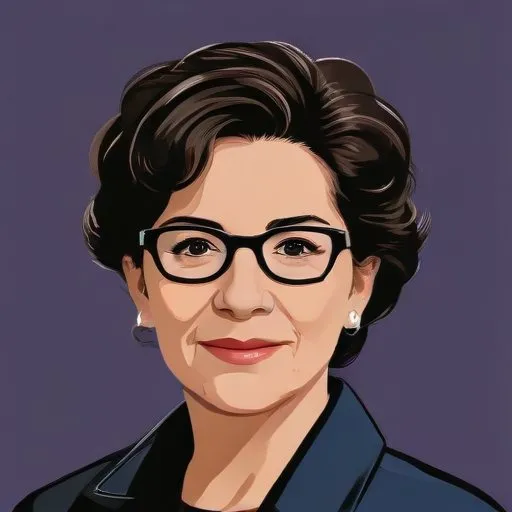
A writer of poetry, fiction, and nonfiction, known for exploring themes of identity, culture, and spirituality in her works. Her writing often blends elements of Eastern and Western cultures.
Leza Lowitz is a renowned American expatriate writer, editor, and cotranslator, best known for her extensive work on Japanese literature, culture, and society, as well as her international recognition as a yoga and mindfulness teacher.
Born on December 29, 1962, in San Francisco, California, Lowitz grew up in San Francisco and Berkeley, where she developed a strong foundation in literature and the arts.
She attended Berkeley High School, graduating in 1980, and went on to pursue higher education at New York University's School of Dramatic Writing and later at the University of California, Berkeley, where she earned her B.A. in English Literature in 1984.
Lowitz further honed her skills, earning an M.A. in Creative Writing from San Francisco State University in 1988, where she briefly taught before embarking on her journey to Japan.
Lowitz's literary achievements are a testament to her dedication to promoting Japanese literature and culture globally. She has edited, co-translated, and written over twenty books, many of which focus on Japan, its relationships with the United States, and the evolving role of Japanese women in literature, art, and society.
Some of her notable works include the groundbreaking anthology A Long Rainy Season: Contemporary Japanese Women's Poetry (1994) and The Collected Tanka of Akitsu Ei, which introduced Western readers to the haiku and tanka waka of renowned Japanese poets.
In addition to her literary pursuits, Lowitz is an accomplished yoga and mindfulness teacher, recognized internationally for her work in bridging poetry and the spiritual path through these disciplines.
She has taught yoga and mindfulness in various settings, from studios to retreats, and has shared her expertise through workshops and seminars.
Lowitz's unique approach to yoga and mindfulness combines her deep understanding of literature, poetry, and spirituality, offering a holistic experience that nurtures both body and soul.
Leza Lowitz's work has had a profound impact on the literary and cultural landscapes of both Japan and the United States, fostering greater understanding and appreciation between the two nations.
Through her writing, teaching, and yoga practice, Lowitz continues to inspire individuals to explore the intersections of literature, culture, and spirituality, leaving a lasting legacy in the worlds of literature and wellness.
Born in 1926
A leading figure of the Beat Generation, known for his poetry that explores themes of nonconformity, free expression, and social justice. His iconic poem "Howl" is a classic of American literature.
Born in 1919
A Beat Generation icon who co-founded the legendary City Lights Bookstore, a hub for counterculture and free speech, and penned poetry that captured the spirit of rebellion and nonconformity.
Born in 1922
Pioneering figure of the Beat Generation, known for spontaneous, confessional, and poetic writings that captured the essence of American counterculture in the 1950s and 60s.
Born in 1914
A pioneering figure of the Beat Generation, known for experimental and provocative works that blended fiction and reality, pushing boundaries of literature and art.
96 Years Old
Beat poet of the 1950s and 60s, known for his spontaneous, conversational style and rebellious, nonconformist spirit. His poetry often explored themes of alienation, social disillusionment, and the search for authenticity.
Born in 1926
A charismatic figure of the Beat Generation, known for his spontaneous and free-flowing writing style, which greatly influenced the development of American literature.
91 Years Old
Counterculture icon and author of psychedelic novels, most famously "One Flew Over the Cuckoo's Nest", which critiques societal norms and explores the human condition.
Born in 1926
Author of the 1952 novel "Go" and a prominent figure in the Beat Generation, known for his contributions to the literary movement that celebrated nonconformity and spontaneity.
