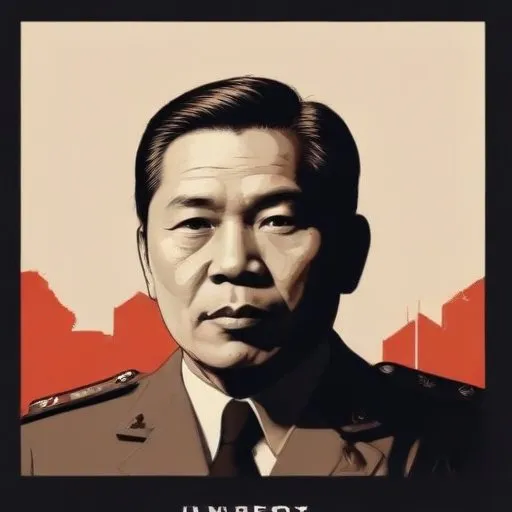
Lim Bo Seng: The Unsung Hero of Singapore's War Resistance
Introduction
Lim Bo Seng was a Chinese resistance fighter who played a pivotal role in Singapore and Malaya during World War II. He is remembered as a war hero in contemporary Singapore for his bravery and selflessness in the face of Japanese occupation.
Early Life and Business Ventures
Born on April 27, 1909, in Houpu Village, Meilin Town, Nanan County, Fujian Province, China, Lim Bo Seng was the son of Lim Loh, a successful businessman with diverse interests in construction, rubber, brick manufacturing, and biscuit production. His father's business acumen and networks in Southeast Asia laid the foundation for Lim Bo Seng's future entrepreneurial endeavors.
The Road to Resistance
Following the outbreak of the Second Sino-Japanese War in 1937, Lim Bo Seng participated in fundraising activities to support the war effort in China and organized boycotts of Japanese goods. These acts of defiance demonstrated his strong sense of nationalism and commitment to the Chinese community in Malaya and Singapore.
Force 136 and Espionage Operations
After Singapore fell to the Japanese in 1942, Lim Bo Seng fled to India, where he joined Force 136, a Sino-British guerrilla task force backed by the Special Operations Executive. As a member of Force 136, he carried out espionage, sabotage, and reconnaissance operations in Japanese-occupied Malaya, severely disrupting the enemy's supply lines and communication networks.
Capture and Martyrdom
In 1944, Lim Bo Seng was captured by Japanese forces in Malaya while on a mission. Despite being subjected to torture and ill-treatment, he refused to divulge any information about his comrades or the resistance movement. His bravery in the face of adversity ultimately led to his death in prison.
The Legacy of Lim Bo Seng
After the war, Lim Bo Seng's remains were transported back to Singapore and buried near MacRitchie Reservoir. In 1954, the Lim Bo Seng Memorial was constructed at Esplanade Park to commemorate his heroism and sacrifice. Today, he is remembered as a symbol of resistance and patriotism in Singapore, inspiring generations to come.
Philosophical Contributions and Beliefs
Lim Bo Seng's actions were guided by his strong sense of nationalism and commitment to the Chinese community. He believed in the importance of unity and cooperation in the face of adversity, and his courage and selflessness continue to inspire Singaporeans to this day.
Influence on Modern Society
Lim Bo Seng's legacy extends beyond his wartime exploits. His business acumen and entrepreneurial spirit have inspired generations of Singaporean entrepreneurs, while his bravery and sacrifice have become a beacon of hope for those fighting against oppression.
Personal Milestones and Key Life Events
- 1909: Born on April 27 in Houpu Village, Meilin Town, Nanan County, Fujian Province, China
- 1937: Participated in fundraising activities to support the war effort in China and organized boycotts of Japanese goods
- 1942: Fled to India and joined Force 136
- 1944: Captured by Japanese forces in Malaya and ultimately died in prison
- 1954: The Lim Bo Seng Memorial was constructed at Esplanade Park to commemorate his heroism and sacrifice
Controversies and Public Perception
Despite his heroic actions, Lim Bo Seng's legacy has not been without controversy. Some historians have questioned the extent of his involvement in Force 136, while others have debated the impact of his actions on the war effort. However, his bravery and sacrifice remain undisputed, and he is widely regarded as a hero in Singapore.
Quotes and Memorable Sayings
"Unity is strength; let us stand together against the forces of oppression." - Lim Bo Seng
Historical Context and Legacy
Lim Bo Seng's story is a testament to the bravery and resilience of those who fought against Japanese occupation during World War II. His legacy continues to inspire Singaporeans to this day, serving as a reminder of the importance of unity, courage, and sacrifice in the face of adversity.
FAQ
What was Lim Bo Sengs role in the resistance movement during World War II?
Lim Bo Seng was a Chinese businessman and resistance fighter who led Force 136, a group of Chinese and British operatives who fought against the Japanese occupation of Singapore during World War II.
How did Lim Bo Sengs business background influence his resistance work?
Lim Bo Sengs business experience and connections helped him smuggle supplies and funds to the resistance movement, making him a crucial figure in the fight against Japanese occupation.
What was Lim Bo Sengs personal life like?
Lim Bo Seng was born in 1909 in Nanjing, China, and came from a family of merchants. He later moved to Singapore, where he became involved in the resistance movement.
How did Lim Bo Sengs actions impact the war effort in Singapore?
Lim Bo Sengs resistance work helped disrupt Japanese supply lines and communication, contributing to the eventual Allied victory in Singapore.
What was Lim Bo Sengs legacy after the war?
Lim Bo Seng is remembered as a war hero in Singapore, and his bravery and sacrifices are still celebrated today.