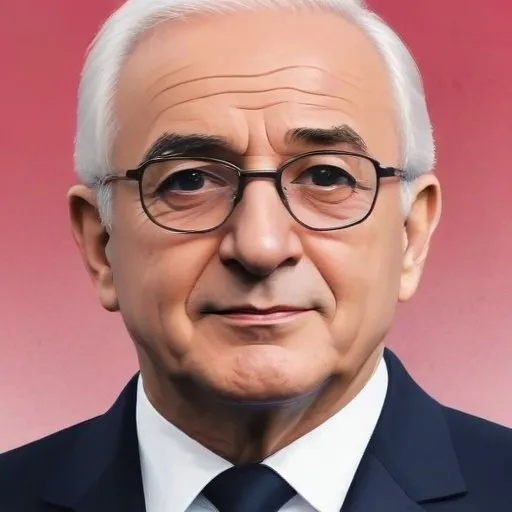
Lionel Jospin: The Pragmatic Prime Minister of France
A Leader of the French Socialist Party
Lionel Jospin, born on July 12, 1937, is a French politician who served as the
Prime Minister of France from 1997 to 2002. He is renowned for his tenure as the First Secretary of the Socialist Party from 1995 to 1997 and his consecutive presidential candidacies in 1995 and 2002.
Early Life and Education
Jospin was born in Meudon, a Parisian suburb, to a Protestant family. He is the son of Mireille Dandieu Aliette and Robert Jospin. He attended the prestigious Lyce JansondeSailly before pursuing higher education at Sciences Po and the École nationale d'administration (ENA). During his student years, Jospin was an active member of the UNEF students' union, where he protested against the Algerian War (1954-1962). He completed his military service as an officer in charge of armored training in Trier, Germany.
Political Career
After graduating from the ENA in 1965, Jospin entered the Ministry of Foreign Affairs as a secretary of Foreign Affairs. He later became in charge of economic cooperation, working alongside Ernest-Antoine Seillière, the future leader of the MEDEF employers' union. Jospin joined the Socialist Party (PS) in 1971, after being part of a Trotskyist group, the Internationalist Communist Organization (OCI), in the 1960s. He eventually rose through the ranks to become the second-highest-ranking member of the party in 1979 and its First Secretary in 1981.
Prime Minister of France (1997-2002)
Jospin's tenure as Prime Minister was marked by significant reforms, including the reduction of the working week to 35 hours, the introduction of the Euro, and the strengthening of the European Union. His government also focused on education, healthcare, and employment, with the creation of 350,000 jobs for young people. Despite his achievements, Jospin's public image was often criticized for being "dour, grumpy, rather cold, prone to temper and exasperation, and austere."
Presidential Candidacies and Later Life
In 1995, Jospin narrowly lost the presidential election to
Jacques Chirac. He faced a similar defeat in 2002, when he was eliminated in the first round, prompting him to announce his retirement from politics. However, in 2015, Jospin was appointed to the Constitutional Council by National Assembly President Claude Bartolone.
Legacy
Lionel Jospin's contributions to French politics and society are undeniable. His pragmatic approach to governance and his commitment to social welfare have left a lasting impact on the country. As a prominent figure of the French Socialist Party, Jospin has paved the way for future generations of politicians, ensuring that his legacy continues to shape the course of French history.
Trivia and Fun Facts
- Jospin is known for his dry sense of humor and has been described as a "Prussian general" due to his strict demeanor.
- He is an avid reader and has a particular fondness for the works of 19th-century French novelist, Gustave Flaubert.
- During his tenure as Prime Minister, Jospin implemented a policy of granting French nationality to undocumented immigrants, earning him both praise and criticism.
FAQ
What was Lionel Jospins role in French politics?
Lionel Jospin served as the 165th Prime Minister of France from 1997 to 2002. During his tenure, he implemented several significant reforms, including reducing the workweek and increasing the minimum wage.
What are Lionel Jospins views on European integration?
Lionel Jospin is a strong supporter of European integration and was a key player in the development of the European Union. He has spoken extensively on the topic and has advocated for greater cooperation between EU member states.
What was Lionel Jospins relationship with Jacques Chirac?
Lionel Jospin and Jacques Chirac had a complex relationship, with Chirac serving as President of France during Jospins prime ministership. While they had their differences, they worked together on several key issues, including European integration.
What is Lionel Jospins stance on economic policy?
Lionel Jospin is a social democrat and has advocated for a mixed economy with a strong social safety net. He has spoken out against austerity measures and has promoted investment in public services.
What has Lionel Jospin done since leaving office?
Since leaving office, Lionel Jospin has remained active in politics and has spoken out on various issues, including European integration and social justice. He has also taught at several universities and has written several books on politics.