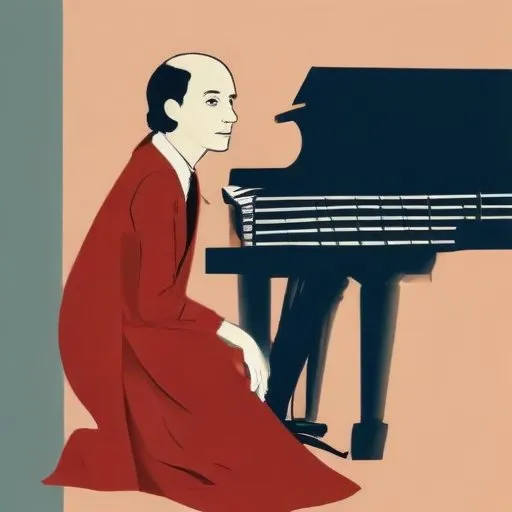
The Melodic Mastermind: Léo Delibes
A Life of Harmony and Dance
Léo Delibes, a French Romantic composer, is renowned for his mesmerizing ballets and operas that continue to enchant audiences to this day. His iconic works, such as
Coppélia,
Sylvia, and
Lakmé, have become an integral part of the classical music canon.
Early Years and Education
Born on February 21, 1836, in Saint-Germain-du-Val, France, Delibes was destined for a life of music. His mother, a talented amateur musician, recognized his talent and encouraged his development. After his father's untimely death in 1847, the family moved to Paris, where Delibes began his formal music education at the prestigious Conservatoire de Paris. Under the guidance of esteemed professors, including Antoine-Jules Tariot and François Bazin, Delibes honed his skills in music theory, piano, and harmony.
Rise to Prominence
Delibes' early compositions, light comic operettas, garnered moderate success in the 1850s and 1860s. However, it was his score for the ballet
La Source in 1866 that earned him public recognition. This breakthrough paved the way for his subsequent masterpieces,
Coppélia (1870) and
Sylvia (1876), which revolutionized the world of ballet by granting the music equal importance to the dance.
A Master of Opera
Delibes' operatic endeavors were not limited to ballet. His most celebrated opera,
Lakmé, premiered in 1883 to critical and commercial acclaim. The opera's famous "Flower Duet" remains a beloved classic, showcasing Delibes' mastery of melody and harmony.
Teaching and Legacy
In his later years, Delibes joined the faculty of the Conservatoire de Paris, imparting his knowledge and expertise to new generations of musicians. Although he passed away on January 16, 1891, at the age of 54, his legacy continues to inspire and delight audiences worldwide.
Coppélia and
Sylvia remain staples of the international ballet repertoire, while
Lakmé is frequently revived in opera houses around the world.
Fun Facts and Trivia
- Delibes' mother was the daughter of an opera singer and the niece of the organist Édouard Batiste.
- He composed a small number of mélodies, some of which are still performed frequently today.
- Delibes' music was heavily influenced by the works of Adolphe Adam, under whom he studied at the Conservatoire.
Quote
"Music is the divine way to tell beautiful, poetic things to the heart." – Léo Delibes
FAQ
What is Léo Delibes most famous composition?
Léo Delibes most famous composition is the opera Lakmé, which is known for its exotic and sensual music. The operas famous Flower Duet is a staple of classical music.
How did Léo Delibes influence French opera?
Léo Delibes was a key figure in the development of French opera, and his works helped to shape the direction of the genre in the late 19th century. He was known for his lyricism and his ability to craft memorable melodies.
What was Léo Delibes role in the Paris Opera?
Léo Delibes was a prominent figure at the Paris Opera, where he served as a composer and conductor. He worked with many of the leading singers and librettists of the day, and his operas were frequently performed at the opera house.
How did Léo Delibes music reflect his personality?
Léo Delibes music is characterized by its elegance and refinement, reflecting his own personality and values. He was known for his charm and his ability to craft music that was both beautiful and expressive.
What is Léo Delibes legacy in classical music?
Léo Delibes legacy in classical music is significant, with his operas and ballets continuing to be performed today. He is remembered as a master of French opera, and his music remains a staple of classical music repertoire.