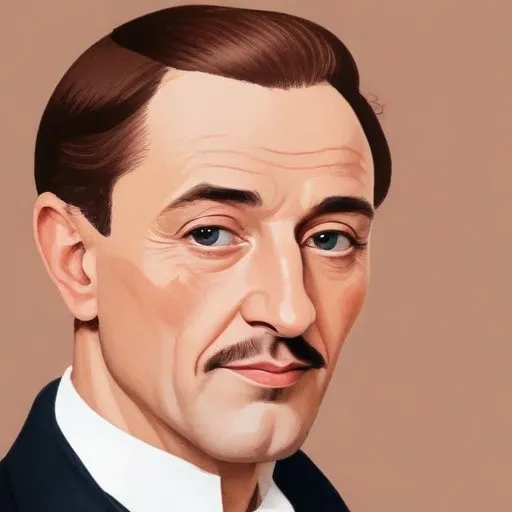
Louis Couperus: The Trailblazing Dutch Novelist and Poet
A Master of Words and Worlds
Louis Couperus, a Dutch novelist and poet, is renowned for his vast and diverse oeuvre, encompassing genres such as lyric poetry, psychological and historical novels, novellas, short stories, fairy tales, feuilletons, and sketches. His works are a testament to his boundless creativity and unique voice, solidifying his position as one of the most prominent figures in Dutch literature.
Early Life and Influences
Born on June 10, 1863, in The Hague, Netherlands, Couperus was the youngest of eleven children in a Dutch East Indies colonial family of the landed gentry. His father, John Ricus Couperus, was a prominent colonial administrator, lawyer, and landowner in Java. This rich cultural heritage would later influence his writing, injecting his works with a deep sense of history and cultural nuance.
Travels and Travelogues
Couperus and his wife, Elisabeth Baud, traveled extensively throughout Europe and Asia, a journey that would inspire several travelogues published weekly in newspapers. These vivid accounts of foreign lands and cultures not only showcased his exceptional writing skills but also provided a unique window into the lives of people during that era.
Literary Career and Major Works
Couperus's literary career was marked by a string of successful publications, including
Wilhelmina,
Eline Vere, and
Old People and the Thing that Is Called Their Fate. His writing often explored themes of love, identity, and the human condition, earning him widespread critical acclaim.
Awards and Recognition
In 1923, Couperus was awarded the prestigious Tollens Prize, a testament to his significant contribution to Dutch literature. His work continues to be celebrated for its timeless appeal and profound insight into the human experience.
Legacy and Impact
Couperus's influence extends beyond his own literary circle, having left an indelible mark on Dutch literature and culture. His writing has inspired generations of writers, and his legacy continues to be felt in modern literature and beyond.
Personal Life and Relationships
Couperus's personal life was marked by close relationships with his family and friends, including his dear friend Henri van Booven, whom he met during his boarding school days. These connections greatly influenced his writing, imbuing his works with a sense of warmth and authenticity.
Trivia and Fun Facts
- Couperus was baptized on July 19, 1863, in the Eglise wallonne in The Hague.
- He was a great-grandson of Abraham Couperus, the Governor of Malacca.
- Couperus traveled to the Dutch East Indies with his family at the age of nine.
A Lasting Legacy
Louis Couperus's remarkable life and literary achievements have left an enduring impact on Dutch literature and beyond. As we delve into his works, we are transported to a world of beauty, nuance, and profound insight, reminding us of the power of great literature to transcend time and borders.
FAQ
What was Louis Couperuss literary style?
Louis Couperus was a Dutch author and poet known for his symbolist and modernist style. He was particularly skilled at exploring themes of love, death, and the human condition.
What inspired Louis Couperuss writing?
Couperus was inspired by the works of authors such as Oscar Wilde and Joris-Karl Huysmans. He was also motivated by a desire to explore the human experience and to challenge traditional moral and social norms.
What were Louis Couperuss contributions to Dutch literature?
Couperus made significant contributions to Dutch literature, including his innovative use of language and form. He was a pioneer of modernist literature in the Netherlands and paved the way for future generations of authors.
What was Louis Couperuss personal life like?
Couperuss personal life was marked by struggles with depression and addiction. He was also known for his romantic relationships with men, which were a subject of controversy in his time.
What was Louis Couperuss later life like?
Couperus continued to write throughout his life, producing a range of novels, poems, and essays. He remained a respected figure in Dutch literary circles and a pioneer of modernist literature.