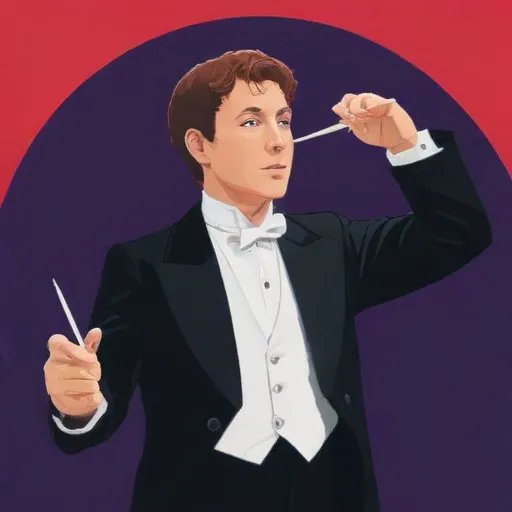
Louis Ganne: The Maestro of French Opera and Marches
A Legacy of Patriotism and Musical Innovation
Louis Ganne, a renowned French conductor and composer, is best known for his rousing patriotic marches, particularly
Le prére de la Victoire and
La Marche Lorraine, which continue to evoke national pride to this day. His operas, operettas, ballets, and marches have left an indelible mark on French music, solidifying his position as a celebrated figure in the country's cultural heritage.
Early Life and Training
Born on April 5, 1862, in Buxières-les-Mines, Allier, Ganne grew up in Issy-les-Moulineaux, a suburb of Paris. He received his musical training at the Conservatoire de Paris, where he studied under the tutelage of Csar Franck and
Jules Massenet, two of the most influential French composers of the time.
A Distinguished Career
Ganne's professional career spanned several decades, during which he conducted at prominent venues such as the Nouveau Théâtre de la Rue Blanche and the Folies-Bergère. He also led a concert series at the Monte Carlo Casino, showcasing his remarkable talent to audiences across Europe.
Operas and Operettas
Ganne's oeuvre includes a diverse range of operas and operettas, many of which were performed to great acclaim during his lifetime. Some of his notable works include:
- Ophélia (1887)
- Tout Paris (1891)
- L'Heureuse Rencontre (1892)
- Rabelais, an opera in 4 acts (1892)
- Les Saltimbanques, an opera in 3 acts (1899)
- Miss Bouton d'Or, an opera in 2 acts (1902)
Ballets and Marches
Ganne's ballets, such as
In Japan (1902), demonstrate his mastery of the genre. His marches, including the iconic
Le prére de la Victoire and
La Marche Lorraine, have become synonymous with French patriotism and are still widely performed today.
Legacy and Impact
Despite being less well-known outside of France, Ganne's contributions to French music are undeniable. His operettas, although rarely performed today, continue to influence contemporary French musical theatre. His marches, on the other hand, remain an integral part of French cultural heritage, evoking national pride and nostalgia.
Personal Milestones and Later Life
Ganne passed away on July 14, 1923, in Paris, leaving behind a legacy of musical innovation and patriotic fervor. His remarkable career serves as a testament to his dedication to his craft and his love for French music.
Remembering a Maestro
Louis Ganne's music continues to inspire generations of French musicians and music lovers alike. His marches, operas, and operettas have cemented his place in French cultural history, ensuring that his legacy will endure for years to come.
FAQ
What is Louis Ganne known for?
Louis Ganne was a French conductor, celebrated for his work in promoting French music and his contributions to the world of classical music.
What inspired Louis Gannes passion for music?
Gannes love for music was sparked by his early exposure to classical music and his desire to share the beauty of French music with the world.
Did Louis Ganne receive any recognition for his musical contributions?
Gannes work earned him recognition as a respected conductor and promoter of French music, solidifying his reputation as a leading figure in classical music.
What was Louis Gannes role in promoting French music?
Ganne played a crucial role in promoting French music, both domestically and internationally, through his conducting and advocacy.
How did Louis Gannes legacy impact the world of classical music?
Gannes legacy continues to shape the world of classical music, inspiring future generations of conductors and musicians to promote French music and its rich cultural heritage.