


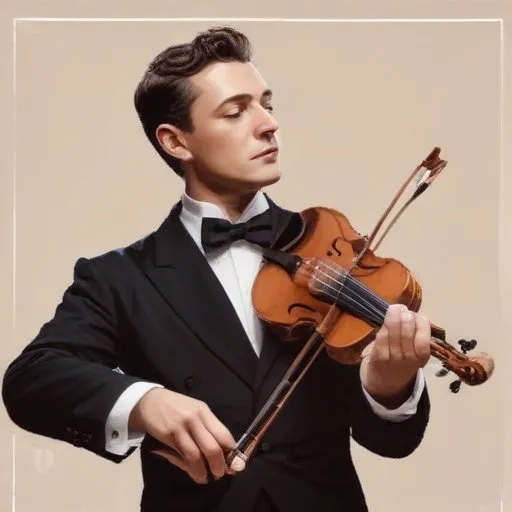
A renowned 19th-century musician, he was a master violinist, prolific composer, and influential conductor, leaving a lasting legacy in classical music. His compositions and conducting style paved the way for future generations of musicians.
Louis Spohr was a renowned German composer, violinist, and conductor, celebrated for his pioneering contributions to classical music. With a oeuvre spanning over 150 works, including symphonies, operas, concertos, and chamber music, Spohr left an indelible mark on the transition from Classical to Romantic music.
Born on April 5, 1784, in Braunschweig, Germany, Spohr was encouraged by his parents to pursue music from a young age. His mother, a talented singer and pianist, and his father, a flautist, recognized his early talent and provided him with violin lessons.
Spohr's musical journey began under the guidance of violinist Dufour, who recognized his potential and persuaded his parents to send him to Brunswick for further instruction. This marked the beginning of Spohr's remarkable career, which would take him to the courts of Europe and beyond.
Spohr's innovative spirit led to the invention of the violin chinrest, a device that revolutionized violin playing. This invention, along with his introduction of the orchestral rehearsal mark, demonstrates his dedication to improving the art of music-making.
Spohr's compositions showcase his mastery of multiple genres, including:
Following his death in 1859, Spohr's music fell into relative obscurity. However, the late 20th century saw a resurgence of interest in his works, primarily in Europe. Although his fame has not quite reached its former heights, Spohr's compositions continue to inspire and delight audiences today.
Through his remarkable life and works, Louis Spohr left an indelible mark on the world of classical music. As a composer, violinist, and conductor, he continues to inspire generations of musicians and music lovers alike.
Born in 1770
A musical genius who expanded the possibilities of classical music, creating iconic symphonies and piano sonatas that continue to inspire and influence generations of artists.
Born in 1756
A child prodigy and master of classical music, he composed over 600 works, including symphonies, operas, and chamber music, that continue to inspire and influence musicians today.
Born in 1797
A renowned composer of symphonies, operas, and chamber music, particularly famous for his emotional and expressive lieder (art songs) that showcased his mastery of melody and harmony.
Born in 1810
A renowned Romantic-era composer and influential music critic, known for his expressive and emotionally charged works, including symphonies, piano music, and art songs.
Born in 1809
A renowned 19th-century musician who masterfully blended classical and romantic styles, creating iconic works like the "Wedding March" and "Elijah" oratorio. His compositions continue to inspire and influence generations of artists.
Born in 1833
A renowned pianist and composer, he crafted complex, expressive works that blended traditional and innovative techniques, leaving an indelible mark on classical music.
Born in 1840
A renowned Russian composer and educator, he is best known for his iconic and beloved ballets, such as Swan Lake and The Nutcracker, which continue to enchant audiences worldwide.
