


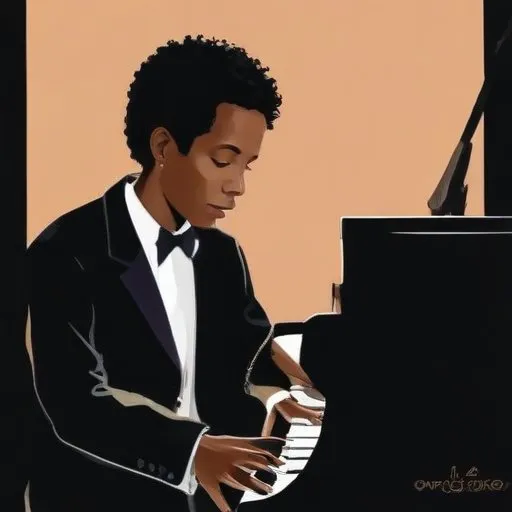
A pioneering female jazz musician, composer, and bandleader who helped shape the Chicago jazz scene in the 1920s and 1930s with her innovative piano playing and arrangements.
Lovie Austin, a trailblazing American musician, is widely regarded as one of the best female jazz blues piano players of the 1920s classic blues era, alongside Lil Hardin Armstrong. As a renowned bandleader, session musician, composer, singer, and arranger, Austin left an indelible mark on the jazz genre.
Born Cora Taylor on September 19, 1887, in Chattanooga, Tennessee, Austin grew up with eight siblings. She adopted the name Cora Calhoun in her teenage years, following a brief marriage to a movie house operator in Detroit. Later, she married vaudeville performer Phillip Austin, taking his surname.
Austin's passion for music led her to study music theory at Roger Williams University in Nashville and Knoxville College in Knoxville, Tennessee. This was a rare feat for an African American woman and jazz musician during that era.
In 1923, Austin made Chicago her home, where she lived and worked for the rest of her life. Her flamboyant style, often seen racing around town in her Stutz Bearcat with leopard skin upholstery, made her a local celebrity.
Austin's early career was rooted in vaudeville, where she showcased her piano skills and performed in variety acts. However, it was her exceptional talent for accompanying blues singers that catapulted her to fame. She worked with legendary blues vocalists, including Ma Rainey, Ida Cox, Ethel Waters, and Alberta Hunter.
Austin's jazz ensemble, the Blues Serenaders, became a staple of the Chicago jazz scene. The band's unique sound was characterized by the inclusion of trumpeters Tommy Ladnier, Bob Shoffner, Natty Dominique, or Shirley Clay, trombonists Kid Ory or Albert Wynn, and clarinetists Jimmy O'Bryant or Johnny Dodds, along with banjo and occasional drums.
The Blues Serenaders defied the typical jazz band paradigm, creating a distinctive sound that resonated with audiences. Austin's collaboration with Louis Armstrong on the song "Heebie Jeebies" remains one of her most notable achievements.
Austin's skills as a songwriter are exemplified in the classic "Down Hearted Blues." Her contributions to the jazz genre have inspired generations of musicians, solidifying her position as a pioneering figure in American music.
Through her remarkable career, Lovie Austin paved the way for future generations of female jazz musicians, leaving behind a rich legacy that continues to influence modern jazz and blues.
Lovie Austin's groundbreaking achievements and lasting impact on jazz and blues ensure her place as a legendary figure in American music history.
Born in 1901
A legendary jazz musician who revolutionized the genre with his unique trumpet playing and raspy vocals, leaving an indelible mark on American music.
Born in 1897
A pioneering figure in early jazz, leading a renowned orchestra and composing innovative arrangements that influenced generations of musicians.
Born in 1899
A legendary jazz pianist, composer, and bandleader who revolutionized the genre with his unique style and iconic compositions, such as "Take the A Train" and "Mood Indigo".
Born in 1904
A legendary jazz pianist and bandleader who led a iconic orchestra, blending swing and blues to create a unique sound that influenced generations of musicians. Known for his distinctive "less-is-more" style and hits like "April in Paris" and "One O'Clock Jump".
Born in 1896
A trailblazing jazz and blues singer, actress, and Broadway performer who broke racial barriers in the entertainment industry with her smooth, sultry voice and captivating stage presence.
Born in 1894
A powerful blues singer known for her soulful, raspy voice and emotive performances, often referred to as "The Empress of the Blues".
