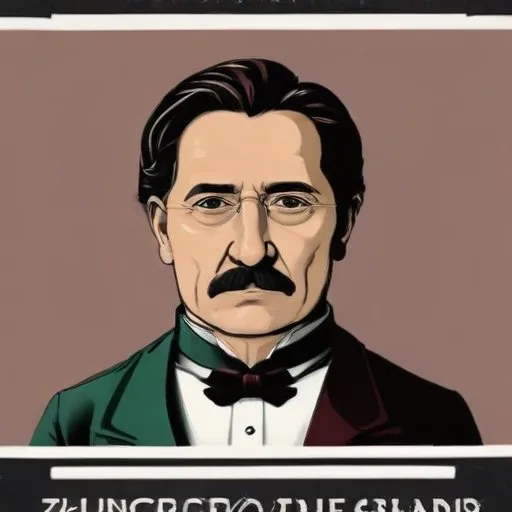
Lszl Lajtha: The Hungarian Maestro of Ethnomusicology
The Legacy of a Pioneer
Lszl Lajtha was a Hungarian composer, ethnomusicologist, and conductor who left an indelible mark on the world of music. Known for his tireless efforts to preserve and promote Hungarian folk music, Lajtha's contributions to the field of ethnomusicology are still celebrated today.
Early Life and Education
Born on June 30, 1892, to Ida Wiesel and Pl Lajtha, a leather factory owner, Lajtha's early life was steeped in music. His father, an aspiring conductor and violinist, encouraged Lajtha's musical pursuits from a young age. He went on to study at the Academy of Music in Budapest, Leipzig, Geneva, and finally Paris, where he was mentored by the renowned Vincent d'Indy.
Pioneering Ethnomusicology
Before the outbreak of World War I, Lajtha collaborated with fellow Hungarian composers Bla Bartk and Zoltn Kodly to study and transcribe Hungarian folk songs. This groundbreaking project aimed to produce a series of folk music recordings, which would eventually become a staple of Hungarian cultural heritage.
War, Teaching, and International Recognition
During World War I, Lajtha served as an artillery officer, an experience that would later influence his somber Second Symphony (1938). After the war, he began teaching at the Budapest National Conservatory, where he mentored notable conductors like Jnos Ferencsik. Lajtha's international reputation grew when he became a member of the International Commission of Popular Arts and Traditions of the League of Nations and the International Folk Music Council based in London.
Post-War Achievements and Legacy
Following World War II, Lajtha was appointed Director of Music for Hungarian Radio, Director of the Museum of Ethnography, and Director of the Budapest National Conservatory. His symphonic piece, In Memoriam, was the first new work to be premiered in Budapest after the war. During his 1947-1948 sojourn in London, Lajtha composed music for George Hoellering's film adaptation of T.S. Eliot's Murder in the Cathedral, which led to the creation of three influential concert works.
Personal Milestones and Key Life Events
- 1919: Married Rza Holls
- 1928: Became a member of the International Commission of Popular Arts and Traditions of the League of Nations
- 1947-1948: Spent a year in London composing music for George Hoellering's film
- 1963: Passed away on February 16th, leaving behind a rich cultural legacy
Philosophical Contributions and Beliefs
Lajtha's work embodied a deep respect for traditional music and a commitment to preserving cultural heritage. He believed that folk music was a vital part of a nation's identity and that its preservation was essential for future generations.
Inspirational Story and Motivation
Lajtha's tireless efforts to promote Hungarian folk music serve as a testament to his dedication and passion. His work continues to inspire musicians and musicologists alike, reminding us of the importance of preserving our cultural heritage.
Trivia and Fun Facts
- Lajtha's father, Pl, was an aspiring conductor who played the violin well and composed music.
- Lajtha's Second Symphony (1938) remained unperformed until 1988.
Lszl Lajtha's legacy is a testament to the power of music to bring people together and transcend borders. His contributions to ethnomusicology continue to inspire and educate, leaving behind a rich cultural heritage that will be cherished for generations to come.
FAQ
What were László Lajthas contributions to Hungarian music?
László Lajtha was a Hungarian composer and conductor who made significant contributions to the countrys musical heritage. He was particularly interested in folk music and its role in shaping Hungarian identity.
What was László Lajthas role in the Hungarian musical revival?
Lajtha played a key role in the Hungarian musical revival of the early 20th century, advocating for the promotion of Hungarian folk music and composers. He worked closely with other composers, such as Béla Bartók, to preserve and promote Hungarys rich musical heritage.
What were László Lajthas views on nationalism and music?
Lajtha believed that music was an essential part of national identity and culture. He argued that Hungarian music should be rooted in the countrys folk traditions, while also embracing modernist and avant-garde influences.
How did László Lajthas work reflect his Hungarian heritage?
Lajthas work often drew inspiration from Hungarian folk music, incorporating traditional melodies, rhythms, and instrumentation into his compositions. He saw his music as a way to preserve and promote Hungarys cultural heritage.
What is László Lajthas legacy in Hungarian music?
Lajtha is remembered as a pioneer of Hungarian music, celebrated for his contributions to the countrys musical heritage. He is commemorated through various institutions, awards, and landmarks that bear his name.