


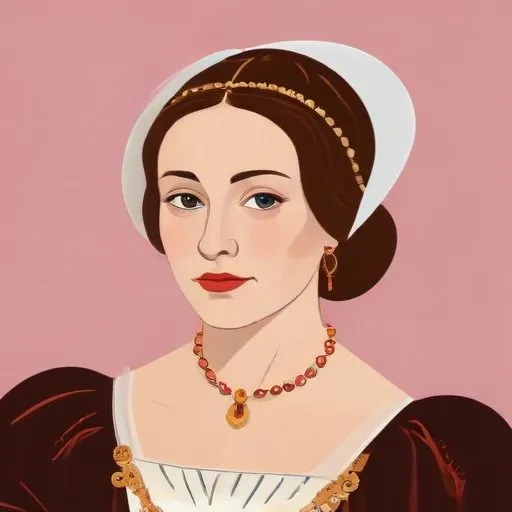
The mistress of the Duke of Milan, known for her beauty and influence over his decisions, shaping the fate of the Italian Renaissance.
Lucrezia Crivelli, a name shrouded in mystery, is widely recognized as the mistress of Ludovico Sforza, the Duke of Milan, and the mother of his illegitimate son, Giovanni Paolo I Sforza, Marquess of Caravaggio. Her stunning beauty and intriguing life have captivated art historians and enthusiasts, earning her a place in the annals of Renaissance history.
Crivelli's claim to fame lies in her suspected connection to Leonardo da Vinci's captivating portrait, La belle ferronnière, housed in the Louvre Museum. Although the subject's identity remains unconfirmed, art historians have long speculated that Crivelli was the inspiration behind this masterpiece. The painting's mystique has been further fueled by the 2011 National Gallery exhibition, which suggested an alternative subject: Beatrice d'Este, Ludovico Sforza's wife.
In 1995, the original portrait of Lucrezia Crivelli, hidden away for centuries, was finally displayed at the Speyer Historisches Museum. This exhibition offered a glimpse into the life of the enigmatic mistress, showcasing a more nuanced understanding of her character. The similarities between the pigments used in this portrait and those found in the Milanese mural, The Last Supper, further solidified Crivelli's connection to the Renaissance art world.
Lucrezia Crivelli's fascinating life and suspected connection to La belle ferronnière have cemented her place in the history of Renaissance art. Her story serves as a testament to the complex and often tumultuous relationships between powerful figures and their mistresses during this period. Crivelli's legacy continues to captivate art enthusiasts, inspiring new generations to delve into the mysteries surrounding her life and art.
Born in 1452
Ruler of Milan who commissioned Leonardo da Vinci's famous painting, The Last Supper, and was a patron of the arts and architecture.
Born in 1452
Renaissance mastermind behind iconic works like the Mona Lisa and The Last Supper, who revolutionized art, science, and engineering with his inventive and curious nature.
Born in 1469
Ruler of Milan who transformed the city into a cultural and economic hub, commissioning grand architectural projects and fostering a Renaissance humanist movement.
Born in 1495
Ruler of Milan from 1521 to 1535, known for his military campaigns and cultural patronage, particularly in the arts and architecture.
