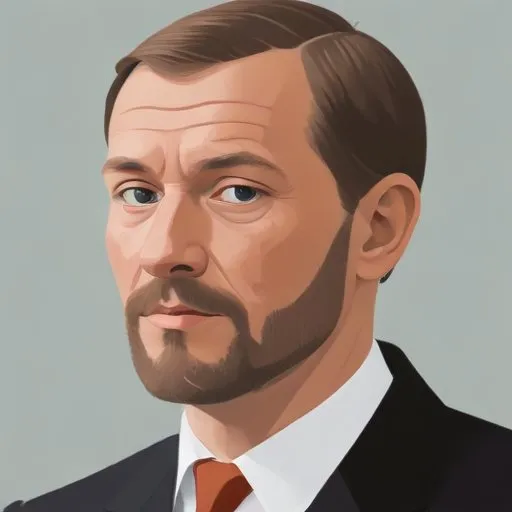
Ludvig Karsten: The Norwegian Neoimpressionist
A Bohemian Soul with a Brush
Ludvig Karsten, born on May 8, 1876, was a Norwegian painter renowned for his captivating neoimpressionist works, influenced by the likes of
Edvard Munch and
Henri Matisse. His artistic repertoire, characterized by vibrant colors and emotive brushstrokes, has left an indelible mark on the Scandinavian art scene.
Early Life and Career
Born in Christiania (now Oslo), Karsten grew up in a wealthy household, surrounded by the urban landscape that would later inspire his art. He began taking drawing lessons at the tender age of 13, and his talent soon flourished. In 1893, he embarked on a study tour to Telemark, where he honed his skills in landscape sketches and portraits.
After graduating from secondary school in 1895, Karsten traveled to Rome, Firenze, and Munich, immersing himself in the rich artistic heritage of Europe. A brief stint in the Norwegian Armed Forces at Gardermoen in 1898 was followed by his return to Munich, where he created the enigmatic "En mann og en kvinne" (Adam and Eve), now housed at the Stenersen Museum.
The Parisian Sojourn
In 1900, Karsten arrived in Paris, the epicenter of artistic innovation, where he trained on models and refined his craft. This period marked a significant turning point in his career, as he began to develop his unique neoimpressionist style.
Two years later, Karsten participated in the Autumn exhibition in Kristiania, showcasing his works "Two Men" and "Three Boys". The exhibition cemented his reputation as a rising star in the Norwegian art world.
A Life of Bohemian Flair
Karsten's personal life was as colorful as his palette. He was known for his quick temper and bohemian lifestyle, which often led to tumultuous relationships. In 1909, his daughter Alise was born, and she was later raised in foster care until she rejoined her father in Copenhagen.
In 1913, Karsten married the Danish sculptor Michaela Misse Frederikke Haslund, but their union ended in divorce four years later. His final years were marked by tragedy, as he fell down a steep staircase in Paris, succumbing to his injuries in 1926.
Legacy and Impact
Despite his untimely demise, Karsten's artistic legacy endures. His works are represented in numerous Scandinavian museums, including the National Gallery of Norway. His neoimpressionist style, characterized by bold colors and expressive brushstrokes, continues to inspire generations of artists.
In recognition of his contributions to Norwegian art, Karsten's life and works serve as a testament to the power of creativity and innovation. His story is a poignant reminder that even the most tumultuous of lives can leave behind a lasting legacy of beauty and inspiration.
- Notable Works:
- En mann og en kvinne (Adam and Eve)
- Two Men
- Three Boys
- Museums Represented:
- National Gallery of Norway
- Stenersen Museum
FAQ
What is Ludvig Karsten famous for?
Ludvig Karsten is a Norwegian painter, famous for his landscapes and seascapes, which capture the beauty and majesty of the Norwegian coast.
What style of painting did Ludvig Karsten use?
Ludvig Karsten was associated with the Romantic movement in art, which emphasized the emotional and expressive qualities of landscape painting.
What inspired Ludvig Karstens art?
Ludvig Karsten was inspired by the natural beauty of Norway, and his paintings often evoke a sense of awe and wonder at the power of the natural world.
What is the significance of Ludvig Karstens art?
The significance of Ludvig Karstens art lies in its ability to evoke a sense of national identity and pride in Norway, as well as its exploration of the emotional and psychological resonances of the natural world.
What is Ludvig Karstens legacy?
Ludvig Karstens legacy is that of a master painter who helped to shape the direction of Norwegian art in the late 19th and early 20th centuries.