


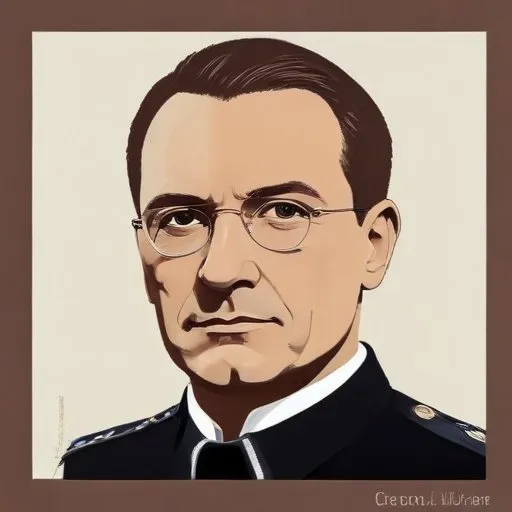
Ludwig Blkow, born on June 30, 1912, was a renowned aeronautical pioneer in Germany, leaving an indelible mark on the aerospace industry. He is best known for his groundbreaking contributions to the development of jet fighters, particularly the Messerschmitt Me 262, and his role in shaping the country's aeronautics and spaceflight industry.
Blkow was born in Schwerin, north-central Germany, where his father worked as a foreman for Fokker, a leading aircraft manufacturer. This early exposure to the aviation industry sparked Blkow's passion for aeronautics. After completing his studies in aeroengineering at the Technical University in Berlin, he joined the project office of Messerschmitt AG in Augsburg in 1939.
At Messerschmitt, Blkow worked his way up the ranks, initially as a clerk and later as a group leader for high-speed aerodynamics. He played a crucial role in the development of the Messerschmitt Me 262, one of the first operational jet fighters in the world. In 1943, he was appointed head of the Messerschmitt Bf 109 development office in Vienna, further solidifying his reputation as a leading figure in aerospace engineering.
After the war, Blkow founded Blkow GmbH in Ottobrunn, which would eventually grow into MBB Messerschmitt-Bölkow-Blohm, one of the largest aeronautics and spaceflight companies in Germany. Under his leadership, the company achieved numerous milestones, including the construction of the first German satellite, Azur, launched in 1969.
Blkow's contributions to the aerospace industry were recognized with several prestigious awards, including the Ludwig-Prandtl-Ring from the Deutsche Gesellschaft für Luft- und Raumfahrt (German Society for Aeronautics and Astronautics) in 1972. He also received a Gold Medal from the British Royal Aeronautical Society in 1978.
Ludwig Blkow's legacy extends far beyond his impressive list of achievements. He played a vital role in shaping Germany's aeronautics and spaceflight industry, paving the way for future generations of engineers and innovators. His contributions to the development of jet fighters and satellites continue to influence the industry today, earning him a permanent place in the annals of aerospace history.
Born in 1912
Developed the V-2 rocket for Nazi Germany and later led the team that created the Saturn V rocket that took humans to the moon.
Born in 1907
A pioneering rocket engineer and designer who played a crucial role in the Soviet space program, developing the R-7 rocket that launched Sputnik and sent humans into space.
Born in 1894
Pioneering rocket scientist and space travel theorist who laid the groundwork for modern astronautics, inspiring generations of space enthusiasts.
Born in 1913
Pioneering NASA's human spaceflight program, leading the development of the Mercury, Gemini, and Apollo projects, and playing a crucial role in landing the first humans on the moon.
Born in 1901
A high-ranking SS officer and engineer who oversaw the development of the V-2 rocket and other secret Nazi projects, playing a crucial role in Nazi Germany's war efforts.
