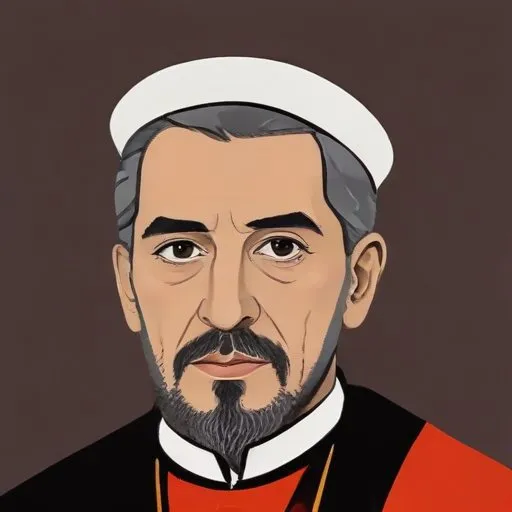
Luis Martín: The Visionary Leader of the Society of Jesus
A Life of Dedication and Service
Luis Martín, the 24th Superior General of the Society of Jesus, is renowned for his tireless efforts in revitalizing the Jesuit order during a period of great turmoil and upheaval.Born on August 19, 1846, in Melgar de Fernamental, Spain, Martín dedicated his life to serving the Church and the Jesuit community, leaving an indelible mark on the history of the Society.
Early Years and Formation
The third of six brothers, Martín was raised in a humble family and received his primary education in his native village. He then entered the seminary of Burgos in 1858, where he spent six years honing his intellectual skills. His affinity for philosophy led him to join the Society of Jesus in 1864, marking the beginning of a lifelong commitment to the Jesuit order.
Intellectual Pursuits and Pedagogy
Martín's intellectual inclination took him to Lón, where he began his philosophy studies. However, the revolution in Spain and rising anticlericalism forced him to move to France, where he completed his courses in Vals and Poyanne. During this period, he also taught humanities and rhetoric, showcasing his exceptional pedagogical skills.
Rise to Prominence
Ordained on September 14, 1876, Martín's academic prowess and commitment to the Jesuit order earned him the position of Rector of the Seminary of Salamanca from 1880 to 1884. He later became the director of the journal
El Mensajero del Corazón de Jesús and was appointed Superior of the Centre of Superior studies of Deusto-Bilbao, which would eventually become the University of Deusto.
Provincial of Castile and Leadership
Martín's leadership skills and dedication to spiritual and intellectual formation led to his appointment as Provincial of Castile in 1886. During this tenure, he navigated the deep divisions between Carlists and Integrists that were plaguing Catholics in Spain, particularly in the Basque region, including among the Jesuits.
The Roman Connection
In 1892, Martín was called to Rome by
Anton Anderledy to draft a document on studies in the Society. A few hours before Anderledy's death, Martín was appointed Vicar General, a position that would catapult him to the pinnacle of Jesuit leadership.
Superior General of the Society of Jesus
Martín's election as the 24th Superior General of the Society of Jesus in 1892 marked a new era of revitalization and growth for the Jesuit order. His leadership spanned 14 years, during which he implemented numerous reforms, strengthened the Society's intellectual and spiritual foundations, and navigated the challenges posed by modernity.
Legacy and Impact
Luis Martín's legacy is one of visionary leadership, intellectual rigor, and unwavering commitment to the Jesuit order. Through his tireless efforts, he revitalized the Society, leaving behind a lasting impact on the history of the Jesuits.
- He strengthened the Society's intellectual foundations, emphasizing the importance of education and knowledge.
- He navigated the complexities of modernity, skillfully adapting the Jesuit order to the changing times.
- He promoted a culture of dialogue and collaboration, fostering greater understanding between the Jesuits and the Church.
Personal Milestones and Key Life Events
- Born on August 19, 1846, in Melgar de Fernamental, Spain
- Entered the seminary of Burgos in 1858
- Joined the Society of Jesus in 1864
- Ordained on September 14, 1876
- Elected 24th Superior General of the Society of Jesus in 1892
- Passed away on April 18, 1906
Philosophical Contributions and Beliefs
Martín's philosophical contributions were rooted in his deep understanding of Jesuit spirituality and his commitment to the pursuit of knowledge. He believed in the importance of education and intellectual inquiry, fostering a culture of critical thinking and inquiry within the Jesuit order.
Awards and Honors
Luis Martín's dedication to the Jesuit order and the Church earned him numerous accolades, including:
- Vicar General of the Society of Jesus
- 24th Superior General of the Society of Jesus
- Rector of the Seminary of Salamanca
- Provincial of Castile
Historical Context and Legacy
Luis Martín's life and legacy are inextricably linked to the tumultuous period of the late 19th and early 20th centuries. His leadership and vision helped the Jesuit order navigate the challenges posed by modernity, anticlericalism, and social change. Today, he is remembered as a visionary leader who revitalized the Jesuit order, leaving behind a lasting impact on the history of the Society.
FAQ
Who was Luis Martín, the Spanish religious leader?
Luis Martín was a Spanish Jesuit priest who served as the 24th Superior General of the Society of Jesus from 1892 to 1906. He played a significant role in reforming the Jesuit order and promoting Catholic education.
What was Luis Martíns role in reforming the Jesuit order?
Luis Martín implemented several reforms within the Jesuit order, including the modernization of its educational institutions, the promotion of social justice, and the renewal of spiritual life. He also strengthened the orders commitment to Catholic education and missionary work.
How did Luis Martín impact Catholic education?
Luis Martín was a strong advocate for Catholic education, and under his leadership, the Jesuit order established numerous schools, colleges, and universities around the world. He believed that education was essential for the formation of Catholic leaders and the promotion of social justice.
What was Luis Martíns stance on social justice?
Luis Martín was committed to social justice and believed that Catholicism should be engaged with the social issues of the time. He encouraged Jesuits to work among the poor, promote workers rights, and advocate for social reform.
What was Luis Martíns legacy in the Society of Jesus?
Luis Martíns legacy lies in his reforming efforts, which helped to revitalize the Society of Jesus and strengthen its commitment to Catholic education and social justice. He is remembered as a visionary leader who shaped the Jesuit orders mission and identity.