


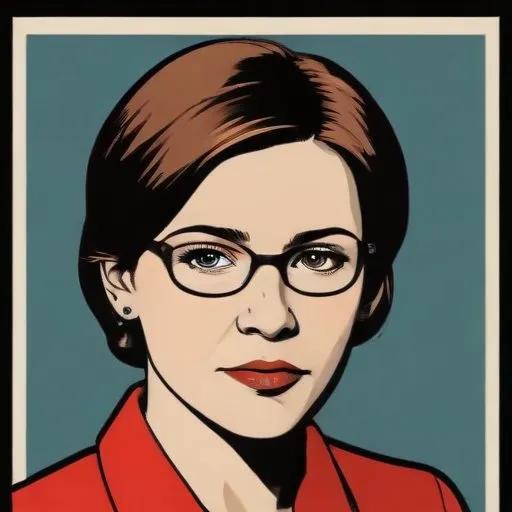
A pioneering writer and abolitionist who penned influential works on social justice and women's rights, leaving a lasting impact on American literature and social reform.
Lydia Maria Child, a pioneering American abolitionist, women's rights activist, Native American rights activist, novelist, journalist, and opponent of American expansionism, left an indelible mark on the 19th century. Her prolific writings, spanning fiction, domestic manuals, and poetry, not only reflected the tumultuous era but also played a significant role in shaping public opinion.
Born on February 11, 1802, in Medford, Massachusetts, Child's early life was marked by a strong educational foundation. Her brother, Convers Francis, a Unitarian minister, played a significant role in her intellectual development, introducing her to literary masters such as Homer and Milton. This exposure sparked her interest in writing, which would become a lifelong passion.
Child's writing career began with Hobomok, a novel published in 1824, which explored the complex relationships between Native Americans, European colonizers, and African Americans in early New England. This work showcased her ability to tackle challenging subjects, setting the tone for her future writings.
Child's commitment to social justice manifested in her tireless advocacy for abolition, women's rights, and Native American rights. Her 1833 tract, An Appeal in Favor of That Class of Americans Called Africans, was one of the first comprehensive anti-slavery treatises in the United States. This work not only condemned slavery but also proposed practical measures for its abolition.
In addition to her abolitionist efforts, Child was a vocal supporter of women's rights, advocating for education, property rights, and equal pay. Her work, The Frugal Housewife: Dedicated to Those Who Are Not Afraid of Economy, offered practical advice on domestic management, empowering women to take control of their households and finances.
Child's contributions to American literature and social justice are undeniable. Her poem, "Over the River and Through the Wood," has become a beloved Thanksgiving classic, while her writings on social justice issues continue to inspire contemporary discussions.
Child's legacy extends beyond her literary works. Her commitment to social justice and human rights has influenced generations of activists, writers, and thinkers. Her advocacy for marginalized communities has helped pave the way for ongoing struggles for equality and justice.
Child's unflinching commitment to social justice often led to controversy. Her criticisms of American expansionism and slavery earned her enemies, while her support for women's rights and Native American rights sparked heated debates.
Despite these challenges, Child remained undeterred, using her platform to voice her opinions and challenge the status quo. Her courage in the face of adversity has inspired generations of writers, activists, and thinkers.
"The world is governed by the men who carry the burden of the most oppressive and the most complicated laws."
"It is not the influence of truth, but rather the error, that is always on the side of the oppressor."
These quotes, among many others, demonstrate Child's astute understanding of power dynamics and her commitment to speaking truth to power.
Child's life and works are a testament to the power of individual agency in shaping the course of history. Her unwavering dedication to social justice, coupled with her literary talent, has left an indelible mark on American literature and the struggle for human rights.
In an era marked by oppression and inequality, Child's voice was a beacon of hope, inspiring generations to strive for a more just and equitable society. Her legacy serves as a powerful reminder of the importance of activism, empathy, and dedication to creating a better world for all.
Born in 1803
A leading figure in the Transcendentalist movement, he advocated for individualism, self-reliance, and nature-inspired spirituality through his essays and poetry. His ideas continue to influence American thought and culture.
Born in 1817
A 19th-century thinker who advocated for simple living, civil disobedience, and individualism, inspiring generations to reevaluate their relationship with nature and society.
Born in 1805
Founded an influential abolitionist newspaper, The Liberator, to advocate for the immediate emancipation of slaves. Known for his radical and uncompromising stance against slavery.
Born in 1793
A pioneering Quaker minister and women's rights activist who fought for abolition and women's suffrage, playing a key role in the Seneca Falls Convention.
Born in 1815
Pioneering women's rights activist who led the women's suffrage movement, fighting for women's right to vote and own property.
Born in 1820
Pioneering figure in the women's suffrage movement, fighting for women's right to vote and own property. Her tireless efforts led to significant advancements in women's rights.
Born in 1807
A prominent abolitionist and poet, known for his powerful writings that advocated for social justice and equality, leaving a lasting impact on American literature and history.
Born in 1780
Unitarian minister and influential thinker who advocated for social reform, abolition, and individualism through powerful sermons and writings.
