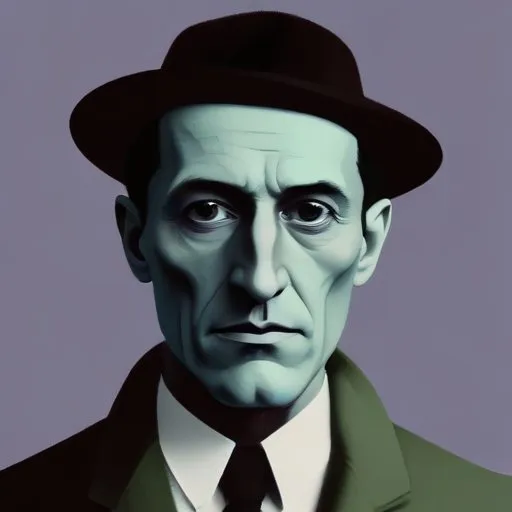
Lyonel Feininger: The Multifaceted Master of Expressionism
A Pioneering Spirit in Art and Music
Lyonel Feininger is renowned for his pioneering contributions to Expressionism, a movement that forever changed the landscape of modern art. As a painter, caricaturist, comic strip artist, and musician, Feininger's creative journey was marked by a rich tapestry of styles, mediums, and influences.
Early Life and Training
Born on July 17, 1871, in New York City to German-American violinist and composer Karl Feininger and American singer Elizabeth Feininger, Lyonel Feininger was destined for a life of artistic expression. At the age of 16, he traveled to Germany to study music, but soon shifted his focus to drawing at the Hamburger Gewerbeschule. He continued his artistic education in Berlin and Paris, where he honed his skills under the tutelage of esteemed artists such as Ernst Hancke and Filippo Colarossi.
The Rise to Prominence as a Caricaturist
Feininger's early career as a caricaturist brought him significant success, with his work appearing in prominent magazines such as
Harper's Round Table,
Harper's Young People, and
Berliner Tageblatt. His unique ability to capture the essence of his subjects with wit and satire earned him a reputation as a master of the genre.
A Leap into Fine Art
At the age of 36, Feininger made a decisive shift towards fine art, a move that would propel him to the forefront of the Expressionist movement. His work, characterized by prismatically broken, overlapping forms in translucent colors, showcased his fascination with architecture, the sea, and the human experience.
Photography and Music: Hidden Talents Revealed
Beyond his visual art, Feininger was an accomplished photographer, capturing a wide range of subjects with his camera. Furthermore, he was a skilled musician, composing piano pieces and fugues for organ. This multifaceted creative spirit earned him a reputation as a true Renaissance man.
Personal Life and Relationships
Feininger's personal life was marked by two significant relationships. He married Clara Först in 1901, with whom he had two daughters, and later married Julia Berg in 1908, with whom he had three sons. His connections with fellow artists and intellectuals of the time, including the Berlin Secession group, played a significant role in shaping his artistic vision.
A Lasting Legacy
Lyonel Feininger's contributions to modern art continue to inspire and influence generations of artists. His innovative approach to form, color, and composition has left an indelible mark on the art world. Through his multifaceted creative endeavors, Feininger has cemented his place as one of the most important artists of classical modernism.
- đáng chú ý: Lyonel Feininger's work continues to be exhibited globally, with his paintings and drawings held in high esteem by museums and private collectors alike.
- Feininger's photographic works remain a testament to his innovative approach to capturing the beauty of the human experience.
- His piano compositions and fugues for organ showcase his deep understanding of music and its emotional resonance.
As we delve deeper into the life and work of Lyonel Feininger, we are reminded of the profound impact that a single individual can have on the world of art and beyond.
FAQ
What style of art did Lyonel Feininger practice?
Lyonel Feininger was a prominent figure in the Cubist and Futurist movements, but he also experimented with various other styles, including Expressionism and Primitivism.
What is Lyonel Feiningers most famous work?
One of Lyonel Feiningers most famous works is the painting Gelmeroda I, which is considered a masterpiece of Cubist architecture.
Where did Lyonel Feininger study art?
Lyonel Feininger studied art at the Akademie der Künste in Berlin, where he was influenced by the works of Heinrich Zille and other prominent artists of the time.
What inspired Lyonel Feiningers artwork?
Lyonel Feiningers artwork was inspired by his travels, his fascination with architecture, and his interest in modern technology, such as airplanes and ships.
What is Lyonel Feiningers contribution to modern art?
Lyonel Feiningers contribution to modern art lies in his innovative use of Cubist techniques and his ability to capture the dynamic rhythms of modern life in his paintings.