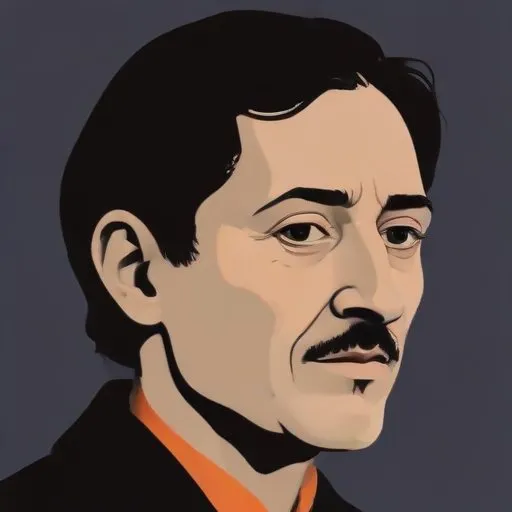
Maler Mller: The Renaissance Man of German Art and Literature
A Master of Idylls and the Brush
Maler Mller, born Friedrich Mller, is renowned for his enchanting prose idylls on country life, earning him the nickname "Maler" or "Painter" Mller. With a diverse talent that spanned painting, poetry, and drama, Mller left an indelible mark on the German art and literary scene of the late 18th century.
Early Life and Education
Born on January 13, 1749, in Kreuznach, Electoral Palatinate, Mller demonstrated a natural flair for art from a young age. He honed his skills in painting at Zweibrücken, where his charismatic personality and multifaceted talents won him favor with court circles. At just 18, he published several collections of etchings that garnered significant attention for their originality.
Poetic Awakening
Mller's poetic career began to take shape in Mannheim, where he settled in 1774-1775. He soon gained recognition as a poet, and in 1777, he was appointed court painter. His idylls, such as
Satyr Mopsus,
Der Faun,
Bacchidon und Milon,
Der erschlagene Abel, and
Die Schafschur, showcased his mastery of the form, heavily influenced by the Sturm und Drang movement.
Literary Contributions
Mller's literary works include
Adams First Awaking (1778) and
First Happy Nights (1779), a lyric drama that resonated with the tumultuous spirit of the era. His most notable work,
Fausts Leben dramatisiert (1778), a dramatization of the Faust legend, captivated audiences and solidified his reputation as a prominent German writer.
Artistic Evolution
In 1778, a public subscription enabled Mller to visit Italy, where he remained for the rest of his life. This exposure to Italian art and culture significantly influenced his style, albeit unfavorably, leading him to eventually abandon painting for the study of art history. He became a sought-after cicerone, guiding German visitors through Rome's artistic treasures.
Legacy and Impact
Maler Mller's unique blend of artistic and literary talents has left a lasting impact on German culture. His idylls continue to charm readers with their sentimental and poignant portrayal of country life. As a painter, his early etchings remain a testament to his innovative spirit. Through his work, Mller has inspired generations of artists, writers, and thinkers, cementing his place as a true Renaissance man of German art and literature.
Personal Milestones and Key Life Events
- 1775: Publishes his first collection of idylls
- 1777: Appointed court painter
- 1778: Visits Italy, where he remains for the rest of his life
- 1780: Converts to Roman Catholicism
- 1801: Publishes Golo und Genoveva, a dramatic poem
Trivia and Fun Facts
- Mller was known for his exceptional memory, which he claimed allowed him to recall entire conversations years later
- He was a prolific letter writer, exchanging correspondence with many prominent figures of his time
- Mller's love for art and literature was matched only by his passion for chess, which he played frequently with friends and acquaintances
Quotes and Memorable Sayings
- "Art is the only way to run away without leaving home."
- "The true artist is not proud, for he knows that his work is not his own, but a gift from the universe."
FAQ
What were Maler Müllers contributions to German literature and poetry?
Maler Müller was a significant figure in German literature and poetry, known for his innovative use of language and his exploration of themes such as love, nature, and mortality. He was a prominent figure in the Sturm und Drang movement.
How did Maler Müllers experiences as a painter influence his poetry?
Maler Müllers experiences as a painter had a significant impact on his poetry, particularly his use of vivid imagery and his emphasis on the visual aspects of poetry. His poetry often explored the relationship between art and literature.
What was Maler Müllers relationship like with other German writers?
Maler Müllers relationship with other German writers, including Johann Wolfgang von Goethe and Friedrich Schiller, was marked by mutual respect and admiration. He was part of a circle of writers who shared ideas and influenced each other.
How did Maler Müllers poetry reflect the cultural and literary trends of his time?
Maler Müllers poetry reflected the cultural and literary trends of his time, which were marked by a growing interest in Romanticism and the Sturm und Drang movement. His emphasis on emotion, imagination, and the individual was particularly influential.
What is Maler Müllers legacy in the history of German literature?
Maler Müllers legacy in the history of German literature is marked by his role as a significant poet and playwright of the Sturm und Drang movement. He is remembered as an innovative and influential writer who explored new possibilities in language and form.