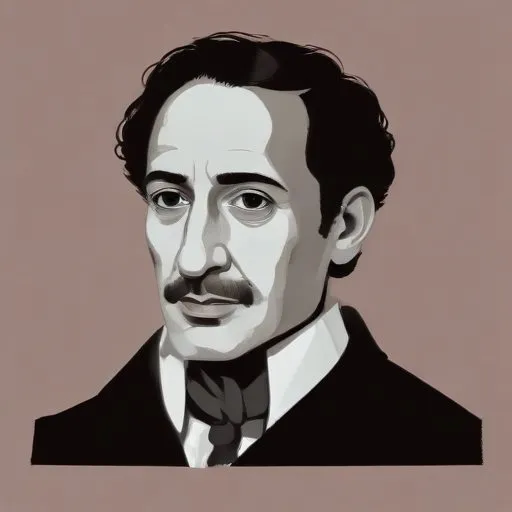
Manuel Bretón de los Herreros: The Prolific Spanish Dramatist
A Master of Comedy and Satire
Manuel Bretón de los Herreros is renowned for his incredible contribution to Spanish theater, with an astonishing 360 original plays to his name. He is particularly celebrated for his mastery of comedy and satire, which earned him a reputation as the most skilled Spanish dramatist of the 19th century.
Early Life and Career
Born on December 19, 1796, in Quel, Logroño, Spain, Bretón de los Herreros was educated in Madrid. Prior to pursuing a career in writing, he served in the military, fighting against the French in Valencia and Catalonia. During his time in the military, he lost his left eye in a duel in 1818. After retiring from the military in 1822, he worked as a civil servant before devoting himself to writing for the stage.
A Prolific Playwright
Between 1824 and 1828, Bretón de los Herreros wrote an astonishing 39 plays, including six original works and numerous translations and adaptations of classic masterpieces. His first play, "La vejez viruelas," was produced in 1824 and marked the beginning of his successful career as a playwright.
Awards and Recognition
Bretón de los Herreros' talent was recognized by the Royal Spanish Academy, which appointed him as its secretary. He was also a sublibrarian at the national library, a position he acquired after publishing a translation of Tibullus in 1831.
Controversy and Redemption
In 1840, Bretón de los Herreros faced opposition from the government, which had grown more conservative, for ridiculing the National Guard in his play "La Ponchada." As a result, he was dismissed from the national library and temporarily lost popularity. However, he regained his footing within two years and continued to dominate the Spanish theater scene.
Legacy
According to the Encyclopædia Britannica, Bretón de los Herreros is unparalleled in comic power and festivity among Spanish dramatists of the 19th century. His plays continue to be performed and admired, and his legacy as one of Spain's greatest playwrights remains unchallenged.
Personal Milestones and Key Life Events
- December 19, 1796: Born in Quel, Logroño, Spain
- 1812: Enlisted in the military
- 1818: Lost his left eye in a duel
- 1822: Retired from the military
- 1824: First play, "La vejez viruelas," was produced
- 1828: Wrote 39 plays in just four years
- 1831: Published a translation of Tibullus
- 1840: Faced opposition from the government for ridiculing the National Guard
- November 8, 1873: Passed away in Madrid
Bretón de los Herreros' remarkable career and contributions to Spanish theater continue to inspire and influence writers and playwrights to this day.
FAQ
What was Manuel Bretón de los Herreros contribution to Spanish literature?
Manuel Bretón de los Herreros was a prominent Spanish poet, playwright, and critic who made significant contributions to Spanish literature, particularly in the Romantic era.
What themes did Manuel Bretón de los Herreros explore in his works?
Manuel Bretón de los Herreros explored themes of love, nature, and social commentary in his works, which were characterized by their wit and humor.
What was Manuel Bretón de los Herreros role in Spanish literary circles?
Manuel Bretón de los Herreros was a central figure in Spanish literary circles, known for his sharp criticism and witty satire, which earned him both admiration and controversy.
What was the impact of Manuel Bretón de los Herreros works on Spanish culture?
Manuel Bretón de los Herreros works had a significant impact on Spanish culture, influencing a generation of writers and cementing his place as one of Spains most important literary figures.
How is Manuel Bretón de los Herreros remembered in Spanish literary history?
Manuel Bretón de los Herreros is remembered in Spanish literary history as a master of satire and a brilliant poet, whose works continue to be celebrated and studied today.