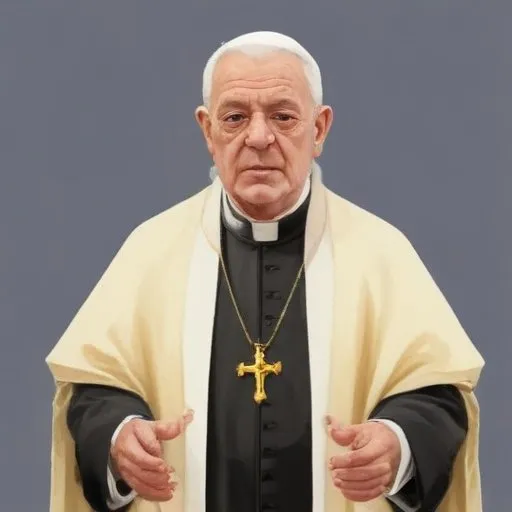
Manuel do Cenculo: A Luminary of the Portuguese Enlightenment
A Champion of Education and Intellectual Pursuits
Manuel do Cenculo, a Portuguese Franciscan prelate, is renowned for his instrumental role in the reform of the University of Coimbra, his directorship of the Royal Censorship Board, and his vision for a national library. His remarkable contributions to education, literature, and the arts have left an indelible mark on Portugal's cultural and intellectual heritage.
Early Life and Formative Years
Born on March 1, 1724, in Lisbon, Manuel de VilasBoas Anes de Carvalho, later known as Manuel do Cenculo, was raised in a humble family of Christian values. His mother, Antónia Maria, instilled in him the virtues of charity and piety, while his paternal uncle, Caetano Jerónimo, a familiar of the Holy Office of the Inquisition, introduced him to the world of learning.
Rise to Prominence and Ecclesiastical Career
Manuel do Cenculo's exceptional intellect and dedication to education earned him recognition among the Portuguese intelligentsia. He played a pivotal role in the Pombaline reforms of public instruction in Portugal, aligning himself with the novel ideas of the Enlightenment. His appointment as the first Bishop of Beja (1770-1802) and later as Archbishop of Évora (1802-1814) further solidified his position as a leading figure in the country's intellectual and ecclesiastical circles.
Illuminating the Path of Knowledge
During his tenure as director of the Royal Censorship Board, Manuel do Cenculo proposed the creation of a national library, a vision that would eventually materialize. He also gathered an impressive collection of books, antiquities, and works of art, which now comprises the Frei Manuel do Cenculo National Museum. His commitment to education and intellectual pursuits led to the establishment of public schools, libraries, and academies across Portugal, including the Évora Public Library and the Library of the Lisbon Academy of Sciences.
Philosophical Contributions and Beliefs
Manuel do Cenculo's affinity for the Enlightenment's ideals of reason, progress, and individual liberty is evident in his endeavors. He advocated for a more inclusive and accessible education system, recognizing the importance of knowledge in shaping a more enlightened society. His philosophical stance also emphasized the significance of critical thinking, intellectual freedom, and the pursuit of Wisdom.
Legacy and Impact
Manuel do Cenculo's legacy extends far beyond his contributions to education and literature. He played a crucial role in shaping Portugal's cultural and intellectual landscape, inspiring future generations of scholars, writers, and thinkers. His commitment to the arts and his passion for collecting and preserving historical artifacts have left an indelible mark on the country's cultural heritage.
Historical Context and Comparative Analysis
Manuel do Cenculo's remarkable achievements must be viewed within the context of 18th-century Portugal, a time marked by significant intellectual, cultural, and political transformations. A comparative analysis with contemporaries such as the Marquis of Pombal and other prominent figures of the Portuguese Enlightenment reveals the breadth and depth of his contributions to the country's intellectual and cultural landscape.
Personal Milestones and Key Life Events
- 1724: Born in Lisbon, Portugal
- 1770-1802: Served as Bishop of Beja
- 1802-1814: Served as Archbishop of Évora
- 1777: Lost influence at court following Pombal's fall from grace
- 1814: Passed away on January 26
Trivia and Fun Facts
- Manuel do Cenculo's vast collection of books, antiquities, and works of art is now part of the Frei Manuel do Cenculo National Museum.
- He was known for his humility and simplicity, often preferring to focus on his intellectual pursuits rather than his ecclesiastical duties.
- Manuel do Cenculo's family had illustrious forebears, as revealed by Francisco Manuel Trigoso's writings.
Conclusion
Manuel do Cenculo's remarkable achievements, philosophical contributions, and enduring legacy have cemented his place as one of Portugal's most celebrated intellectuals. As a champion of education, intellectual freedom, and cultural preservation, he continues to inspire future generations of scholars, thinkers, and artists.
FAQ
What was Manuel do Cenáculos contribution to Portuguese antiquarianism?
Manuel do Cenáculo was a pioneering figure in Portuguese antiquarianism, and his work helped to establish the field of study in Portugal. He was a skilled historian and collector of antiquities, and his research shed new light on Portugals rich cultural heritage.
How did Manuel do Cenáculos research impact the understanding of Portuguese history?
Manuel do Cenáculos research had a profound impact on the understanding of Portuguese history, as it provided new insights into the countrys medieval past. His work helped to challenge prevailing views and established new perspectives on Portugals historical development.
What was Manuel do Cenáculos role in the Portuguese Inquisition?
Manuel do Cenáculo played a significant role in the Portuguese Inquisition, serving as a consultant to the Inquisitor-General. His knowledge of antiquities and history helped inform the Inquisitions efforts to root out heresy and identify ecclesiastical anomalies.
How did Manuel do Cenáculos work influence later generations of Portuguese historians?
Manuel do Cenáculos work had a lasting impact on later generations of Portuguese historians, who built upon his research and insights. His legacy can be seen in the development of Portuguese historiography, which continues to draw on his pioneering work.
What is Manuel do Cenáculos place in Portuguese cultural heritage?
Manuel do Cenáculos place in Portuguese cultural heritage is that of a revered scholar and antiquarian, who helped to shape the countrys understanding of its own history and cultural identity. His work continues to inspire and inform Portuguese scholars and researchers today