


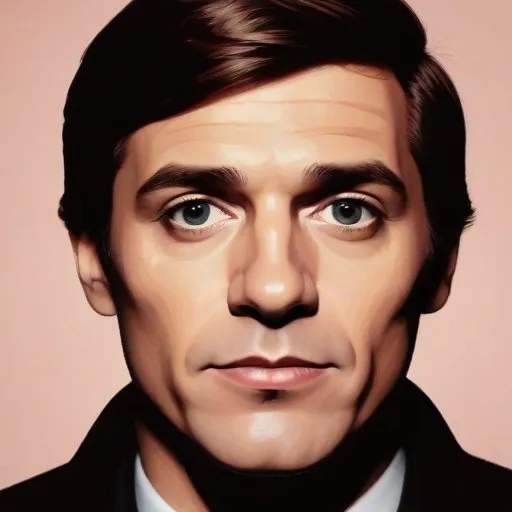
A prolific filmmaker behind numerous B-movies and cult classics, known for his work in film noir and crime dramas. He wrote and directed over 40 films, often starring his brother, John Lawrence.
With a career spanning over six decades, Marc Lawrence solidified his reputation as the go-to actor for portraying underworld characters, earning him the title of "the best hood in films" from none other than infamous mobster Johnny Roselli. His brooding appearance, pockmarked complexion, and New York street-guy accent made him a natural fit for playing gangsters and mob bosses.
Born Max Goldsmith on February 17, 1910, in New York City, Lawrence was the son of a Polish Jewish mother and a Russian Jewish father. He developed an interest in acting at an early age, participating in school plays and later attending the City College of New York. In 1930, he received a two-year scholarship to the repertory theater operated by Eva Le Gallienne.
Lawrence's film debut came in 1933, and his unique appearance and demeanor quickly typecast him as a heavy. He played scores of gangsters and mob bosses throughout the 1930s and 1940s, becoming a familiar face in Hollywood. His performances were so convincing that many Italian hoods told him he played them better than anyone else.
Lawrence's career was put on hold when he was called before the House Un-American Activities Committee (HUAC) to answer questions about his alleged ties to the Communist Party. He admitted to being a member and named several fellow actors, including Sterling Hayden and Anne Revere, as Communists. The blacklisting that followed forced Lawrence to depart for Europe, where he continued to work in film.
After the demise of the blacklist, Lawrence returned to America and resumed his position as a talented purveyor of gangland types. He appeared in two James Bond films, Diamonds Are Forever (1971) and The Man with the Golden Gun (1974), as well as Marathon Man (1976) and the comedy Hot Stuff (1979).
Throughout his career, Lawrence worked with some of the biggest names in Hollywood, earning a reputation as a reliable and talented character actor. His portrayals of underworld characters have become iconic, influencing generations of actors and filmmakers. Lawrence's legacy extends beyond his on-screen presence, with his personal story serving as a testament to the enduring power of perseverance and redemption.
"I played them better than anyone else."— Marc Lawrence on his portrayals of gangsters
With a career spanning over six decades, Marc Lawrence left an indelible mark on Hollywood, solidifying his legacy as the quintessential gangster actor.
Born in 1913
A talented actor and singer who starred in classic films like "The Postman Always Rings Twice" and brought a new level of realism to Hollywood's Golden Age. Known for his brooding, intense performances that captivated audiences.
Born in 1899
Iconic leading man of classic Hollywood cinema, starring in timeless films like Casablanca and The African Queen, embodying a tough, charismatic on-screen presence.
Born in 1924
Iconic actress and sultry-voiced siren, known for her captivating film noir performances and timeless Hollywood glamour.
Born in 1915
A legendary entertainer who charmed audiences with smooth vocals and iconic film roles, leaving an indelible mark on American popular culture.
Born in 1917
A legendary entertainer, known for smooth vocals, charming on-screen presence, and iconic Rat Pack performances, leaving a lasting impact on the music and film industries.
Born in 1926
A legendary comedian and actor, best known for his slapstick humor, impressive physical comedy, and iconic films like "The Nutty Professor" and "Martin and Lewis" duo with Dean Martin.
Born in 1925
A dashing Hollywood heartthrob, starring in iconic films like "Some Like It Hot" and "Spartacus," charming audiences with his good looks and acting talent.
Born in 1924
Acclaimed filmmaker behind gritty, socially conscious dramas and classics like "12 Angry Men" and "Dog Day Afternoon", known for his intense, realistic direction.
