


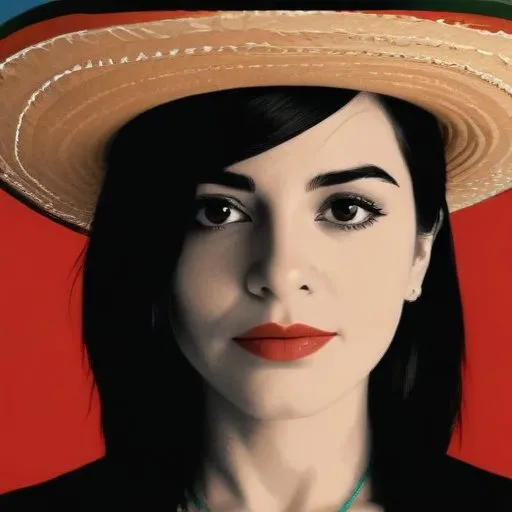
Documenting the lives of indigenous and marginalized communities through poignant, intimate photographs that humanize and amplify their stories.
Marcey Jacobson, a pioneering American photographer, is renowned for her captivating images of the indigenous peoples of Southern Mexico, showcasing their daily lives, traditions, and cultural practices. Her remarkable body of work, spanning over four decades, offers a unique glimpse into the rich cultural heritage of the region.
Born on September 27, 1911, in the Bronx, New York, Jacobson's early life was marked by a sense of adventure and social activism. She was drawn to politics and became involved in various causes, including protesting against the execution of Julius and Ethel Rosenberg.
In 1956, Jacobson embarked on a 10-day trip to Mexico, which would change the course of her life. She settled in Chiapas, where she met her partner, painter Janet Marren, and began to explore photography. With a borrowed Rolleiflex camera and self-taught skills, Jacobson started capturing the essence of everyday life in Mexico.
Jacobson's photography was not just about aesthetics; it was a way to document and share the stories of the people she encountered. Her 14,000 negatives, compiled over the years, offer a rare glimpse into the lives of the indigenous communities, their traditions, and the complexities of their daily existence.
Jacobson's work has contributed significantly to the preservation of Mexico's cultural heritage. Her photographs have been exhibited in various galleries and museums, including the Museum of Modern Art in New York and the National Museum of Anthropology in Mexico City.
Jacobson's personal life was marked by her commitment to social justice and activism. As an openly lesbian woman and socialist, she faced challenges in her career and personal life. Her experiences in Mexico, however, allowed her to find a sense of belonging and purpose.
"I want my photographs to be a window into the lives of the people I've come to know and love. I want to share their stories, their struggles, and their triumphs."
Marcey Jacobson's remarkable body of work has not only preserved the cultural heritage of Mexico's indigenous peoples but has also inspired future generations of photographers and cultural preservationists. Her legacy continues to captivate audiences, offering a poignant reminder of the importance of cultural understanding and appreciation.
Born in 1890
A pioneer of avant-garde photography, this artist experimented with techniques like solarization and rayography, creating surreal, dreamlike images that blurred the line between art and photography.
Born in 1907
A pioneering model-turned-photographer who captured intimate portraits of WWII soldiers and later became a renowned war correspondent, known for her striking images and fearless approach.
Born in 1895
Documented the lives of those affected by the Great Depression and the Dust Bowl through powerful, poignant photographs that humanized the struggles of the era. Captured iconic images that shaped the national conversation around poverty and social justice.
Born in 1902
Pioneering landscape photographer and conservationist capturing iconic black-and-white images of the American West, advocating for environmental protection through art.
Born in 1886
A pioneer of modern photography, capturing the beauty of the American West and still-life compositions with unparalleled precision and sensuality.
Born in 1883
Pioneering photographer capturing intimate botanicals, industrial landscapes, and portraits, pushing boundaries of modernist photography.
56 Years Old
A Zimbabwean cricketer who played international cricket and later became a coach, known for his spin bowling and leading the national team to several victories.
