


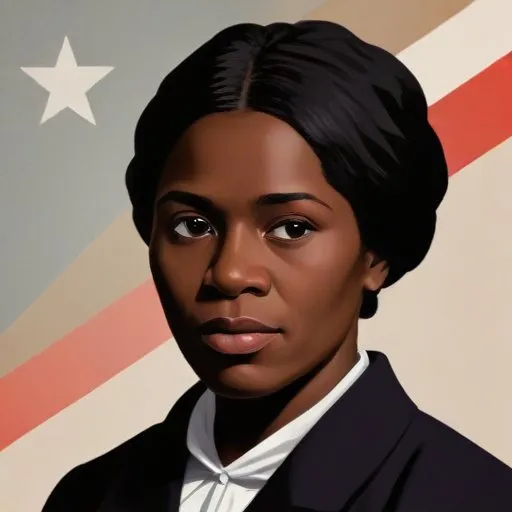
A prominent figure in the American abolitionist movement, known for her tireless efforts to end slavery and advocate for women's rights through writing and public speaking.
Maria Weston Chapman was a trailblazing American abolitionist, revered for her unwavering dedication to the eradication of slavery and her fearless advocacy for the rights of the oppressed. As a prominent figure in the American Anti-Slavery Society, Chapman's tireless efforts propelled the movement forward, earning her a permanent place in the annals of American history.
Born on July 25, 1806, in Weymouth, Massachusetts, Maria Weston was the eldest child of Captain Warren Richard Weston and Anne ne Bates Weston. Alongside her seven younger siblings, Maria received a robust education, which would later serve as the foundation for her future endeavors. Her family's modest means belied their strong connections, thanks to her uncles' patronage. Maria's formative years were spent in England, where she honed her intellect and developed a strong sense of social responsibility.
Upon returning to Boston in 1828, Chapman became the principal of a newly founded, socially progressive girls' high school. However, she soon left the field of education to marry Henry Chapman, a like-minded abolitionist. Together, they subscribed to the principles of William Lloyd Garrison, advocating for an immediate and uncompromising end to slavery through moral suasion and nonresistance. This radical stance led them to reject all political and institutional coercion, including churches, political parties, and the federal government, as agencies for ending slavery.
Maria Chapman's commitment to the abolitionist cause was unwavering, despite facing pro-slavery mobs, social ridicule, and public attacks on her character. She was unrelenting in her pursuit of justice, earning her a reputation as one of the most outspoken and active abolitionists of her time. Her sisters, Caroline and Anne, were also devoted to the cause, but Maria's unyielding spirit set her apart.
From 1839 to 1842, Chapman served as the editor of The Non-Resistant, an antislavery journal that gave voice to the marginalized and oppressed. Her editorship marked a significant milestone in the abolitionist movement, as it provided a platform for like-minded individuals to express their views and mobilize support for the cause.
Maria Weston Chapman's unrelenting pursuit of justice and equality has left an indelible mark on American history. Her contributions to the abolitionist movement paved the way for future generations of activists, inspiring them to continue the fight against oppression and discrimination. Through her tireless efforts, Chapman has ensured that her voice will be heard for generations to come.
In conclusion, Maria Weston Chapman's life serves as a testament to the power of conviction and determination. Her unwavering commitment to the abolitionist cause has inspired countless individuals to take up the mantle of social justice, ensuring that her legacy will endure long after her passing on July 12, 1885.
Born in 1805
Founded an influential abolitionist newspaper, The Liberator, to advocate for the immediate emancipation of slaves. Known for his radical and uncompromising stance against slavery.
Born in 1800
Abolitionist who led the raid on Harpers Ferry, a pivotal event that helped spark the American Civil War, fighting to end slavery through radical action.
Born in 1803
A leading figure in the Transcendentalist movement, he advocated for individualism, self-reliance, and nature-inspired spirituality through his essays and poetry. His ideas continue to influence American thought and culture.
Born in 1817
A 19th-century thinker who advocated for simple living, civil disobedience, and individualism, inspiring generations to reevaluate their relationship with nature and society.
Born in 1780
Unitarian minister and influential thinker who advocated for social reform, abolition, and individualism through powerful sermons and writings.
Born in 1802
A pioneering writer and abolitionist who penned influential works on social justice and women's rights, leaving a lasting impact on American literature and social reform.
