


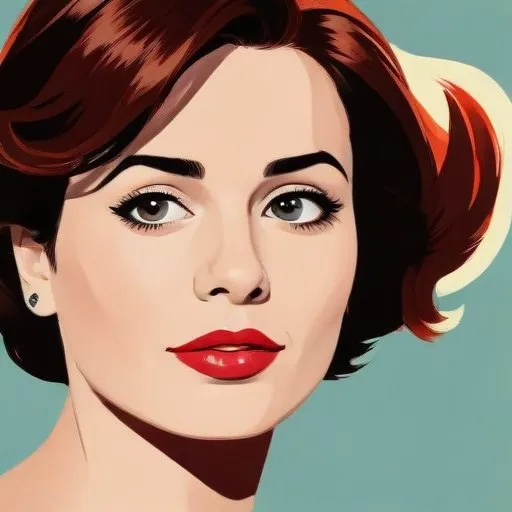
The last queen of France before the French Revolution, known for her Austrian heritage and lavish lifestyle that contributed to the downfall of the monarchy.
Marie Josphine of Savoy, born Maria Giuseppina Luisa, was a princess of France and countess of Provence by marriage to the future King Louis XVIII of France. She was regarded by Bourbon royalist Legitimists as the titular queen of France from 1795 until her death in 1810, although she never held the position in practice.
Marie Josphine was born on September 2, 1753, at the Royal Palace of Turin, as the third child and second daughter of Prince Victor Amadeus of Savoy and Infanta Maria Antonia Ferdinanda of Spain. Her paternal grandfather, Charles Emmanuel III, was the King of Sardinia, making her parents the Duke and Duchess of Savoy.
She had several brothers, including the future kings of Sardinia from the senior line of the House of Savoy: Charles Emmanuel IV, Victor Emmanuel I, and Charles Felix.
In 1771, Marie Josphine married Louis Stanislas, the Count of Provence, a French prince. The marriage was supported by Madame du Barry, who aimed to create an ally within the royal family. The wedding ceremony was held by proxy in the Kingdom of Sardinia, followed by a second ceremony in person at the Palace of Versailles.
Marie Josphine's marriage to Louis Stanislas placed her at the center of French politics. Although she never held actual power, she was a symbol of the Bourbon monarchy and played a significant role in maintaining the legitimacy of the royal family.
During the French Revolution, Marie Josphine's husband assumed the title of King Louis XVIII in 1795, following the death of his nephew, Louis XVII. This made Marie Josphine the titular queen of France, a position she held until her death in 1810.
Marie Josphine was known for her strong character and her devotion to her husband and family. Despite the turmoil of the French Revolution, she remained committed to the Bourbon cause and played a crucial role in maintaining the family's reputation.
Marie Josophine died on November 13, 1810, before her husband actually became king in 1814. Her legacy lies in her unwavering commitment to the Bourbon monarchy and her role as a symbol of the French royal family during a time of great upheaval.
Marie Josophine of Savoy's story is one of devotion, commitment, and resilience in the face of adversity. Her legacy continues to fascinate and inspire, offering a glimpse into the complex and intriguing world of European royalty.
Born in 1820
Unified Italy's first king, who played a key role in the country's unification and modernization. He's remembered for his strong leadership and diplomatic skills.
Born in 1755
The last queen of France before the French Revolution, known for her extravagance and mismanagement of the French economy, which contributed to the downfall of the monarchy.
Born in 1710
The monarch who ruled France from 1715 to 1774, known as the "Sun King's" great-grandson, and remembered for his extravagance, absolutism, and the decline of the French monarchy.
Born in 1338
The King of France from 1364 to 1380, known for his military victories and rebuilding of Paris, earning him the nickname "Charles the Wise".
Born in 1785
The last king of the French monarchy before the French Revolution, known for his tragic and mysterious life, including his imprisonment and disputed death.
Born in 1836
Last king of the Two Sicilies, ruling from 1859 to 1861, known for his brief and tumultuous reign that ended with the unification of Italy.
Born in 1797
Ruler of Tuscany from 1824 to 1859, known for his liberal reforms and modernization of the region. He also played a key role in the unification of Italy.
