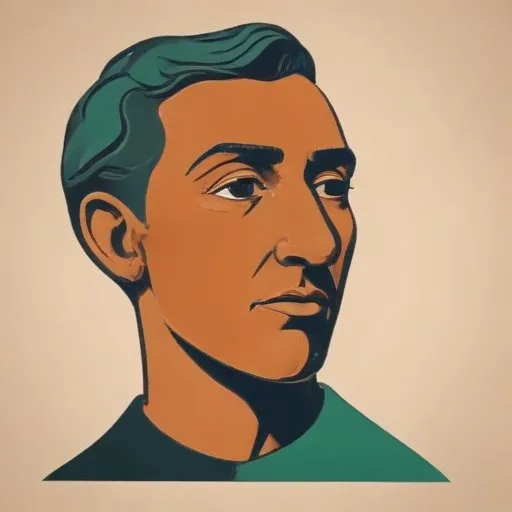
Marino Marini: The Italian Sculptor Who Redefined Modern Art
Marino Marini, a renowned Italian sculptor, and educator, is best known for his iconic and provocative works that revolutionized the art world in the 20th century. His unique blend of traditional techniques and modernist ideals has left an indelible mark on the world of art, making him one of the most influential artists of his time.
Early Life and Education
Born on February 27, 1901, in Pistoia, Italy, Marini's fascination with art began at a young age. He enrolled in the Accademia di Belle Arti in Florence in 1917, where he honed his skills in painting and sculpture. However, it was sculpture that ultimately became his true calling, and he devoted himself primarily to this medium from 1922 onwards.
Influences and Associations
Marini's work was heavily influenced by Etruscan art and the sculpture of Arturo Martini. He also drew inspiration from his associations with prominent artists of the time, including Massimo Campigli,
Giorgio de Chirico, Alberto Magnelli, and Filippo Tibertelli de Pisis, whom he met during his frequent trips to Paris. These interactions not only shaped his artistic style but also helped him develop a network of like-minded creatives.
Awards and Accolades
Marini's talent was recognized early on, and he received the Prize of the Quadriennale of Rome in 1936. This was followed by a solo exhibition at the Hanover Gallery in London in 1950, which solidified his reputation as a rising star in the art world.
Teaching and Mentoring
Marini was not only an accomplished artist but also a dedicated educator. He succeeded Arturo Martini as professor at the Scuola d'Arte di Villa Reale in Monza, near Milan, in 1929, a position he held until 1940. Later, he accepted a professorship in sculpture at the Accademia di Belle Arti di Brera in Milan, where he taught and mentored numerous students, including the famous sculptor Parviz Tanavoli.
Exile and Later Life
During World War II, Marini went into exile in Switzerland, where he continued to work and exhibit his art. In 1946, he returned to Milan and settled permanently. Marini passed away on August 6, 1980, leaving behind a legacy of groundbreaking art that continues to inspire and influence artists to this day.
Legacy and Impact
Marino Marini's contributions to modern art are undeniable. His innovative use of materials and techniques expanded the possibilities of sculpture and paved the way for future generations of artists. Today, his works can be found in museums and private collections around the world, a testament to his enduring influence on the art world.
Quotes and Memorable Sayings
"
I am not a sculptor, I am a seeker of forms." - Marino Marini
This quote encapsulates Marini's approach to art, which was characterized by a relentless pursuit of innovation and exploration.
- Selected Works:
- Pomone (1938-1939)
- The Pilgrim (1943)
- The Angel of the City (1947-1948)
These select works showcase Marini's mastery of sculptural forms and his ability to evoke emotions through his art.
FAQ
What style of sculpture did Marino Marini create?
Marino Marini was known for his modernist and abstract sculptures, which often featured equestrian themes and explored the relationship between rider and horse.
What inspired Marino Marinis artistic style?
Marino Marini was influenced by ancient Greek and Roman art, as well as modernist movements such as Cubism and Futurism.
What is Marino Marinis most famous work?
Marino Marinis most famous work is the series of sculptures known as The Horseman, which features a solitary figure on horseback in various poses and attitudes.
Where can Marino Marinis sculptures be found?
Marino Marinis sculptures can be found in museums and private collections around the world, including the Museum of Modern Art in New York and the Tate Modern in London.
What awards did Marino Marini receive for his art?
Marino Marini received numerous awards and honors for his art, including the Grand Prize for Sculpture at the 1952 Venice Biennale.