


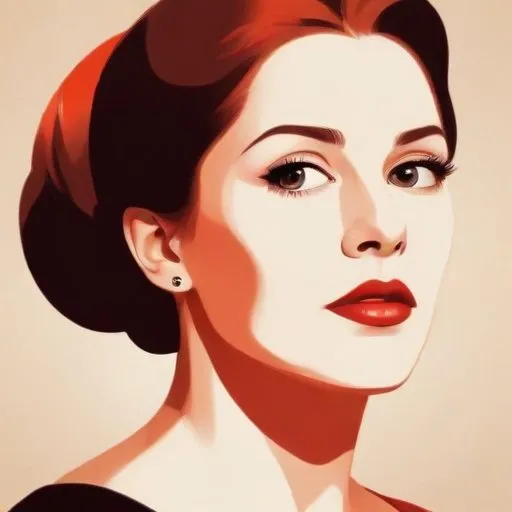
American soprano and actress renowned for her powerful voice and captivating stage presence, particularly in opera and musical theater performances.
Marisa Galvany, a renowned American soprano, is celebrated for her captivating performances in operas and concerts, showcasing her remarkable vocal intensity and mastery of Verdi heroines. With an illustrious career spanning over three decades, Galvany has left an indelible mark on the world of opera.
Born Myra Beth Genis on June 19, 1936, in Paterson, New Jersey, Galvany was the daughter of Samuel J. Genis, a cattle dealer of Lithuanian descent, and Tillie Friedman, a Polish Jewish immigrant. She received her primary musical training under the guidance of Armen Boyajian, a esteemed vocal coach who also mentored notable opera singers such as Paul Plishka and Samuel Ramey.
Galvany made her professional debut at the Seattle Opera in 1968, taking on the title role in Giacomo Puccini's Tosca. The following year, she portrayed the titular heroine in Simon Mayr's Medea in Corinto, which was recorded for Vanguard. Her breakthrough performance came in 1972, when she made her international debut at the Palacio de Bellas Artes in Mexico City, singing the title role in Giuseppe Verdi's Aida.
In 1972, Galvany was offered a contract to join the roster of principal singers at the New York City Opera by Julius Rudel. This association marked a significant milestone in her career, as she went on to perform with the company for over a decade, showcasing her versatility in a wide range of roles. Her repertoire included Elisabetta in Maria Stuarda, Abigaille in Nabucco, Amelia in Un ballo in maschera, and Gilda in Rigoletto, among others.
Galvany's collaborations extended beyond the New York City Opera, as she performed with esteemed companies such as the Philadelphia Lyric Opera Company and the Canadian Broadcasting Company. In 1973, she filmed her critically acclaimed performance as Lady Macbeth in Macbeth, opposite Louis Quilico, which aired on the Canadian Broadcasting Company.
Marisa Galvany's remarkable career has left an indelible mark on the world of opera. Her vocal intensity, dramatic flair, and mastery of Verdi heroines have inspired generations of opera singers and enthusiasts alike. As a testament to her enduring legacy, Galvany's performances continue to captivate audiences, solidifying her position as one of the most celebrated sopranos of her era.
97 Years Old
A celebrated opera singer and actress, known for her vibrant voice, captivating stage presence, and iconic performances in operas like "The Barber of Seville" and "Manon".
67 Years Old
A world-renowned soprano and actress, celebrated for her stunning vocal range and captivating performances in opera, musical theater, and film.
Born in 1923
A legendary soprano and actress renowned for her iconic opera performances and captivating stage presence, particularly in Verdi and Puccini roles.
99 Years Old
Renowned for her powerful, expressive voice and iconic performances in operas like "Aida" and "Tosca", she is a trailblazing soprano who broke racial barriers in the opera world.
Born in 1914
Renowned soprano and educator, celebrated for her radiant voice and innovative teaching methods, leaving a lasting impact on the world of opera and vocal pedagogy.
Born in 1913
A celebrated soprano and actress, known for her iconic performances in opera and musical theater, particularly in the 1940s and 1950s.
Born in 1898
A renowned soprano and actress, celebrated for her pure, silvery tone and captivating stage presence, particularly in opera and film performances during the 1930s-1950s.
Born in 1923
A renowned Spanish soprano and actress, celebrated for her pure, expressive voice and iconic performances in opera and film, particularly in the 1940s and 1950s.
