


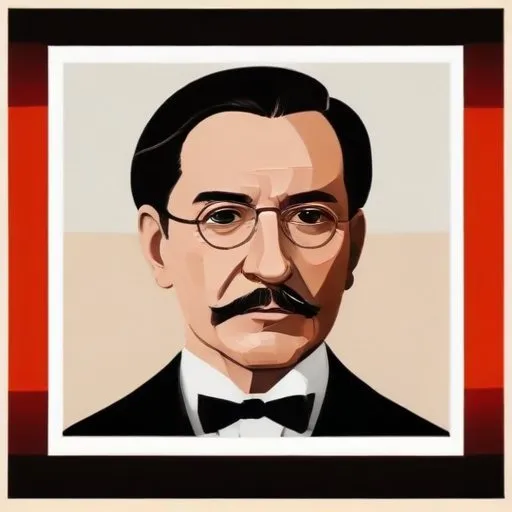
A renowned composer and educator who contributed significantly to the development of opera and music education in 19th-century Germany, leaving a lasting legacy in the world of classical music.
Simon Mayr, a German composer, is renowned for his pivotal role in bridging the gap between the Classical and Romantic musical eras. Born on June 14, 1763, in Mendorf, Bavaria, Mayr's music embodied the spirit of transformation, reflecting the changing tides of the late 18th and early 19th centuries.
Mayr's journey began with theological studies at the University of Ingolstadt, where he was influenced by the ideals of the French Enlightenment and the Illuminati. He later pursued music lessons with Carlo Lenzi and Ferdinando Bertoni in Italy. In 1802, he became the maestro di cappella at the Cathedral of Bergamo, a position he held until his passing.
In 1805, Mayr founded the Bergamo Conservatory, known as the Lezioni Caritatevoli di Musica, which became a hub for musical excellence in the region. One of his most notable pupils was Gaetano Donizetti, who would go on to become a prominent composer in his own right.
Mayr's oeuvre includes nearly 70 operas, as well as a range of sacred music, symphonies, and chamber works. Although his music is not as widely performed today, his influence on the development of Romantic music is undeniable. He introduced Ludwig van Beethoven's music to Bergamo, paving the way for future generations of composers.
Mayr's commitment to musical education and his establishment of the Bergamo Conservatory have had a lasting impact on the musical landscape. His emphasis on nurturing young talent and promoting musical excellence has inspired countless musicians and composers.
Despite facing personal struggles, including blindness towards the end of his life, Mayr remained dedicated to his craft. He passed away on December 2, 1845, and was buried in the Basilica di Santa Maria Maggiore in Bergamo, near the tomb of his pupil, Gaetano Donizetti.
In recent years, there has been a growing interest in Mayr's music, with recordings of his operas, such as "Ginevra di Scozia," helping to revive his legacy.
Mayr's Zibaldone, or Notebooks, provide valuable insights into his philosophical beliefs and artistic vision. His music reflects his commitment to the ideals of the Enlightenment and his passion for innovation and progress.
Mayr's life and work are a testament to the power of creativity and perseverance. He lived through a time of great change and upheaval, and his music continues to inspire and influence composers to this day.
Did you know that Mayr was closely associated with the Illuminati during his student days in Ingolstadt?
Mayr's music is a testament to his innovative spirit and his dedication to the pursuit of excellence. He may not be a household name, but his influence on the world of music is undeniable.
81 Years Old
The 20th Director of the Central Intelligence Agency, a four-star general who oversaw the NSA and CIA, playing a pivotal role in shaping US national security and intelligence policies. Known for his controversial stances on surveillance and torture.
Born in 1756
A child prodigy and master of classical music, he composed over 600 works, including symphonies, operas, and chamber music, that continue to inspire and influence musicians today.
Born in 1770
A musical genius who expanded the possibilities of classical music, creating iconic symphonies and piano sonatas that continue to inspire and influence generations of artists.
Born in 1797
A renowned composer of symphonies, operas, and chamber music, particularly famous for his emotional and expressive lieder (art songs) that showcased his mastery of melody and harmony.
Born in 1792
Operatic mastermind behind iconic comedies like "The Barber of Seville" and "William Tell," crafting catchy, witty, and playful music that still delights audiences today.
Born in 1797
A renowned Italian composer of the Romantic era, best known for his operas, particularly "L'elisir d'amore" and "Don Pasquale", which are still widely performed today.
Born in 1714
A pioneering opera composer who revolutionized the art form with his innovative and expressive works, blending music and drama in a way that captivated audiences.
