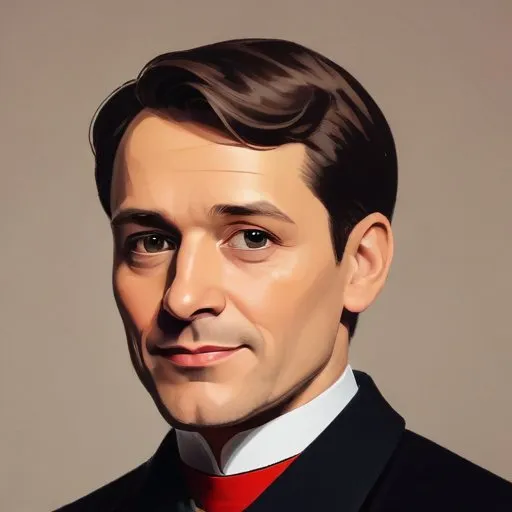
Martin Krber: The Harmonious Soul of Estonia
A Life of Melodies and Devotion
Martin Georg Emil Krber, a Baltic German pastor, composer, writer, and choir leader, is renowned for his profound impact on Estonian cultural heritage. With a legacy that spans over 1,000 sacred and secular songs in German and Estonian, Krber's artistic genius continues to reverberate through the ages.
Early Life and Education
Born on July 29, 1817, in Vnnu (now part of Estonia), Krber was the son of Pastor Edward Philipp Krber. He received his theological education at the University of Tartu, following in the footsteps of his older brother, Carl Eduard Krber, a pastor and writer.
A Teaching Soul
Krber's early career saw him as a teacher in Kuressaare from 1842 to 1845. This period laid the foundation for his subsequent work as a pastor, where he could nurture the minds and spirits of his community.
Choral Concerts and Song Festivals
In 1862, Krber organized a choral concert in Kuressaare, which was a groundbreaking event in Estonian cultural history. This was followed by one of the first song festivals in Estonia on the Srve Peninsula in 1863. These events not only showcased Krber's musical prowess but also brought the community together in a celebration of song and spirit.
Literary Contributions
Krber's literary output was as impressive as his musical talent. He published a catechism in 1846, which saw over 300,000 copies printed. His magnum opus, _Oesel Einst und Jetzt_ (_Saaremaa, Then and Now_), a three-volume history of Saaremaa in German, was published between 1887 and 1915.
Legacy
Martin Krber's legacy is a testament to the power of art and devotion. His life's work has left an indelible mark on Estonian cultural heritage, inspiring generations to come. Through his music, writing, and teaching, Krber has become an integral part of Estonia's rich tapestry, weaving together the threads of faith, community, and creativity.
Personal Milestones and Key Life Events
- 1842-1845: Teacher in Kuressaare
- 1846: Published a catechism
- 1862: Organized a choral concert in Kuressaare
- 1863: Organized one of the first song festivals in Estonia on the Srve Peninsula
- 1875: Retired as a pastor
- 1887-1915: Published _Oesel Einst und Jetzt_ (_Saaremaa, Then and Now_)
- 1893: Passed away in Kuressaare
Impact on Estonian Culture
Krber's contributions to Estonian culture are multifaceted and far-reaching. His music and writing have inspired a nation, fostering a sense of community and pride. As a cultural ambassador, Krber's work has transcended borders, showcasing the beauty and richness of Estonian heritage to the world.
FAQ
What was Martin Körbers role in the development of German church music?
Martin Körber was a prominent German pastor, composer, and conductor who played a significant role in the development of German church music. He was a key figure in the revival of chorale music and helped shape the course of German Protestant church music.
How did Martin Körber contribute to the preservation of German church music traditions?
Martin Körber contributed significantly to the preservation of German church music traditions, collecting and publishing numerous chorales, hymns, and other sacred works. His efforts helped ensure the survival of Germanys rich musical heritage and paved the way for future generations of composers and musicians.
What was Martin Körbers involvement in the German chorale movement?
Martin Körber was a leading figure in the German chorale movement, which sought to revive and promote traditional German church music. He composed numerous chorales and hymns, and his work helped popularize the genre among German churches and congregations.
How did Martin Körbers work influence the development of German music education?
Martin Körbers work had a significant impact on the development of German music education. His compositions and arrangements helped shape the curriculum of German music schools and conservatories, and his emphasis on sacred music helped establish it as a central part of German musical culture.
What is Martin Körbers legacy in German church music and culture?
Martin Körbers legacy in German church music and culture is one of inspiring beauty and devotion. His work continues to be celebrated and performed in German churches and concert halls, and his influence can be seen in the work of many German composers and musicians. Körbers contributions to German church music have helped shape the countrys cultural identity and continue to enrich its spiritual life.