


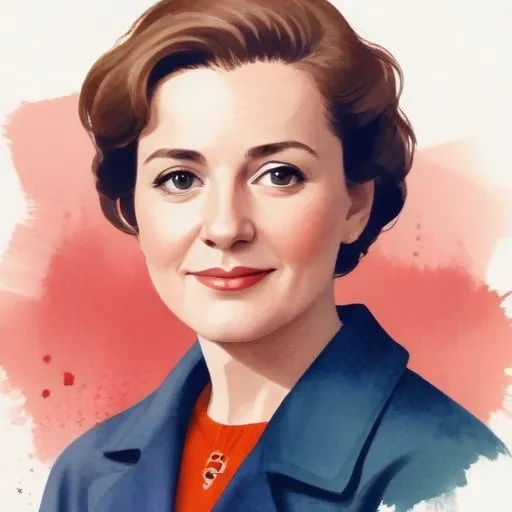
Pulitzer Prize-winning playwright behind the iconic comedy "Harvey," which has been adapted into films and stage productions, bringing joy and whimsy to audiences worldwide.
Mary Coyle Chase, an American journalist, playwright, and children's novelist, is best known for her 1944 Broadway play "Harvey," which was adapted into the iconic 1950 film starring James Stewart. This beloved comedy has become a staple of American cinema, but Chase's contributions to the world of theatre, journalism, and literature extend far beyond this single masterpiece.
Born Mary Agnes McDonough Coyle on February 25, 1906, in Denver, Colorado, Chase grew up in the working-class Baker neighborhood, surrounded by thestories of Irish myths and legends told by her mother and uncles. Her older brother, Charlie Coyle, a circus clown, had a profound impact on her sense of comedy, and she often imitated his mimicry, one-liners, and comic routines.
In 1924, Chase began her career as a journalist on the Denver Times and Rocky Mountain News, where she started writing on the society pages before becoming a feature writer. Her unique reporting style, which blended humor and emotional depth, earned her the nickname "our Lil Mary" among readers.
After leaving the Rocky Mountain News in 1931, Chase pursued a career in playwriting, producing 14 plays, two children's novels, and one screenplay. Three of her plays were adapted into Hollywood films, including "Sorority House" (1939), "Harvey" (1950), and "Bernardine" (1957).
Chase's most famous play, "Harvey," tells the story of Elwood P. Dowd, a gentle and eccentric man who befriends a 6'3" invisible rabbit named Harvey. The play's themes of kindness, tolerance, and the power of imagination have made it a timeless classic, enjoyed by audiences for generations.
Chase's contributions to American theatre were recognized with a Pulitzer Prize for Drama in 1945 for "Harvey." She was also awarded the New York Drama Critics' Circle Award for Best Play in 1945.
Chase remained in Denver throughout her life, raising a family while pursuing her passion for writing. Her commitment to her craft and her community inspired countless individuals, and her work continues to delight audiences today.
Mary Coyle Chase's remarkable career serves as a testament to the power of creativity, perseverance, and passion. Her work continues to inspire new generations of writers, artists, and thinkers, reminding us of the importance of kindness, empathy, and imagination in our daily lives.
As we look back on Chase's remarkable life and legacy, we are reminded of the enduring impact of her work on American popular culture. Her contributions to theatre, journalism, and literature will continue to delight, inspire, and enrich our lives for years to come.
Born in 1905
Pioneering playwright and screenwriter who crafted intricate, socially conscious dramas that probed the human condition, often focusing on moral dilemmas and personal relationships.
Born in 1893
A witty and insightful writer who crafted poetry, short stories, and critiques that continue to delight readers with their clever wordplay and sharp observations.
Born in 1903
A trailblazing woman who excelled in multiple fields, penning hit plays, reporting on politics, and serving as a diplomat, leaving a lasting mark on American culture and international relations.
Born in 1896
Academy Award-winning actress and screenwriter, known for her iconic roles in films like "Rosemary's Baby" and "Harold and Maude", as well as her trailblazing work as a female writer in Hollywood.
Born in 1893
Pioneering silent film star and director, known for her iconic performances in classics like "The Birth of a Nation" and "Broken Blossoms".
Born in 1922
A talented actress who starred in over 80 films, including iconic roles in "Sound of Music" and "Detective Story", earning three Academy Award nominations.
Born in 1879
A pioneering birth control activist who advocated for women's reproductive rights and founded the American Birth Control League, precursor to Planned Parenthood.
Born in 1892
A renowned author who wrote about Chinese culture and experiences, winning the Nobel Prize in Literature in 1938 for her vivid portrayals of rural Chinese life.
