


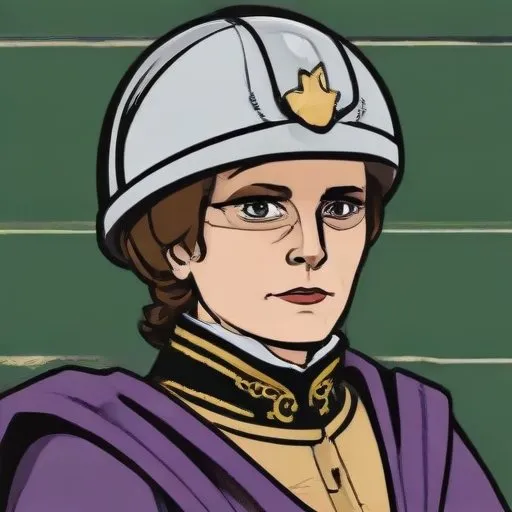
Pioneering figure in the women's suffrage movement, fighting for women's right to vote and own property, and instrumental in securing key victories in the struggle for women's equality.
Mary Harris Armor, affectionately known as the "Georgia Cyclone," was a formidable force in the temperance movement, credited with spearheading the passage of prohibition legislation in Georgia. With her unwavering dedication and persuasive oratory skills, she left an indelible mark on the American social landscape.
Mary Elizabeth Harris was born on March 9, 1863, in Georgia to physician William Harris. Her life's purpose became clear when she married Walter Florence Armor in August 1883. As a devoted wife and advocate for social reform, she embarked on a journey that would define her legacy.
Armor's tireless efforts as the state president of the Women's Christian Temperance Union (WCTU) propelled her to national prominence. Between 1903 and 1915, she lobbied Congress to protect women and children through prohibition legislation. Her impassioned speeches and unrelenting advocacy led to the passage of a statewide prohibition law in 1907, earning her recognition as the "voice that aroused the Christian conscience of the State and put it on the march."
Armor's commitment to the cause was rewarded with an honorary law degree from Wesleyan College in 1918. Her influential voice traveled beyond American borders, taking her to New Zealand in the 1920s to promote prohibition. The president of the Women's Christian Temperance Union New Zealand (WCTU NZ) organized a grand welcome upon her arrival in Wellington, complete with parties, receptions, and a formal introduction to the Prime Minister.
Mary Harris Armor's unwavering commitment to the temperance movement left an enduring legacy, shaping the social fabric of America. Her pioneering efforts continue to inspire generations of advocates, cementing her place as a remarkable figure in American history.
As a champion of prohibition, Armor remains an instrumental figure, remembered for her fearlessness, passion, and unrelenting pursuit of social reform. Her story serves as a powerful reminder of the transformative power of dedication, perseverance, and an unshakeable commitment to creating a better world.
Born in 1820
Pioneering figure in the women's suffrage movement, fighting for women's right to vote and own property. Her tireless efforts led to significant advancements in women's rights.
Born in 1815
Pioneering women's rights activist who led the women's suffrage movement, fighting for women's right to vote and own property.
Born in 1885
A pioneering figure in the women's suffrage movement, fighting for equal rights and voting privileges through nonviolent protests and strategic lobbying. Her legacy continues to inspire feminist activism today.
Born in 1859
Founded the League of Women Voters and International Alliance of Women, a pioneering figure in the women's suffrage movement, fighting for women's right to vote and equality.
Born in 1793
A pioneering Quaker minister and women's rights activist who fought for abolition and women's suffrage, playing a key role in the Seneca Falls Convention.
Born in 1862
A pioneering African American journalist and anti-lynching crusader who exposed the horrors of racial violence in the South through her writing and activism.
Born in 1879
A pioneering birth control activist who advocated for women's reproductive rights and founded the American Birth Control League, precursor to Planned Parenthood.
