


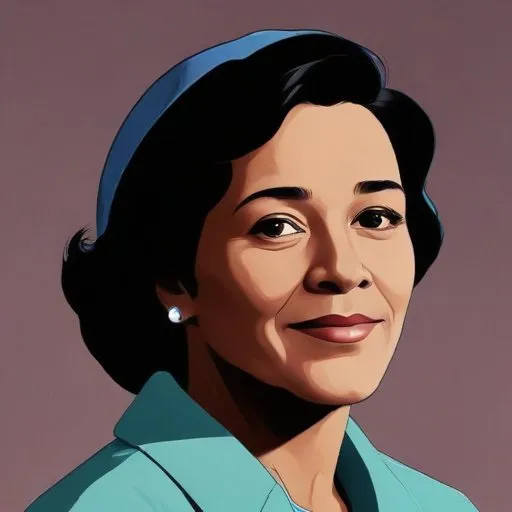
An American environmental activist who fought for racial and environmental justice, particularly in the rural South, and was a key figure in the Civil Rights Movement.
Mary Ivy Burks, a pioneering environmental activist, is renowned for her instrumental role in shaping Alabama's environmental policies and preserving the state's natural beauty. As the founder and first president of the Alabama Conservancy, Burks dedicated her life to protecting the state's wilderness areas, earning her the esteemed title of "Mother of Alabama Wilderness."
Burks was born Mary Louise Ivy on December 11, 1920, in Birmingham, Alabama, to Earl and Lorene Ivy. She graduated from Birmingham-Southern College in 1942 with a degree in English. Following her graduation, Burks worked as a reporter for the Birmingham Post, where she honed her writing skills and developed a passion for storytelling.
In 1946, Burks married organic chemist Robert E. Burks Jr., and the couple had a son, Robert Ivy Burks. While raising her child, Burks volunteered in her community, where she met Blanche Evans Dean, a self-trained botanist and activist. Dean's passion for environmental conservation inspired Burks to become involved in the cause, setting her on a path that would change the face of Alabama's environmental landscape.
By the 1960s, Burks and fellow members of the Birmingham Audubon Society recognized the need for a nonprofit organization separate from the state to address Alabama's environmental concerns. In 1967, the Alabama Conservancy was established, with Burks at the helm as its first president. The organization's inaugural meeting was held in the Burks' home, marking the beginning of a new era in Alabama's environmental movement.
The Alabama Conservancy's first major project was to save Dismals Canyon, a nature park in Franklin County, Alabama, home to the rare and magical dismalites. These glowworms attract food and mates by releasing a bright green light, making Dismals Canyon a unique and precious natural wonder. Burks and the Conservancy fought to prevent commercial companies from purchasing the canyon, seeking help from national organizations like The Nature Conservancy. Although the project ultimately failed due to funding constraints, it paved the way for the development of the state-specific Alabama Conservancy.
The Wilderness Act of 1964 threatened to destroy national forests across the nation, including Alabama's Sipsey Wilderness. Burks and the Alabama Conservancy joined forces to protect this precious wilderness area, which is now one of the state's most treasured natural assets.
Mary Ivy Burks' tireless efforts have left an indelible mark on Alabama's environmental landscape. Her dedication to preserving the state's wilderness areas has inspired generations of environmental activists and ensured the protection of Alabama's natural beauty for future generations. Today, the Alabama Conservancy, now known as the Alabama Environment Council, continues to carry on Burks' legacy, fighting to protect the state's environment and promote sustainable practices.
Burks' contributions to Alabama's environmental movement have been recognized with numerous awards and honors, including her induction into the Alabama Environmental Hall of Fame.
"We must take responsibility for the stewardship of our planet, for the sake of future generations and for the sake of our own humanity."
"The beauty of Alabama's wilderness areas is a gift, and it is our duty to preserve it for generations to come."
Mary Ivy Burks' story serves as a powerful reminder of the impact one person can have on their community and the world at large. Her unwavering dedication to environmental conservation has left a lasting legacy, inspiring countless individuals to take action and make a difference.
Born in 1907
Pioneering biologist and environmentalist who exposed the dangers of pesticides and inspired the modern environmental movement through her groundbreaking book "Silent Spring".
Born in 1838
A pioneering conservationist and writer who advocated for the preservation of America's wilderness and national parks, inspiring generations to appreciate and protect the natural world.
86 Years Old
The Lord-Lieutenant of Greater London, responsible for supporting the monarch and representing the crown in the city, and known for their ceremonial and civic duties. They play a key role in promoting London's interests and fostering community spirit.
Born in 1902
Pioneering landscape photographer and conservationist capturing iconic black-and-white images of the American West, advocating for environmental protection through art.
Born in 1887
Pioneering ecologist and author who advocated for land ethics and conservation, inspiring a new generation of environmentalists.
Born in 1902
Pioneering conservationist and writer who advocated for wilderness preservation and wildlife protection, inspiring a generation of environmentalists through her writings and activism.
