


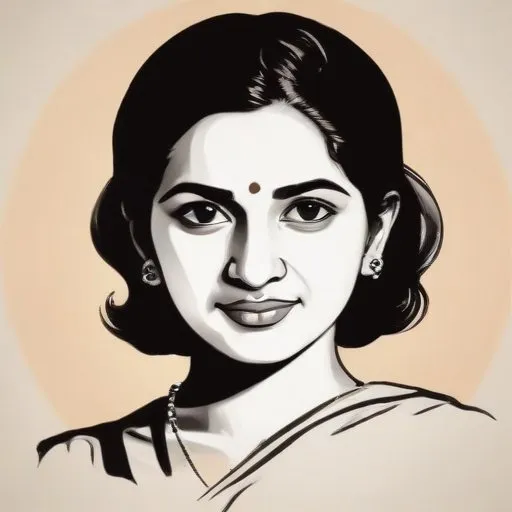
Renowned Kannada writer and educator, known for his contributions to Kannada literature and his efforts to promote the language and culture. He was a prolific writer, producing many novels, plays, and essays that explored themes of social reform and Indian identity.
Masti Venkatesha Iyengar, affectionately known as Maasti, Kannada's Treasure, was a renowned writer in the Kannada language, and one of the most celebrated authors of his time. He is most famous for his captivating short stories, which have left an indelible mark on the literary landscape of India.
Maasti was born on June 6, 1891, in Hungenahalli, Kolar district, Karnataka, to a Tamil-speaking Sri Vaishnavaite Iyengar Brahmin family. He spent his early childhood in Maasti village, which would later inspire his pen name, Srinivasa.
He pursued his higher education at Madras University, earning a Master's degree in English literature in 1914. This strong educational foundation would later influence his writing style and literary contributions.
Maasti's literary journey began in 1910 with the publication of his first work, Rangana Maduve. Over the next seven decades, he would go on to write over 123 books in Kannada and 17 in English, solidifying his position as one of the most prolific writers of his time.
His notable works include Kelavu Sanna Kathegalu (Some Short Stories), which marked a significant milestone in modern Kannada literature. He also composed and translated several plays and poems on various philosophic, aesthetic, and social themes.
Maasti's literary excellence was recognized with the prestigious Jnanpith Award in 1983 for his novel Chikka Veera Rajendra. This honor, the highest literary award in India, cemented his position as a literary giant.
In addition to the Jnanpith Award, he was also conferred the title Rajasevasakta by the Maharaja of Mysore, Nalvadi Krishnaraja Wadeyar, in recognition of his contributions to Kannada literature.
Maasti's work has had a profound impact on Kannada literature and language. His unique style, which blended traditional and modern elements, has inspired generations of writers and readers alike.
Through his writings, he has left behind a rich cultural heritage, which continues to be celebrated and studied in India and around the world. His legacy is a testament to the power of literature to transcend time and borders, shaping the minds and hearts of people across generations.
Notable Works:
Maasti's life and work serve as a beacon of inspiration, reminding us of the transformative power of literature to shape our understanding of the world and ourselves. As we reflect on his remarkable journey, we are reminded of the enduring legacy of this literary treasure, Masti Venkatesha Iyengar.
Born in 1861
A Bengali polymath who wrote extensively on love, nature, and humanity, creating a unique blend of Indian and Western literary styles, and was the first non-European to win the Nobel Prize in Literature.
Born in 1879
A pioneering Indian poet and activist who used her lyrical voice to advocate for women's rights and Indian independence, leaving a lasting legacy in Indian literature and politics.
Born in 1889
India's first Prime Minister, a key figure in the country's struggle for independence from British rule, and a champion of democracy and secularism. He played a crucial role in shaping modern India's government and economy.
Born in 1897
Indian freedom fighter and politician who led the Indian National Army against British rule and was a key figure in the country's struggle for independence. He is also known for his mysterious disappearance in 1945.
Born in 1872
An Indian spiritual leader who developed a philosophy of integral yoga, aiming to unite spiritual growth with worldly life, and wrote extensively on spirituality, philosophy, and poetry.
Born in 1878
The first Indian Governor-General of India, serving from 1948 to 1950, and a key figure in the country's struggle for independence from British rule. He was a strong advocate for non-violent resistance and played a crucial role in shaping India's early years.
