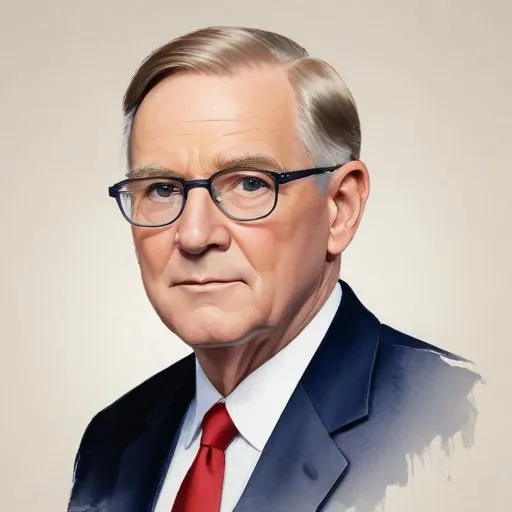
Maurice J. Tobin: The Champion of Labor and Liberal Politics
A Legacy of Public Service and Advocacy
Maurice J. Tobin, the 46th Mayor of Boston, 56th Governor of Massachusetts, and 6th United States Secretary of Labor, left an indelible mark on American politics with his unwavering commitment to labor unions and liberal policies. Throughout his illustrious career, Tobin championed the rights of workers, fought for social justice, and advocated for progressive reforms that transformed the nation's political landscape.
Early Life and Career
Born on May 22, 1901, in Mission Hill, Boston, Massachusetts, Tobin was deeply rooted in the highly politicized Irish Catholic community. His father,
James Tobin, a carpenter, and his mother, Margaret Daly, instilled in him the values of hard work and public service. After completing evening classes at Boston College, Tobin worked for Conway Leather and New England Telephone before entering politics as a protégé of the legendary James Michael Curley.
Rise to Prominence
Tobin's political career began in 1927 when he was elected to the Massachusetts House of Representatives at the age of 25. He served until 1929 and later became a member of the Boston School Committee from 1931 to 1937. In 1937, Tobin stunned the political establishment by defeating his mentor, Curley, in the mayoral election, becoming the Mayor of Boston at the age of 36.
Mayoralty and Governorship
During his tenure as Mayor of Boston (1938-1945), Tobin implemented several reforms, including the Fair Employment Practices Bill, which prohibited discrimination based on race, color, creed, and national origin in hiring or promotion practices. He also smoothed over contentious battles with the federal government over access to New Deal relief funding. Tobin's fiscal conservatism and commitment to labor unions earned him the respect of both workers and business leaders. In 1949, Tobin was elected as the 56th Governor of Massachusetts, a position he held until 1953.
United States Secretary of Labor
In 1948, Tobin was appointed as the 6th United States Secretary of Labor by President
Harry S. Truman, becoming the first Bostonian to hold the position. As Secretary of Labor, Tobin played a crucial role in shaping the nation's labor policies, advocating for fair wages, and promoting collective bargaining rights.
Personal Milestones and Key Life Events
Tobin married Helen Noonan in 1932, and they had three children together. He was known for his warm personality, integrity, and strong work ethic. Throughout his life, Tobin remained committed to his Irish Catholic roots and his community, often citing the importance of faith and family in shaping his political worldview.
Philosophical Contributions and Beliefs
Tobin's liberal politics and support for labor unions were deeply rooted in his philosophical beliefs. He believed in the inherent dignity of work and the importance of social justice. Tobin's commitment to progressive reforms and his advocacy for workers' rights earned him recognition as a champion of the American labor movement.
Influence on Modern Society
Maurice J. Tobin's legacy extends far beyond his political accomplishments. He played a significant role in shaping the nation's labor policies, advocating for social justice, and promoting collective bargaining rights. Tobin's commitment to liberal politics and his support for labor unions continue to inspire generations of politicians, labor leaders, and social activists.
Career Highlights and Major Works
- 46th Mayor of Boston (1938-1945)
- 56th Governor of Massachusetts (1949-1953)
- 6th United States Secretary of Labor (1948-1953)
- Advocate for the Fair Deal and New Deal programs
- Champion of labor unions and collective bargaining rights
Historical Context and Legacy
Maurice J. Tobin's life and career were shaped by the tumultuous events of the 20th century, including the Great Depression and World War II. His commitment to liberal politics and labor unions helped shape the nation's response to these crises, earning him a place among the most influential figures in American politics. Today, Tobin's legacy continues to inspire politicians, labor leaders, and social activists, serving as a testament to the power of public service and advocacy.