


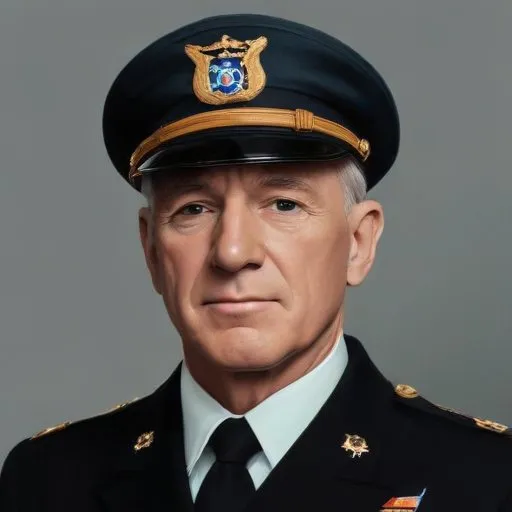
American captain who received the Medal of Honor for his heroic actions during the attack on Pearl Harbor, sacrificing his life to save his crew. He is remembered for his bravery and selflessness.
Mervyn Sharp Bennion was a United States Navy captain who will forever be remembered for his extraordinary courage and selflessness during the Japanese attack on Pearl Harbor in World War II. Posthumously awarded the Medal of Honor, Bennion's actions on December 7, 1941, exemplified the highest ideals of naval service, setting a shining example for generations of sailors to come.
Born on May 5, 1887, in Vernon, Utah Territory, Bennion was raised in a family of devout members of the Church of Jesus Christ of Latter-day Saints. His Welsh grandfather, John Bennion, had immigrated to Utah with the Mormon pioneers and established successful cattle operations near Taylorsville, Utah. This strong family tradition of faith and hard work would shape Bennion's character and inform his later decisions as a naval officer.
Graduating third in his 1910 class from the United States Naval Academy, Bennion went on to serve with distinction in various capacities, including as an ordnance and gunnery specialist during World War I. His subsequent assignments included command of the destroyer USS Bernadou and Destroyer Division One, before assuming command of the USS West Virginia on July 2, 1941.
On December 7, 1941, Bennion's USS West Virginia was moored at Ford Island, Pearl Harbor, when the Japanese launched their surprise attack. As the ship came under heavy fire, Bennion was mortally wounded by a shrapnel shard from the nearby USS Tennessee. Despite his injuries, he refused to leave his post, instead directing his men to save themselves while he remained at the helm, using one arm to hold his wounds closed. His ultimate sacrifice, giving his life for his country, inspired his crew and cemented his place in the annals of American history.
In recognition of his extraordinary courage and devotion to duty, Bennion was posthumously awarded the Medal of Honor, the United States' highest award for valor. His legacy extends beyond this singular honor, however, as his selflessness and leadership have inspired generations of sailors and citizens alike. The USS Bennion (DD-662), a Fletcher-class destroyer, was named in his honor and served during World War II.
Bennion's life was marked by a strong sense of duty, courage, and compassion. His commitment to his country and his crew inspired loyalty and respect from those who served with him. His personal qualities, including his integrity, discipline, and selflessness, serve as a shining example for all who aspire to lead and serve with honor.
Bennion's sacrifice occurred in the midst of one of the most pivotal moments in American history, as the nation was drawn into the global conflict of World War II. His actions, and those of his fellow sailors, helped to galvanize the American people, inspiring a shared sense of purpose and resolve that would ultimately contribute to the Allied victory.
Today, Mervyn S. Bennion's courageous example continues to inspire Americans of all walks of life. His Medal of Honor, proudly displayed at the United States Naval Academy, serves as a poignant reminder of the ultimate sacrifice he made in service to his country. As we reflect on his life and legacy, we are reminded of the enduring power of courage, duty, and devotion to others.
Born in 1884
Led the Imperial Japanese Navy during World War II, masterminding the surprise attack on Pearl Harbor, and later became a symbol of Japanese military power and strategy.
Born in 1885
Led the U.S. Pacific Fleet to victory in World War II, playing a crucial role in defeating Japan and ending the war. He was a highly respected and decorated naval leader.
Born in 1886
A highly decorated naval officer who played a crucial role in several key battles in World War II, including the Battle of Midway, and later served as a diplomat.
Born in 1882
A five-star admiral who played a crucial role in the Allied victory in World War II, leading the US Navy to several key victories in the Pacific Theater. He's also known for his bold and unconventional tactics.
Born in 1880
A highly decorated military leader and statesman who played a crucial role in shaping post-WWII foreign policy and was awarded the Nobel Peace Prize for his efforts. He's most known for authoring the Marshall Plan, a massive economic aid program that helped rebuild war-torn Europe.
Born in 1890
Led the Allied forces to victory in World War II and later served as President, maintaining peace and prosperity during the Cold War era. He's known for his strategic leadership and diplomatic skills.
Born in 1880
A highly decorated war hero and master strategist who led troops to victory in World War I and II, and later became a prominent figure in the occupation of Japan.
