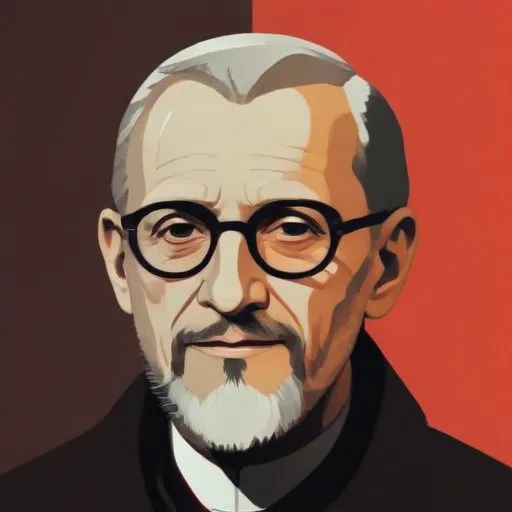
Michael Altenburg: The Theologian-Composer Who Shaped German Music
A Life of Devotion and Harmony
Michael Altenburg, a German theologian, and composer, is renowned for his remarkable contributions to the world of music, particularly in the realms of vocal concertos, motets, and chorales. Born on May 27, 1584, in Alach, near Erfurt, Altenburg's life was a testament to his unwavering dedication to his faith and his art.
The Early Years: Education and Inspiration
Altenburg's educational pursuits began in Erfurt, where he attended school from 1590. He later enrolled at the University of Erfurt in 1598, earning a bachelor's degree in 1599 and a master's degree in 1603. This solid foundation in theology laid the groundwork for his future endeavors as a pastor and composer.
A Career of Music and Ministry
Altenburg's professional life was marked by a series of notable positions, each showcasing his dual talents as a theologian and composer. From 1600 to 1607, he taught at the Reglerschule in Erfurt, assuming the role of Kantor at St. Andreas in 1601. He then went on to serve as rector of the school at St. Andreas, a position he held until 1609. During this period, he began publishing music, drawing comparisons to the esteemed Orlando di Lasso.
Compositional Outputs and Innovations
Altenburg's compositional output is characterized by its remarkable breadth and diversity. His works include:
- Passion after Isaiah ch. 53 for eight voices (Erfurt, 1608)
- Marriage motet for eight voices (Erfurt, 1613)
- Gaudium Christianum (Jena, 1617)
- Musikalischer Schirm und Schild der Brger etc. oder der 55. Psalm a 6 (Erfurt, 1618)
- Cantiones de adventu (Erfurt, 1620)
- Erster Theil Newer Lieblicher vnd Zierlicher Intraden a 6 (Erfurt, 1620)
- Christliche liebliche und andchtige neue Kirchen und HausGesnge a 5, 6, 8 (3 Vols., Erfurt, 1620-1621)
- Musikalische Weihnachts und NeujahrsZierde for 49 voices (Erfurt, 1621)
- Musikalisches Festgefge for 5 to 14 voices (Four vols, only 3rd and 4th survive, Erfurt, 1623)
A Legacy Shaped by Adversity
Despite his accomplishments, Altenburg's life was not without its challenges. The Thirty Years' War and the outbreak of a devastating plague in 1636, which claimed the lives of his wife and ten of his children, left an indelible mark on his life and work. Yet, even in the face of adversity, Altenburg persevered, continuing to compose and publish music until his passing on February 12, 1640.
A Lasting Impact on German Music
Michael Altenburg's contributions to German music and theology remain unparalleled. His innovative compositions, which blended faith and artistry, continue to inspire and enrich audiences to this day. As a testament to his enduring legacy, Altenburg's works remain an integral part of Germany's rich cultural heritage.
FAQ
What is Michael Altenburgs role in German religious history?
Michael Altenburg was a German theologian and composer who played a key role in the Protestant Reformation. He is known for his contributions to Lutheran hymnody and his work as a pastor and theologian.
What is Michael Altenburgs most famous hymn?
Michael Altenburgs most famous hymn is Nun bitten wir den Heiligen Geist, a popular Lutheran hymn still sung today.
How did Michael Altenburgs theology shape his music?
Michael Altenburgs theology had a significant impact on his music, as he sought to create hymns that were both theologically sound and musically beautiful.
What is Michael Altenburgs legacy in Lutheran music?
Michael Altenburgs legacy in Lutheran music is significant, as he is considered one of the most important hymn writers of the early Lutheran Church.
How did Michael Altenburgs work influence later Lutheran composers?
Michael Altenburgs work had a significant influence on later Lutheran composers, including prominent figures such as Johann Sebastian Bach and George Frideric Handel.