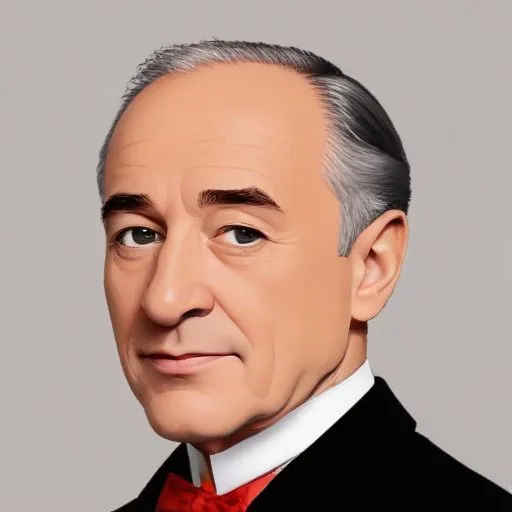
Michel Pignolet de Montéclair

Michel Pignolet de Montéclair

Michel Pignolet de Montéclair was born on December 4th, 1667

Full Name: Michel Pignolet de Montéclair
Nationality: French
Occupation: Composer and Educator
Born: 1667
Died: 1737
Notable Work: Jephté
Style: French Opera
Influence: French Music

A French Baroque composer and educator, known for his contributions to the development of the French opera and his influential music theory writings. He also wrote sacred music and chamber works.

Timeline
1667
Born in Andelot, France
Michel Pignolet de Montéclair, a French composer and educator, was born in 1667 in Andelot, France.
1693
Studied with Guillaume-Gabriel Nivers
Montéclair studied with Guillaume-Gabriel Nivers, a renowned composer and organist.
1701
Became maître de musique
Montéclair became the maître de musique at the Cathedral of Notre-Dame de Paris, a prestigious position in the musical world.
1713
Composed first opera
Montéclair composed his first opera, showcasing his talent as a composer.
1732
Death and legacy
Michel Pignolet de Montéclair died in 1732, leaving behind a legacy as a prominent French composer and educator of the Baroque period.
Michel Pignolet de Montéclair

Michel Pignolet de Montéclair Quiz

What genre of music did Michel Pignolet de Montéclair primarily compose?

Score: 0/5
FAQ
What is Michel Pignolet de Montéclairs contribution to French music education?
Michel Pignolet de Montéclair was a pioneering French composer and educator who made significant contributions to music education in France. He wrote several treatises on music theory and composition, including Principles of Harmony and The Art of Composition, which became standard texts for music students. Montéclairs teachings emphasized the importance of harmony, counterpoint, and vocal writing.
What is Michel Pignolet de Montéclairs most famous opera?
Michel Pignolet de Montéclairs most famous opera is Jephté, composed in 1732. The opera is based on a libretto by Charles-Hubert Gervais and tells the story of the biblical figure Jephthah. The opera was praised for its dramatic intensity and Montéclairs masterful use of choral writing.
How did Michel Pignolet de Montéclairs music reflect the French Enlightenment?
Michel Pignolet de Montéclairs music reflected the values of the French Enlightenment, emphasizing reason, order, and balance. His compositions featured clear and logical structures, harmonies, and melodies, which appealed to the Enlightenments emphasis on rationality and intellectualism. Montéclairs music also showcased his humanist values, promoting education, morality, and social progress.
What is Michel Pignolet de Montéclairs role in the development of French sacred music?
Michel Pignolet de Montéclair played a significant role in the development of French sacred music, composing numerous masses, motets, and oratorios. His sacred music was characterized by its grandeur, majesty, and dramatic intensity, showcasing Montéclairs mastery of choral writing and orchestration.
How did Michel Pignolet de Montéclairs teaching influence French composers?
Michel Pignolet de Montéclairs teaching had a profound influence on French composers of the next generation, including Jean-Philippe Rameau and François Couperin. Montéclairs emphasis on harmony, counterpoint, and vocal writing shaped the development of French Baroque music, and his teachings remained influential for centuries to come.

Related People:

Jean-Baptiste Lully

Born in 1632

A 17th-century mastermind who revolutionized French opera, creating lavish productions that captivated the royal court and beyond. He's credited with establishing the French opera tradition.

Jean-Philippe Rameau

Born in 1683

A prominent figure in the Baroque period, this composer and theorist revolutionized Western classical music with innovative harmonies and treatises on music theory, shaping the course of classical music.

François Couperin

Born in 1668

A renowned Baroque composer and organist, known for his intricate and expressive harpsichord music that showcased his mastery of counterpoint and ornamentation. His works continue to inspire and influence classical music today.

André Campra

Born in 1660

A French Baroque composer and conductor, known for his sacred music and operas that blended Italian and French styles. He was a prominent figure in French music during the early 18th century.

Michel Richard Delalande

Born in 1657

A renowned Baroque composer and organist, known for his grand motets and orchestral suites that showcased his mastery of harmony and counterpoint. His works remain a staple of the French Baroque repertoire.