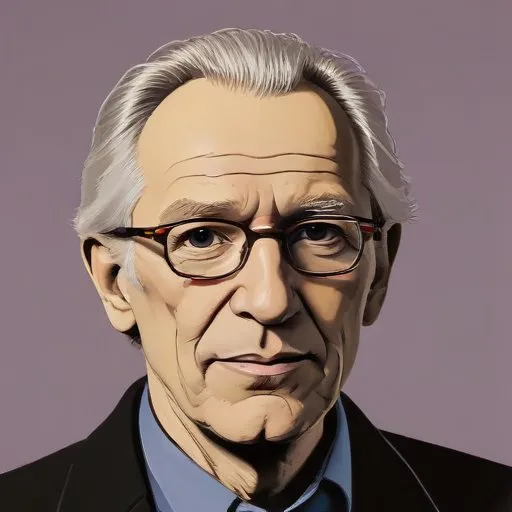
Norm Magnusson

Norm Magnusson

Norm Magnusson was born on March 20th, 1960

Full Name: Norm Magnusson
Occupation: Painter, Sculptor
Nationality: American
Known For: Abstract Art
Style: Abstract Expressionism
Education: Not Applicable
Notable Work: Color Field Paintings
Awards: Not Applicable

A pioneering artist of the 1980s Neo-Expressionist movement, known for vibrant, abstracted paintings and sculptures that explored the human condition. His work often blended figural and abstract elements,

Timeline
1946
Born in Seattle
Norm Magnusson was born on October 20, 1946, in Seattle, Washington. He would grow up to become a painter and sculptor.
1968
Graduated from University of Washington
Magnusson graduated from the University of Washington in 1968, earning a Bachelor of Fine Arts degree in painting.
1973
Moved to New York City
Magnusson moved to New York City in 1973, immersing himself in the citys vibrant art scene.
1980
First Solo Exhibition
Magnusson had his first solo exhibition in 1980, showcasing his unique style and earning critical acclaim.
2011
Retrospective Exhibition
A retrospective exhibition of Magnussons work was held in 2011, celebrating his four decades as a painter and sculptor.
Norm Magnusson

Norm Magnusson Quiz

What art movement was Norm Magnusson a part of?

Score: 0/5
FAQ
What type of art does Norm Magnusson create?
Norm Magnusson is an American painter and sculptor, known for his abstract expressionist works that explore color, texture, and form.
What inspires Norm Magnussons art?
Norm Magnusson cites nature, particularly the landscapes and skylines of the American West, as a major influence on his artistic style and themes.
Has Norm Magnussons work been exhibited?
Yes, Norm Magnussons work has been exhibited in galleries and museums across the United States, including the Museum of Modern Art in New York.
What is Norm Magnussons artistic style?
Norm Magnussons artistic style is characterized by bold, vibrant colors and textured, layered compositions that evoke a sense of depth and energy.
What is Norm Magnussons legacy in American art?
Norm Magnusson is recognized as a prominent figure in American abstract expressionism, contributing to the development of this style and pushing its boundaries through his innovative works.

Related People:

Jackson Pollock

Born in 1912

Pioneering abstract expressionist artist who splattered and dripped paint to create dynamic, emotive works that redefined modern art. Known for chaotic, intricate pieces that evoke raw emotion.

Mark Rothko

Born in 1903

A pioneer of abstract expressionism, creating bold, rectangular color fields that evoke emotions and spark introspection. His works are a testament to the power of art to transcend language and culture.

Barnett Newman

Born in 1905

A pioneer of Abstract Expressionism, creating bold, color-field paintings that evoke emotions and spirituality. His iconic "zip" paintings feature vibrant, vertical stripes that seem to pulse with energy.

Clyfford Still

Born in 1904

A pioneering abstract expressionist, creating large-scale, gestural paintings that explored the human experience and the American West. Known for his bold, expressive brushstrokes and vibrant color palette.

Ad Reinhardt

Born in 1913

A prominent abstract artist and educator, known for his bold, geometric paintings that explored the spiritual and emotional potential of art. He also wrote extensively on art theory and criticism.

Robert Rauschenberg

Born in 1925

A pioneer of pop art, combining found objects and images to create innovative, thought-provoking works that blurred the lines between art and everyday life.

Jasper Johns

96 Years Old

A pioneer of pop art, creating enigmatic works that explore the relationship between perception, reality, and meaning, often using common images like flags and targets.

Cy Twombly

98 Years Old

A renowned artist who blended painting and sculpture to create unique, expressive works that explored ancient mythology and modern abstraction. His distinctive style often featured scribbles, marks, and colorful splatters.